



Master the Grip: Tyres
Your tyres are the only point of contact with slick, unpredictable roads. Worn tyres are a primary cause of skids and hydroplaning. Before any monsoon journey, inspect your tyres for adequate tread depth; anything less than 3mm is risky for wet conditions.
An easy way to check is to insert a one-rupee coin into the grooves. If you can see the entire Ashoka pillar, it's time for a replacement. Also, check the tyre pressure weekly, as it can fluctuate with temperature changes, affecting your grip and increasing the risk of hydroplaning. Don't forget the spare tyre—ensure it's properly inflated and ready for an emergency.
Braking with Confidence
Brakes work much harder in wet weather, and their efficiency can be compromised. Water on brake pads can reduce their effectiveness right when you need them most. Before the season starts, have your brake pads, discs, and fluid checked by a professional. If the brake pedal feels spongy or the car pulls to one side when braking on a wet patch, get it inspected immediately. Remember, braking distances can nearly double on wet roads, so maintaining your braking system is a non-negotiable safety step.
Ensure Crystal-Clear Vision
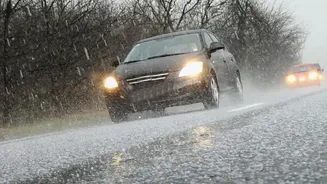
Heavy rain drastically reduces visibility. Your first line of defence is a functional set of wiper blades. Summer heat often hardens and cracks the rubber, causing streaks and squeaks. If your wipers aren't clearing the glass perfectly, replace them. Top up your windshield washer fluid, using a proper cleaning solution, not just water, to cut through oily road grime. Fogging is another major issue. Make sure your car’s air conditioning and defogger are working correctly to quickly clear condensation from the inside of your windshield and rear glass.
See and Be Seen: Lights
In a downpour, especially during the day, your car's lights are crucial for being seen by other drivers. Before you leave, do a quick walk-around and check all your lights: headlights (both low and high beams), tail lights, brake lights, and indicators. Headlight covers can become foggy or yellow over time, significantly reducing their brightness. Cleaning them or getting them restored can make a massive difference in how well you can see the road ahead. Always use your low beams in the rain, as high beams can reflect off raindrops and worsen visibility for you and oncoming traffic.
Check the Heartbeat: Battery and Wiring
The monsoon puts extra strain on your car's electrical systems, from the increased use of wipers and lights to the risk of moisture-related short circuits. Check that your battery terminals are clean, free of corrosion, and securely fastened. If your battery is over three years old, it's wise to have it tested to ensure it can handle the additional load. Also, inspect for any exposed or frayed wiring that could cause problems if it gets wet. This simple check can prevent you from being stranded with a dead car in the middle of a storm.
Prepare for the Unexpected: Emergency Kit
Even with a well-prepared car, things can go wrong. A well-stocked emergency kit is your backup plan. Essential items for a monsoon kit include a tow rope, jumper cables, and a tyre inflator. Also pack a flashlight with extra batteries, a first-aid kit, a change of clothes, towels, and some non-perishable snacks and water. A portable power bank for your phone is also a modern necessity. Having these items on hand can turn a potential disaster into a manageable inconvenience.