




Our Cities Are Becoming Heat Traps
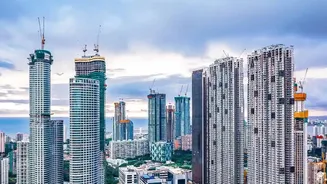
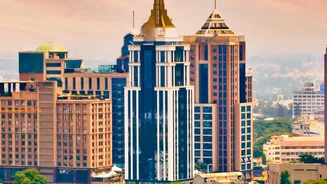
India's Tier 2 cities, such as Pune, Lucknow, and Jaipur, are the new engines of economic growth, witnessing unprecedented expansion. This boom comes with a visible transformation: green spaces and open land are rapidly being replaced by roads, buildings,
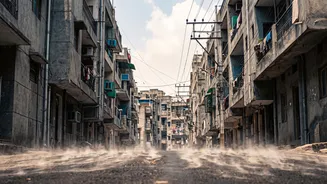
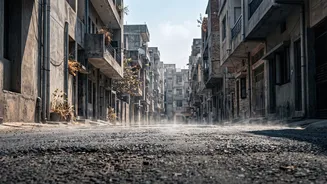
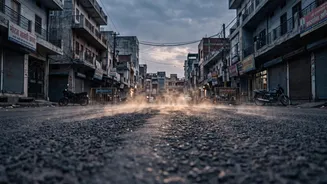
and pavements. This vast expanse of concrete and asphalt is creating a phenomenon known as the 'urban heat island' effect. During the day, these materials absorb and retain a massive amount of the sun's energy—far more than natural landscapes like forests and fields. Some surfaces like asphalt can absorb up to 95% of the sun's energy. This stored heat doesn't just vanish when the sun goes down. Instead, it is slowly released back into the atmosphere throughout the night.
The Science of a Hotter Night
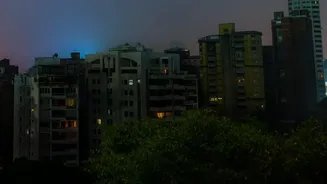
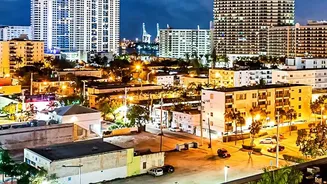
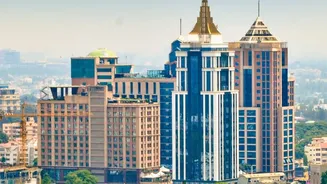
The result is that urban areas can be significantly warmer than their surrounding rural counterparts, with the temperature difference being most pronounced at night. This difference can be as high as 12°C in some cases. The dense geometry of cities, with tall buildings close together, further traps this re-radiated heat, preventing it from escaping and allowing the city to cool down. While a green park offers cooling through shade and evapotranspiration (the process of water evaporating from plants), a concrete jungle does the opposite, acting like a giant storage heater. Studies focusing on Indian cities like Jaipur and Lucknow have shown a direct correlation between the increase in built-up areas and a rise in land surface temperatures and overall heat stress.
From Urban Heat to Sleepless Nights
This sustained overnight heat has a direct and detrimental impact on human health, starting with our sleep. Our bodies are hardwired to cool down at night, a crucial step for initiating and maintaining deep, restorative sleep. Higher ambient temperatures disrupt this natural process. Warmth can prevent the body from shedding heat, triggering a stress response, increasing awakenings, and reducing the time spent in critical deep sleep and REM sleep stages. Research shows that even mild heat exposure can interfere with sleep. A study on Tier-2 Indian cities found that 42% of residents in thermally stressed informal settlements reported sleep disturbances due to night-time heat. This isn't just about feeling groggy; chronic poor sleep is linked to a higher risk of cardiovascular disease, mental health issues, and a weakened immune system.
The Vulnerability of Tier 2 Cities
While the urban heat island effect impacts all cities, residents of rapidly developing Tier 2 cities are particularly vulnerable. Many households in these areas may lack access to air conditioning, and even those with coolers face discomfort and higher energy bills. One study found that in some low-income urban areas, only 15% of residents owned an electric fan and none had air conditioners. This makes the population heavily reliant on the ambient environment for cooling, an environment that is progressively getting warmer. As these cities continue to grow, they risk repeating the mistakes of larger Tier 1 metros, locking themselves into a future of escalating heat risk and public health challenges unless sustainable planning is prioritized.
Building a Cooler Future
The good news is that this trajectory is not set in stone. Urban planners and policymakers have a range of tools to combat the heat island effect. Strategies include promoting 'green infrastructure' like urban parks, green roofs, and planting more trees along streets, which can lower local temperatures by several degrees through shade and evapotranspiration. Another key solution is the use of 'cool materials' for construction, such as permeable concrete that allows water to evaporate and cool the surface, or reflective materials that absorb less heat. The India Cooling Action Plan and various state-level initiatives are beginning to incorporate measures like cool roofs and the restoration of urban water bodies. By integrating these solutions into urban planning now, India's growing cities can build resilience, protect public health, and ensure a more liveable, sustainable future for all residents.