
The Monsoon Paradox: High Humidity, Less Water
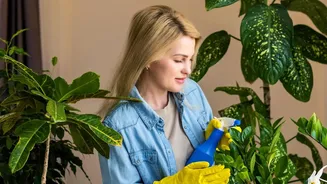
The single biggest mistake plant owners make during the monsoon is sticking to their summer watering schedule. With high humidity in the air, the soil in your pots dries out much more slowly. This means your plants are transpiring less and absorbing less water from
the soil. Continuing to water frequently can lead to waterlogged soil, which suffocates the roots and prevents them from absorbing oxygen. This condition is the primary cause of root rot, a fungal disease that can quickly kill an otherwise healthy plant. During the Indian monsoon, many common indoor plants may only need watering once every 10 to 15 days.
Ditch the Schedule, Trust the Soil
The most reliable way to know if your plant needs water is to check the soil manually. Forget watering every Sunday; instead, get used to the 'finger test'. Insert your finger about one to two inches into the topsoil. If the soil feels moist, wait a few more days before checking again. If it feels dry to the touch, it's time to water. For a less hands-on approach, you can use a wooden chopstick or skewer; insert it deep into the pot, and if it comes out clean and dry, the plant needs water. If it comes out with damp soil clinging to it, hold off. This simple check is crucial because the symptoms of overwatering—like yellow, wilting leaves—can misleadingly look like the plant is thirsty.
Recognise the Signs of Overwatering
Your plant will give you clear signals when it's getting too much water. Look for leaves that are turning yellow or brown but still feel soft and limp, not crispy. This is a classic sign of root distress. Another major clue is the soil itself. If you notice a musty or rotten smell coming from the pot, it's a strong indicator that root rot has begun. You might also see small, dark fungus gnats flying around your plants, as these pests thrive in consistently damp soil. If you spot these signs, it's critical to let the soil dry out completely and adjust your watering habits immediately.
Improve Drainage and Air Circulation
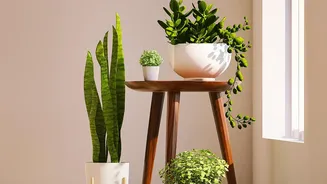
Good drainage is your best defence against waterlogged soil. Ensure every pot has drainage holes at the bottom. If you use decorative outer pots without holes, make sure to empty any excess water from the saucer or cachepot after watering. Elevating your pots on small stands can also improve drainage and airflow around the base. Good ventilation is equally important during the humid monsoon season to discourage fungal diseases. If possible, place your plants in a room with good air circulation or near a window you can open periodically. Grouping plants together can help increase local humidity, but in the monsoon, it's better to give them some space.
Adjust for Light and Plant Type
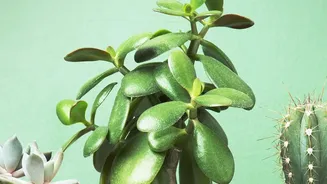
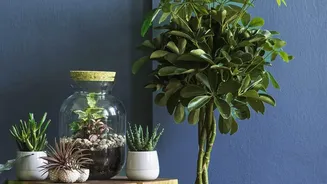
Cloudy monsoon days mean less sunlight, which slows down photosynthesis and further reduces your plant's water needs. To compensate, try moving your plants closer to windows where they can receive as much bright, indirect light as possible. Remember that not all plants have the same needs. Succulents and cacti, for example, require very infrequent watering and are especially prone to rot in humid conditions; their soil should be allowed to dry out completely. Tropical foliage plants like peace lilies and pothos enjoy the humidity but still despise sitting in soggy soil. Always research your specific plant's preference to fine-tune its care.
Hold Back on Fertiliser
Plants generally experience slower growth during the low-light, high-humidity days of the monsoon. Because they aren't actively growing, they don't require as many nutrients. Fertilising during this period can do more harm than good, as the unused salts can build up in the moist soil and burn the roots. It's best to reduce or completely stop fertilising your indoor plants during the rainy season. You can resume your regular feeding schedule once the skies clear and you notice signs of new growth.