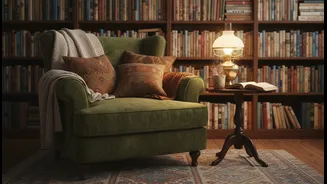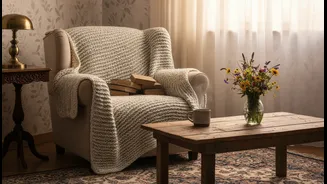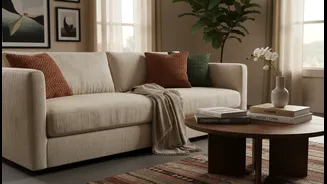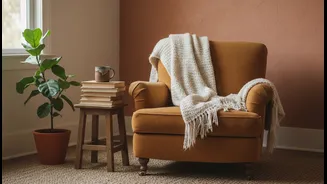




The End of the 'Picture-Perfect' Era
Remember when scrolling through Instagram felt like a tour through a pristine furniture catalogue? Every home was a minimalist marvel of neutral tones, clear surfaces, and strategically placed designer objects. This era of curated perfection set an impossibly
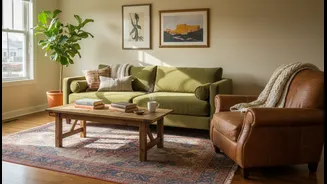
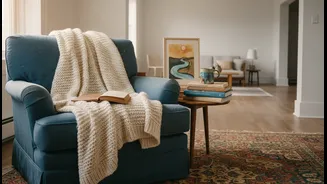
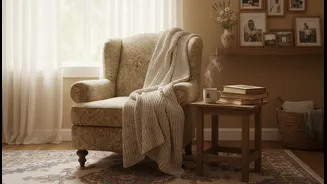
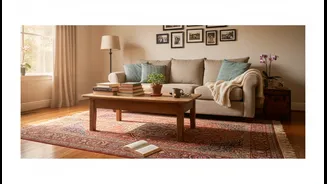
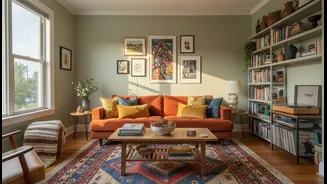
high standard, often making us feel like our own lived-in spaces, with their daily clutter and mismatched items, were somehow failing. But the tide is turning. A growing movement is pushing back against the pressure to present a flawless home. Instead, people are embracing and sharing spaces that look and feel real—complete with stacks of books, crowded gallery walls, and the joyful chaos of everyday life. This isn't just about being messy; it's about valuing authenticity over aspiration and finding beauty in a home that tells a story.
The Psychology of Relatability
So, what’s behind this shift? The simple answer is psychology. Viewing images of unattainable perfection can be exhausting and even detrimental to our mental health, creating a constant sense of inadequacy. When someone shares a photo of their less-than-perfect living room, it feels relatable and comforting. It sends a message that it’s okay not to have it all together. This sense of authenticity builds a stronger, more genuine connection. Seeing a bit of clutter or a quirky, personal item makes a space feel inhabited and warm, unlike a sterile showhome which can feel more like a museum. Experts suggest we are craving a break from the constant performance of perfection, and the home has become the final frontier for this rebellion. Sharing an image of a 'real' home is an act of vulnerability that resonates deeply, making both the space and its owner more approachable.
From Minimalism to ‘Cluttercore’
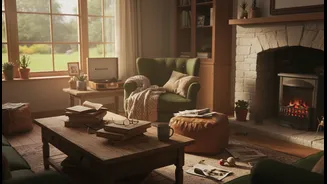
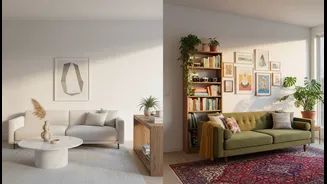
This embrace of the imperfect has given rise to design trends like "cluttercore" and maximalism, which stand in direct opposition to the minimalist aesthetic that dominated the 2010s. Cluttercore isn't about living in filth; it's the conscious and artful arrangement of a large number of objects that you love and that hold personal meaning. Think of it as organized chaos. It’s about displaying collections, layering textiles, and surrounding yourself with items that tell the story of your life, travels, and passions. While minimalism champions the mantra of "less is more," cluttercore argues that "more is more"—as long as that "more" genuinely sparks joy and reflects your personality. This approach transforms a house from a simple structure into a deeply personal sanctuary, where every object has a purpose and a place, even if that place is part of a lovingly curated pile.
Finding Joy in the Genuine
Ultimately, the trend towards sharing imperfect homes is about redefining what makes a home beautiful. For years, the focus was on resale value and appealing to a generic ideal, often stripping personality out of spaces. The new mindset prioritizes personal joy and comfort. A home doesn't need to be a static, finished project to be worthy of being shared. It's an evolving space that grows and changes with its inhabitants. The scratches on a table, the unpainted pantry door, and the magnets on the fridge are not signs of failure; they are evidence of a life being lived. This shift encourages us to see our homes not as something to be perfected for an audience, but as spaces that should support and nurture us. As one therapist notes, the goal is to stop taking care of your home and start creating a home that takes care of you.