






The Morning Session: Building Stamina and Focus
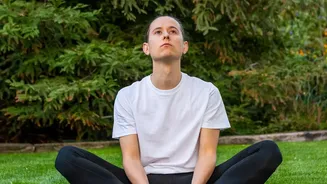
Practicing yoga in the morning aligns with your body's natural circadian rhythms. Cortisol, a hormone that promotes wakefulness, naturally peaks in the early hours, and a morning yoga session can work in harmony with this biological process. Dynamic sequences
like Sun Salutations (Surya Namaskar) or a Vinyasa flow can stimulate circulation, boost your metabolism, and awaken the nervous system, providing a natural energy lift that can last throughout the day. Studies suggest that morning exercise improves mood and cognitive function, setting a positive and focused tone before daily distractions take hold. Many people also find that a morning practice is easier to stick with, creating a consistent routine that builds both physical and mental resilience. While your muscles might feel tighter upon waking, a gentle warm-up followed by mindful movement can gradually increase flexibility and prepare your body for the day's activities, potentially preventing aches and injuries.
The Midday Reset: A Pause to Recalibrate
The afternoon often brings a slump in energy and focus. Instead of reaching for another cup of coffee, a short yoga session can serve as a powerful midday reset. You don't need a full hour; even 20 to 30 minutes can make a difference. This is an ideal time for poses that counteract the effects of sitting at a desk, such as gentle neck rolls, shoulder stretches, and hip openers. A midday practice can boost circulation, alleviate physical stiffness, and clear mental fog, enhancing productivity for the remainder of the workday. It’s an opportunity to step away from your tasks, regulate your breathing, and shift your nervous system out of a stressed or sluggish state. This mindful break helps release accumulated tension and re-centers your focus, allowing you to return to your responsibilities with renewed clarity.
The Evening Wind-Down: Melting Away Stress
As the day concludes, the focus of your yoga practice can shift from building energy to promoting relaxation and recovery. An evening session is an excellent way to create a buffer between a busy day and a restful night. The goal here is to activate the parasympathetic nervous system, also known as the "rest and digest" system. Gentle, restorative styles like Yin yoga or slow Hatha, which involve longer holds and a focus on deep breathing, are particularly effective. These practices help lower cortisol levels, reduce muscle tension, calm the heart rate, and quiet a racing mind. Studies have shown that evening yoga can improve sleep quality, helping you fall asleep faster and more soundly. Poses like Child's Pose (Balasana) and Legs-Up-the-Wall (Viparita Karani) are especially beneficial for releasing the day's stress and preparing your body for deep rest.
Finding Your Personal Yoga Rhythm
While morning and evening sessions offer distinct benefits, there is no single "best" time to practice yoga that fits everyone. The most effective time is ultimately the one you can consistently commit to. Your personal schedule, energy levels, and specific wellness goals should guide your decision. Some people are natural early risers who thrive on a morning energy boost, while others find it more realistic to unwind with an evening practice. The key is to listen to your body. Pay attention to how you feel after practicing at different times and choose the window that best supports your well-being. According to yogic tradition, practicing during transition times like sunrise and sunset can be particularly powerful, as the body's energies are in a state of flux. However, the transformative power of yoga comes from regularity, so whether you choose sunrise, midday, or sunset, showing up for yourself on the mat is what truly matters.