






The Kitchen Hack in Your Hands
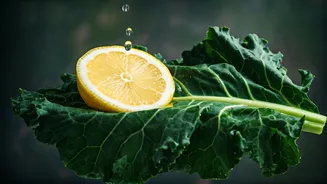
The secret to keeping those greens looking as good as they taste is remarkably simple. All it takes is a fresh squeeze of lemon juice, added at just the right moment. This isn't just an old wives' tale; it's a genuine kitchen trick backed by food science
that can elevate your everyday sabzis and curries. Whether you're making a quick stir-fry or a rich palak paneer, this technique will help you serve dishes that are as visually appealing as they are delicious, ensuring your greens don't just taste fresh but look the part, too.
Why Cooked Greens Lose Their Lustre
To understand why the lemon trick works, we first need to know why greens turn dull. The vibrant green in vegetables like palak, methi, and kale comes from a pigment called chlorophyll. When you apply heat during cooking, the plant's cell walls begin to break down. [2, 25] This process releases natural acids within the vegetables themselves. These acids, combined with the heat, alter the chlorophyll molecule by replacing its central magnesium atom with hydrogen atoms. [4, 7, 16] This changes chlorophyll into a new compound called pheophytin, which has that familiar and disappointing drab, olive-green hue. [2, 4] This colour change can start happening just minutes into the cooking process. [2]
The Science of the Squeeze
This is where the magic of lemon juice comes in. Lemon juice is an acid, and its role here is all about timing and balance. [5] While cooking greens in acid for a long time will actually accelerate the colour loss, adding a splash right at the end of cooking does the opposite. [20, 15] This final hit of acidity brightens the overall flavour, cutting through any richness and making the dish taste more alive. [9, 12] Visually, while it doesn't reverse the chemical change, the fresh, bright flavour and the glossy sheen it can impart make the remaining green pigments pop, giving the dish an instantly more vibrant and appealing look just before it hits the table. Furthermore, adding Vitamin C (abundant in lemon) can help increase the absorption of iron from leafy greens. [21]
Perfect Timing Is Everything
The key to this technique is not *what* you add, but *when* you add it. Do not add lemon juice at the beginning or in the middle of the cooking process for greens. Cooking vegetables in an acidic environment from the start can prevent them from softening properly and will make them turn greyish-green faster. [5, 20] The correct method is to cook your leafy vegetables as you normally would. Once they are perfectly tender and you have turned off the heat, give them a final, light squeeze of lemon juice. Toss the greens gently to coat them evenly, and then serve immediately. [15] This ensures the acid works its brightening magic on the flavour and appearance without having enough time to negatively affect the colour and texture.
A Trick for All Your Greens
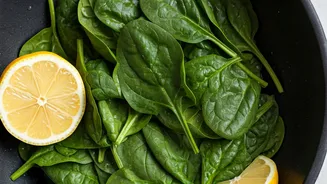
This method is fantastic for a wide range of leafy vegetables common in Indian kitchens. It works wonders on spinach (palak), fenugreek leaves (methi), mustard greens (sarson), amaranth leaves (chaulai), and kale. [18] The bright, acidic note of lemon also beautifully complements the earthy or slightly bitter flavours of many of these greens, balancing the overall dish. [13] For heartier preparations like sarson ka saag or palak paneer, a squeeze of lemon just before serving can lift the entire dish, making both the colour and the flavour more pronounced and satisfying for a restaurant-quality finish at home.
Beyond Just Lemon Juice
While lemon is the classic choice, any mild acid can achieve a similar effect on flavour. If you're out of lemons, a small splash of white wine vinegar or apple cider vinegar can also work to brighten the taste. [19] For many Indian dishes, a sprinkle of amchoor (dry mango powder) is an excellent alternative. [22] It provides that characteristic tartness without adding extra liquid, making it perfect for dry vegetable preparations or stuffings. The principle remains the same: the acid provides a finishing touch that enhances flavour and creates a more balanced, vibrant dish. [22]