

Choosing Your First Trail
The first step is picking a hike that matches your fitness level. It is always best to underestimate your ability for your first few outings. Websites and apps like AllTrails provide details on distance, elevation gain, and recent hiker reviews. Parks
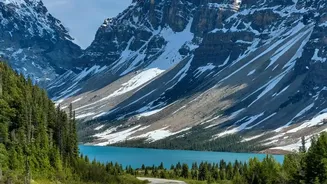
Canada and Alberta Parks websites are also vital resources for official trail conditions and any potential closures. For a classic beginner experience, consider trails like the Johnston Canyon walk to the lower falls, the loop around Johnson Lake in Banff, or the paved path to the Peyto Lake viewpoint. These popular routes are well-maintained and offer spectacular scenery without overly strenuous climbs.
Gearing Up for Mountain Weather
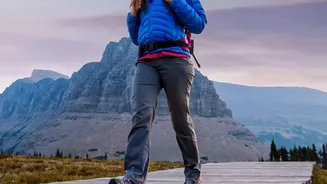
In the Rockies, weather can change in an instant, so dressing in layers is crucial. Avoid cotton, which holds moisture, and opt for a moisture-wicking base layer (like merino wool or a synthetic fabric), a warm mid-layer such as a fleece or a light insulated jacket, and a waterproof and windproof outer shell jacket. You can always add or remove layers as conditions change. Sturdy footwear with good grip is non-negotiable; even on easy trails, you will want more support than everyday sneakers provide. Also, pack a warm hat and gloves, even in summer, as they take up little space and can make a huge difference if the wind picks up or the temperature drops.
Wildlife Safety Is Paramount
The Canadian Rockies are home to grizzly and black bears. While encounters are rare, preparation is key. The most important safety tool is your voice; making noise by talking loudly, singing, or calling out 'Hey, bear!' alerts animals to your presence and helps avoid surprise encounters, especially near streams or in dense vegetation. Always carry bear spray, ensure it is easily accessible (not inside your backpack), and know how to use it. Hiking in a group of four or more is recommended, as larger groups are much less likely to have a serious bear encounter. Never feed or approach any wildlife. Dogs can provoke wildlife, so if you bring one, it must be on a leash at all times.
What to Pack for a Day Hike
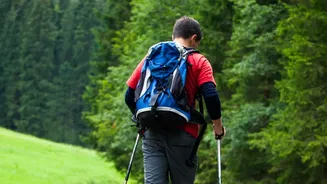
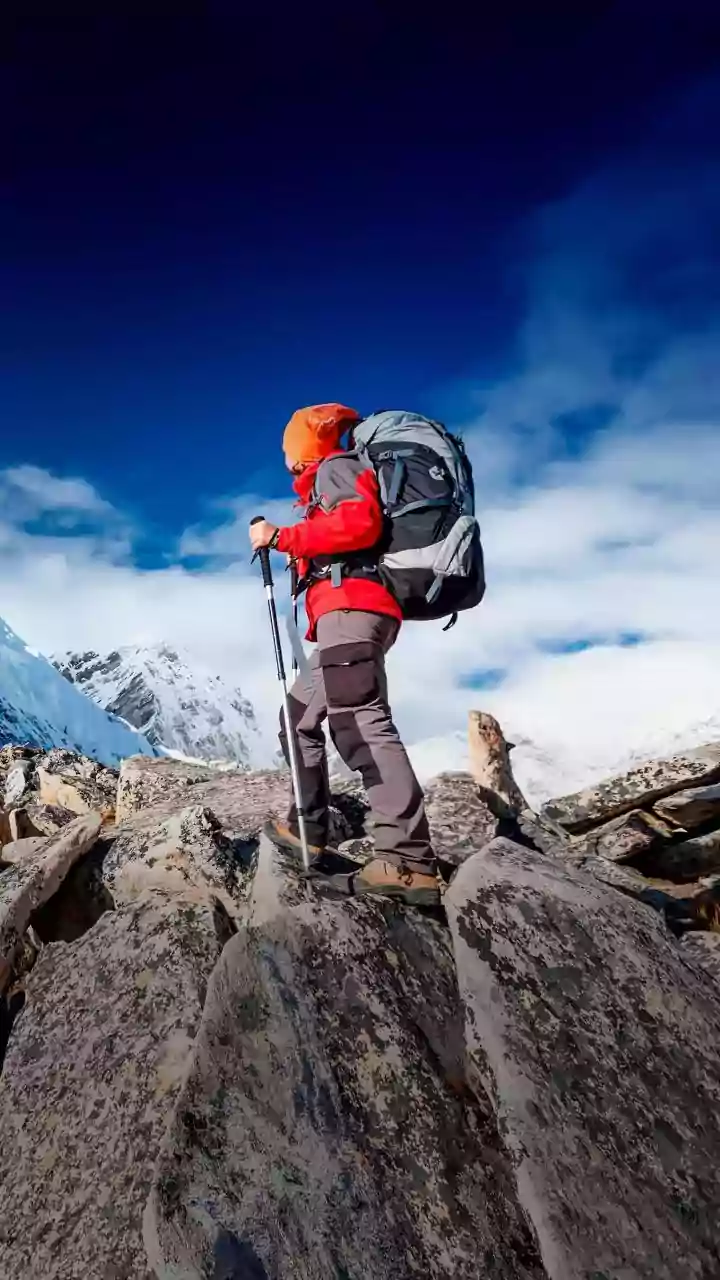
Beyond your layers and bear spray, a few other items are essential. Carry more water than you think you will need and pack high-energy snacks and extra food in case of unexpected delays. A small first-aid kit is a must-have. While phone apps are useful, they can fail, so carrying a paper map is a wise backup. Hiking poles can help save your knees on descents and provide stability. Finally, because mountain days can be long and you might misjudge your timing, a headlamp or flashlight is a critical safety item to have in your pack, even if you plan to be back long before dark.
Park Passes and Trail Etiquette
To hike in national parks like Banff and Jasper, you will need a Parks Canada Discovery Pass. This can be purchased online in advance or at the park gates. A pass for your vehicle covers up to seven people and is valid for entry into over 80 national parks and historic sites across Canada. When on the trail, follow the principles of 'Leave No Trace'. This means staying on designated paths, even if they are muddy, packing out everything you pack in (including all food waste and garbage), and leaving natural objects like rocks and flowers as you found them. Be considerate of other hikers; yield to those hiking uphill and keep noise levels to a minimum so everyone can enjoy the sounds of nature.