




The Myth of Visual Wellness
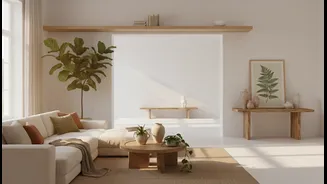
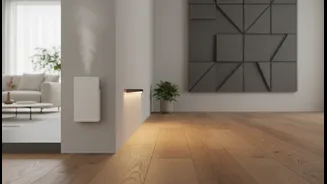
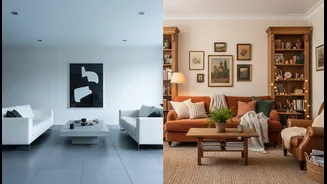
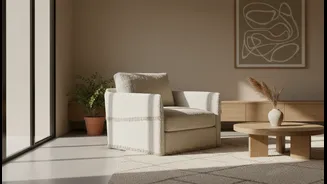
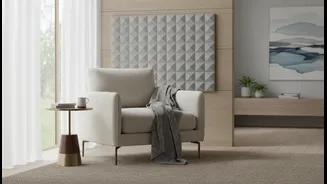
In recent years, a specific aesthetic has come to dominate our idea of a “healthy” home: stark white walls, uncluttered surfaces, and sleek, minimalist furniture. This look promises a calm, controlled, and efficient life. The problem is that this style,
while visually appealing, can sometimes feel more like a showroom than a sanctuary. When a space is too curated, it can create a subtle pressure to maintain perfection, leading to a feeling of being on-display rather than at-ease. Homes that prioritize form over function can end up feeling cold, impersonal, and even unwelcoming, leaving little room for the beautiful mess of everyday life.
Comfort Is a Full-Body Experience
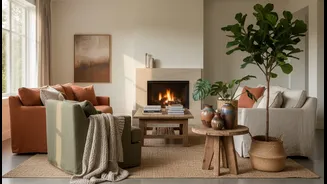
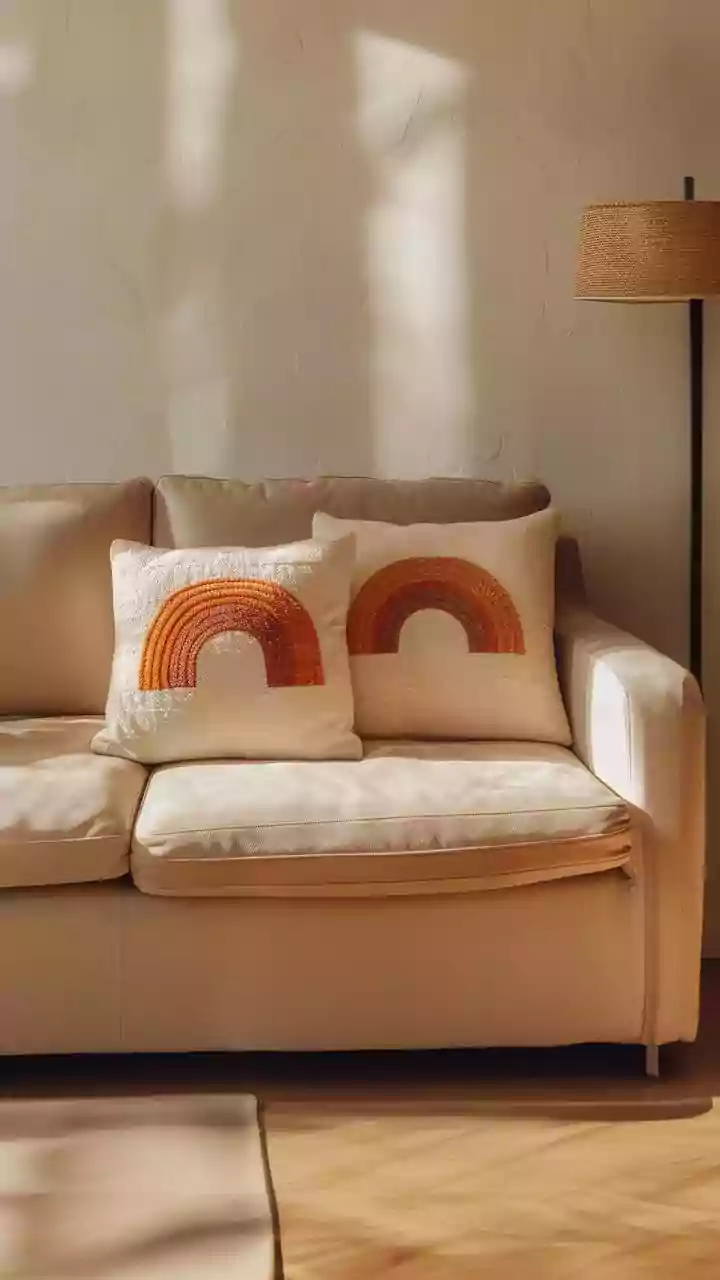
True comfort is not just something we see; it's something we feel with all our senses. This is where sensory design comes in, focusing on creating spaces that engage our sense of touch, sound, and smell to promote well-being. The Danish concept of 'hygge' perfectly captures this idea, emphasising cosiness, contentment, and the enjoyment of simple pleasures. It’s about soft lighting from lamps instead of harsh overheads, the feel of a plush rug underfoot, and the comforting scent of a favourite candle. Sound also plays a crucial role; a quiet home free from outside noise or filled with soft background music can significantly reduce stress and promote relaxation.
The Beauty of Meaningful 'Clutter'
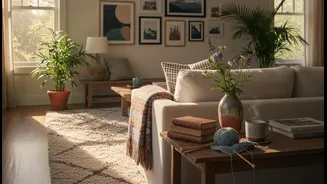
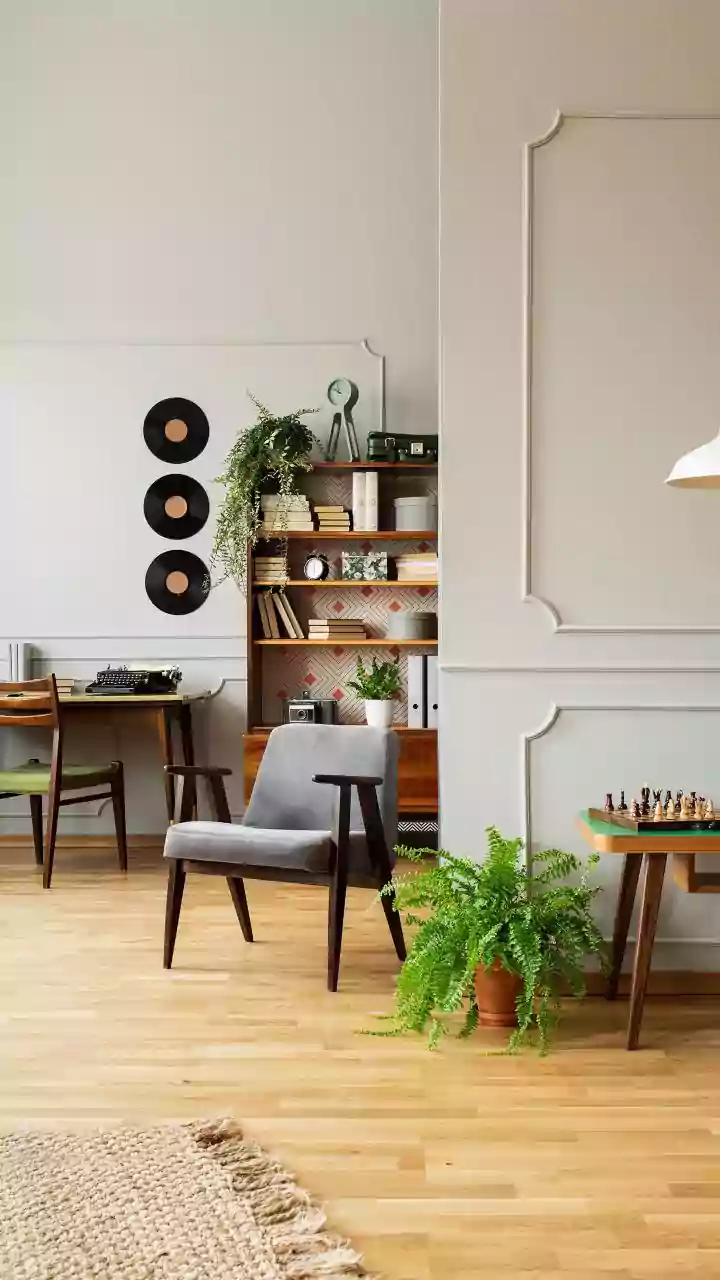
While decluttering can create a sense of calm, there is a difference between chaotic mess and a curated collection of personal belongings. The Japanese philosophy of 'wabi-sabi' finds beauty in imperfection, age, and authenticity. A home that embraces this principle feels lived-in and real. Those souvenirs from your travels, the stack of books by your bed, and the photos of loved ones are not clutter; they are layers of your story that make a house your home. These objects provide a sense of belonging and identity, reinforcing psychological safety. An overly minimalist space can strip away this personality, leaving a void where memories should be.
Bringing Nature Indoors for Well-being
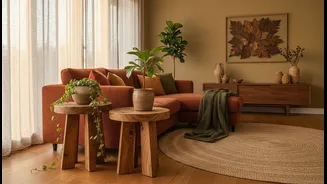
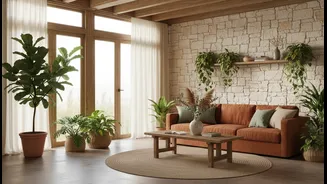
One of the most effective ways to make a home feel both healthy and comfortable is through biophilic design—the practice of connecting people with nature indoors. This goes beyond simply adding a few houseplants. It includes maximising natural light, using natural materials like wood and stone, and incorporating colours found in nature, such as greens and blues. Studies have shown that exposure to these natural elements can reduce stress, lower heart rate, and improve overall mood and cognitive function. A visual connection with nature, even through a window, fosters a sense of calm and restoration.
Finding Your Personal Comfort Zone
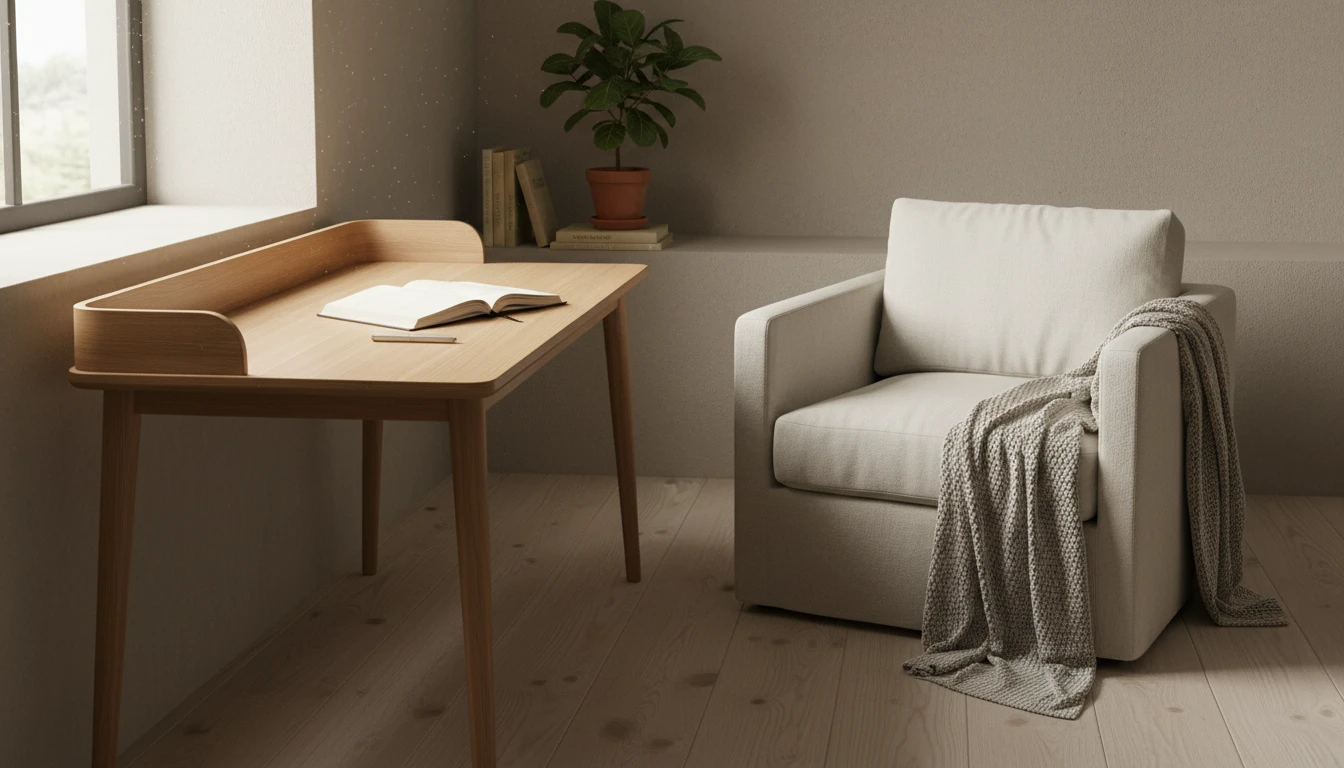
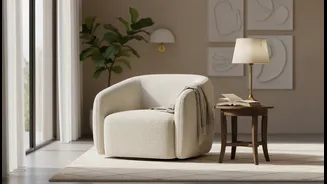
Creating a comfortable home is not about following a trend, but about discovering what nurtures you. Start by engaging your senses. What smells make you feel relaxed? What textures feel good to the touch? Introduce soft textiles like wool and cotton throws, and layer different sources of warm lighting. Designate a 'cosy corner' or 'hyggekrog'—a dedicated spot for relaxation with a comfy chair and your favourite things. Most importantly, give yourself permission to let your home be a reflection of your life, imperfections and all. A home should be a place to live in, not just to look at.