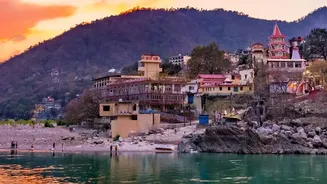








The End of the Off-Season Myth
For years, the monsoon was considered a travel off-season in India, a quiet period when hotels offered deep discounts and popular spots were blissfully empty. That's no longer the case. The monsoon is now a peak travel season in its own right. Destinations
across Kerala, Goa, Uttarakhand, and Himachal Pradesh are reporting a sharp rise in bookings. In fact, hotel bookings have surged nationwide, with some platforms seeing a 54% year-on-year increase for the season. This structural shift means that the old strategy of waiting for last-minute deals is failing. July bookings are pacing ahead of previous years, and properties in sought-after locations are filling up fast.
Why Spontaneity Now Costs a Premium
The primary reason to firm up your plans is financial. The travel industry now operates heavily on dynamic pricing, especially for flights and hotels. As demand for a particular weekend or route goes up, so do the prices. Waiting until the week of your trip can mean paying significantly more for the same flight or room you could have booked for less a few weeks prior. This summer already saw airfares rise by 30-40% due to various factors, a trend that continues to affect short-haul trips. While some travel companies are offering monsoon sales, these often come with specific travel windows and are designed to drive bookings early, not cater to last-minute travelers.
Hill Stations and Hotspots are Overflowing
If your heart is set on a popular monsoon destination, you are not alone. Hill stations in both the North and South are seeing unprecedented interest. Destinations like Rishikesh and Mussoorie have seen search interest grow by over 160% and 200% respectively. In the south, Wayanad has recorded a booking surge of over 160%, while Ooty, Kodaikanal, and Munnar also remain perennial favourites with consistently high demand. Even Goa, once considered a quiet monsoon retreat, saw hotel bookings grow over 110% year-on-year. This intense competition for limited rooms, especially in boutique properties and resorts with the best views, means that walk-ins or late bookings are becoming nearly impossible.
A Smart Booking Strategy for 2026
So, how should you adapt? The key is to shift your mindset from 'last-minute' to 'planned spontaneity.' Instead of booking on a Wednesday for a Friday departure, aim for a booking window of two to four weeks in advance. This is the sweet spot where you can still find availability and reasonable prices without committing months ahead. Set up price alerts for flights and hotels in your desired locations. Be flexible with your destination; if Lonavala is packed, consider a less-crowded spot in the Western Ghats. Exploring emerging destinations can also be rewarding; the Northeast, for example, is seeing a significant rise in monsoon travel, with states like Nagaland and Arunachal Pradesh showing booking growth of over 90%. Being flexible by a day or two—traveling on a Thursday instead of Friday, for instance—can also yield significant savings.