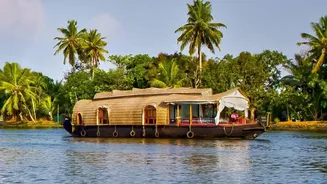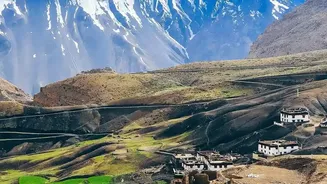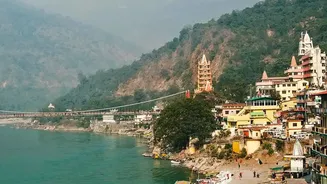





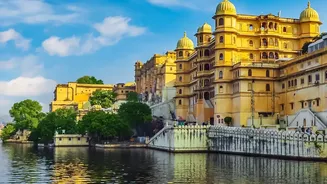
The feeling is familiar for many city dwellers: a creeping burnout and the urge to escape, even just for a weekend. Enter the 'micro-vacation', a short, spontaneous getaway that's changing how urban Indians travel and relax.
What Exactly Is a Micro-Vacation?
Forget the long annual leave
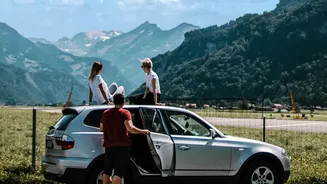
and meticulous planning. A micro-vacation, or 'micro-cation', is a short trip, typically lasting two to four days, designed for a quick recharge. Unlike a staycation, which happens within your own city, a micro-vacation involves travelling to a nearby destination. The goal isn't to see everything, but to disconnect and reset. This trend of 'holiday snacking' is driven by the realisation that multiple short breaks can be more beneficial for mental well-being than one single, long holiday each year. For many, especially Gen Z and millennials, taking three or four short trips has become more appealing than one extended vacation.
The Urban Burnout Catalyst
The demanding nature of modern professional life in metros like Mumbai, Delhi, and Bengaluru is a primary driver of this trend. With work pressures mounting, professionals find it more practical to take quick escapes over long weekends rather than waiting for an annual holiday that may be months away. The rise of hybrid and remote work models has further fuelled this, offering the flexibility to extend a weekend by working from a scenic location. Affordability is another significant factor; these shorter trips are considerably lighter on the pocket, making travel more accessible and frequent for young professionals and families alike.
Why Small Towns Are Winning
Interestingly, this trend isn't just sending travellers to mainstream tourist hubs. In fact, a major part of the appeal is exploring off-beat, lesser-known towns. Travellers are increasingly seeking authentic experiences away from the crowds, noise, and commercialisation of popular destinations. These small towns, often just a few hours' drive from a major city, offer peace, a glimpse into local culture, and a genuine sense of discovery. The desire for sustainable and responsible travel also plays a role, with a growing number of travellers wanting to support local economies directly. This has created a perfect opportunity for destinations that were previously overlooked.
From Homestays to Boutique Retreats
The biggest beneficiaries of this shift are local hospitality outlets, particularly homestays. India saw a massive growth in homestays post-pandemic, a sector now estimated to be worth over ₹4,700 crore and growing at 11% annually. Unlike impersonal hotels, homestays offer a personalised, culturally immersive experience that modern travellers crave. They provide a window into the local way of life and are often more budget-friendly. Alongside family-run setups, professionally managed villas and boutique properties are also flourishing, catering to travellers seeking unique, comfortable, and experience-rich stays. Platforms like Airbnb, SaffronStays, and OYO Homes have been instrumental in this growth, connecting travellers to a vast network of properties in both established and emerging locations.
A New Economic Lifeline
For these offbeat towns, the micro vacation trend is more than just a travel fad it is an economic lifeline It creates new income sources for local populations and boosts ancillary businesses like cafes guide services and local craft sellers This decentralised tourism model helps distribute tourist revenue more evenly reducing the environmental and infrastructural strain on overwrought major destinations By attracting visitors who value authenticity and community connection these towns can develop a sustainable tourism model that preserves their unique character while fostering economic growth turning spare rooms and local knowledge into viable enterprises.