
The Golden Rule: Delicate Items First
Whether you have a CSA subscription or just finished a big grocery run, the key to managing your produce is to triage. Not all vegetables have the same shelf life. The foundational principle is simple: eat the most perishable items first. Leafy greens,
soft herbs, and vegetables with high water content are the most likely to wilt, mold, or lose their vibrant flavor quickly. By front-loading your meal plan with these delicate items, you give yourself breathing room to use the hardier vegetables later in the week. This strategy not only prevents the guilt of discovering science experiments in your crisper drawer but also ensures you're eating everything at its peak freshness.
The Critical List: Use These Within Days
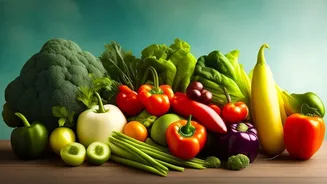
This category is your top priority. These vegetables have the shortest lifespan and should be consumed within one to three days for the best quality. Topping this list are delicate leafy greens like spinach, arugula, and salad mixes. Soft herbs such as basil, cilantro, and parsley also fall into this group; they wilt quickly and lose their potent aroma. Other vegetables to prioritize include mushrooms, which can become slimy, and ripe berries, which are prone to molding. Asparagus, green beans, and corn on the cob also taste best when fresh and should be used soon after purchasing. For greens and herbs, wrapping them in a dry paper towel before placing them in a bag can help absorb excess moisture and extend their life by a day or two.
The Second Tier: Good for a Few Days
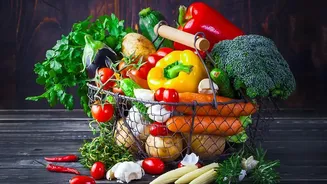
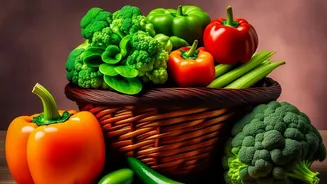
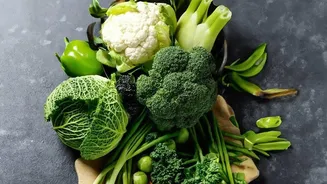
Once you've worked through the most fragile items, turn your attention to the semi-delicate group. These vegetables can typically last for about three to seven days in the refrigerator if stored correctly. This group includes common staples like broccoli, cauliflower, bell peppers, and cucumbers. Summer squashes such as zucchini and yellow squash also fit here. While they are more forgiving than leafy greens, their quality will start to decline after a few days. For instance, broccoli can go limp and peppers can lose their crispness. Keep these items in your refrigerator's crisper drawer, ideally in a breathable bag, to maintain their freshness until you're ready to cook them.
The Storage All-Stars: Your Weekly Foundation
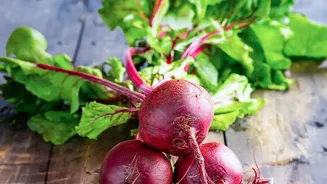
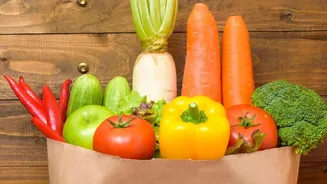
These are the hardy vegetables that act as the reliable backbone of your produce supply. When stored in a cool, dark, and dry place (like a pantry or cellar), they can last for weeks, sometimes even months. This category is dominated by root vegetables like potatoes, sweet potatoes, carrots, and beets. Onions and garlic are also long-lasting champions. Winter squashes, such as butternut and acorn squash, are similarly durable. Because these vegetables are so stable, you can plan your meals around them with confidence, knowing they'll be ready and waiting for you long after the delicate greens are gone.
Smart Storage and the Ethylene Factor
Proper storage is about more than just refrigeration; it's also about chemistry. Many fruits and some vegetables release ethylene gas as they ripen, which can cause other nearby produce to spoil faster. Apples, bananas, tomatoes, and avocados are high ethylene producers. Keep these items separate from ethylene-sensitive vegetables like broccoli, carrots, cucumbers, and leafy greens to prevent premature wilting and spoilage. For example, storing apples and lettuce together is a recipe for sad, brown-edged greens. Many refrigerators have separate crisper drawers, some with humidity controls, which can be a great tool. Use one drawer for ethylene producers and the other for ethylene-sensitive items to extend the life of everything.