






Why Wind Is a Problem
A gentle breeze can be beneficial, strengthening stems and helping with air circulation. Strong or persistent winds, however, are a major source of stress for plants. For those with large, delicate leaves, the primary damage is physical. Leaves can become
shredded and torn, a condition often called 'tattering'. Beyond the visible damage, wind accelerates moisture loss from the leaves through a process called transpiration. When a plant loses water faster than its roots can absorb it, its leaves can dry out, turn brown at the edges, and eventually die back. This 'windburn' puts the plant under significant stress, forcing it to expend energy on survival rather than growth. In severe cases, strong gusts can even bend or snap stems and branches.
Identifying Vulnerable Plants
Not all plants are equally susceptible to wind. The most vulnerable are those with a large leaf surface area combined with soft, flexible stems. Think of plants popular in Indian gardens like banana trees, canna lilies, and various species of Colocasia (arbi) and Alocasia (elephant ear). Their impressive foliage acts like a kite in the wind. Other susceptible plants include castor bean plants, certain varieties of hibiscus with large leaves, and tall, un-staked sunflowers. Young and newly transplanted specimens are also at higher risk, as their root systems are not yet fully established to anchor them firmly in the ground and draw up sufficient water. Conversely, plants with small, waxy, or needle-like leaves are naturally more wind-tolerant.
Reading the Signs of Wind Stress
Before a big storm, it's wise to be proactive. However, your plants will also show you when they are already suffering from wind stress. The most obvious sign is physical damage: ripped, shredded, or tattered leaf edges are a clear giveaway. Look for browning or dried-out margins on the leaves, which is a classic symptom of windburn. The plant itself might be leaning away from the prevailing wind direction, or its growth might appear stunted compared to more sheltered plants. Wilting, even when the soil is moist, is another red flag; it indicates the leaves are losing moisture faster than the roots can supply it. If you spot these signs, it is a clear indication that some form of protection is needed.
Simple and Temporary Windbreaks
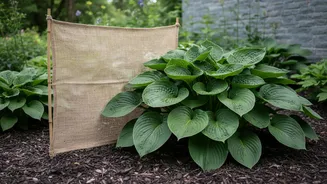
Protecting your plants doesn't require building a fortress. Often, a simple, temporary barrier is enough. The goal is to filter and slow the wind, not block it entirely, which can create damaging turbulence. One of the most effective methods is creating a screen with burlap or a specialized windbreak fabric stretched between sturdy stakes or t-posts. Place this barrier on the windward side of the vulnerable plants. For individual tall plants, driving a strong stake into the ground nearby and loosely tying the stem to it for support can prevent snapping. Grouping several potted plants together can also provide mutual support and create a more protected microclimate for the plants in the center.
Long-Term Planting Strategy
While temporary fixes are great for sudden weather events, thinking about wind protection during the planning phase of your garden is the most sustainable approach. If you have a windy site, consider planting a permanent, living windbreak. This involves planting a row of tough, wind-resistant trees or shrubs on the edge of your property that faces the prevailing wind. In India, hardy options like Neem or Casuarina can serve this purpose well. When positioning your delicate, large-leaved ornamentals, try to place them in sheltered locations, such as near a house wall, a solid fence, or behind a group of more robust shrubs. This strategic placement uses existing structures to create natural protection, ensuring your beautiful, leafy plants can thrive without being battered by the elements.