






The Shift in Our Shopping Carts
Look around your local supermarket or browse online, and you’ll see the evidence. Bamboo toothbrushes sit next to plastic ones. Steel straws are a common sight in kitchenware aisles. The ‘International Year of Millets’ wasn’t just a government campaign;
it reflected a genuine consumer return to traditional, water-efficient grains like jowar and bajra. This isn't just about high-end organic stores anymore. Direct-to-consumer (D2C) brands have flooded the market with everything from paraben-free shampoos to recycled-fabric clothing. What was once a premium, hard-to-find choice is now a readily available option for the average Indian consumer. This change is driven by a growing awareness, particularly among millennials and Gen Z, who are more conscious of the environmental impact of their consumption habits.
From Niche to Mainstream
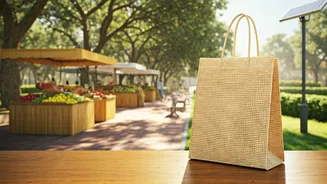
The most significant indicator of this ‘new normal’ is the democratisation of sustainability. For years, being eco-friendly was perceived as a luxury—expensive organic foods and designer clothing made from sustainable materials. While cost remains a factor, the gap is closing. Local farmers' markets are gaining popularity, promoting seasonal and regional produce that reduces food miles. The rise of thrifting and pre-loved fashion, popularised on platforms like Instagram, has made sustainable style accessible and trendy. Even everyday services are adapting. Think of the default 'no cutlery' option on food delivery apps or the proliferation of EV charging stations in urban parking lots. These small, daily touchpoints integrate sustainable practices into our lives so seamlessly that we barely notice they are conscious choices anymore.
The Push from Policy and Peers
This shift isn’t happening in a vacuum. Government policy has provided a significant nudge. The nationwide ban on many single-use plastic items, effective from July 2022, forced both businesses and consumers to find alternatives. Suddenly, cloth bags, steel tiffins, and reusable water bottles became not just good ideas, but necessities. Simultaneously, a cultural push from social media has normalised eco-consciousness. Influencers and community groups dedicated to zero-waste living, composting, and DIY solutions have created a powerful network of inspiration and practical advice. Seeing peers adopt these habits makes them seem less daunting and more achievable, creating a ripple effect that turns individual actions into a collective movement.
Corporate India Takes Note
Businesses are not just responding to this trend; they are beginning to drive it. Recognising that sustainability is good for both public relations and the bottom line, major Indian corporations are integrating it into their core strategies. From large conglomerates investing in renewable energy to FMCG companies redesigning their packaging to be recyclable, the corporate world is waking up. This isn't just about CSR (Corporate Social Responsibility) anymore. It's about ESG (Environmental, Social, and Governance) metrics that investors and consumers alike are starting to demand. Companies that fail to adapt risk being seen as outdated and irresponsible, which can directly impact their brand loyalty and market share in an increasingly conscious consumer landscape.
A Journey, Not a Destination
To say eco-friendly is the ‘new normal’ is to recognise a powerful direction of travel, not to claim we’ve reached the final destination. Significant challenges remain. The transition is largely an urban phenomenon, with awareness and access to alternatives still limited in many parts of the country. Price sensitivity is a major hurdle; for many families, the cheaper, less sustainable option is the only viable one. Furthermore, the risk of ‘greenwashing’—where companies make misleading claims about their environmental credentials—is real. Consumers are becoming more discerning, but navigating a marketplace full of complex claims requires effort and education. The normalisation of eco-consciousness is a fantastic start, but it's the first step on a much longer journey towards genuine, widespread sustainability.