





Prioritise Paw Protection
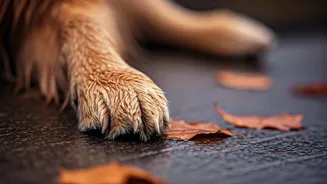
Your pet's paws are their first point of contact with muddy puddles and damp surfaces, making them breeding grounds for germs and fungal infections. After every walk, wash your pet's paws with lukewarm water and a gentle antiseptic solution. Most importantly,
dry them thoroughly, paying special attention to the area between their toes. Leaving paws damp can lead to painful skin infections. You can also consider using pet-safe balms to prevent cracking.
Manage Their Skin and Coat
The high humidity of the monsoon season is a major cause of skin issues in pets, including hot spots, fungal infections, and excessive itching. While you might be tempted to skip grooming, it’s actually more important now. Brush your pet’s coat daily to remove loose fur and prevent matting, which can trap moisture. Ensure your pet is completely dry after getting wet, whether from rain or a bath. Use a highly absorbent towel and a hairdryer on a low, cool setting if your pet is comfortable with it.
Adjust Their Diet and Hydration
Digestive issues can flare up during the monsoon. Ensure your pet has access to clean, boiled water at all times to prevent water-borne diseases. Avoid leaving food out for too long, as the humidity can cause it to spoil or grow mould quickly. Some vets recommend slightly reducing food quantity, as pets tend to be less active during this season. Stick to their regular, trusted food and avoid introducing new treats that could upset their stomach.
Double Down on Pest Control
Monsoon means a population boom for ticks, fleas, and mosquitoes. These pests not only cause discomfort but also transmit serious diseases. Ensure your pet’s tick and flea treatment is up-to-date. Check their fur and skin thoroughly after walks, especially around the ears, neck, and between the paws. Keep their bedding clean and dry, and consider using vet-approved repellents for added protection.
Provide Indoor Enrichment
Heavy rains often mean shorter walks or no walks at all, which can leave your pet bored and frustrated. Keep them mentally and physically stimulated indoors. Engage them with puzzle toys, play a game of fetch in a long hallway, or practice some basic obedience training. These activities will help burn off excess energy and prevent destructive behaviours born from boredom. A 15-minute indoor play session can be just as tiring as a short walk.
Soothe Thunderstorm Anxiety
The loud claps of thunder and flashes of lightning can be terrifying for many pets. Create a safe, comfortable den for them in a quiet part of the house where they can retreat. This could be a crate covered with a blanket or a cosy corner with their favourite bed. Playing calming music or white noise can help muffle the sounds of the storm. Stay calm yourself, as pets often pick up on their owner’s anxiety. Reassure them with your presence but avoid excessive coddling, which can reinforce their fear.