



From Agricultural Waste to a Wonder Material
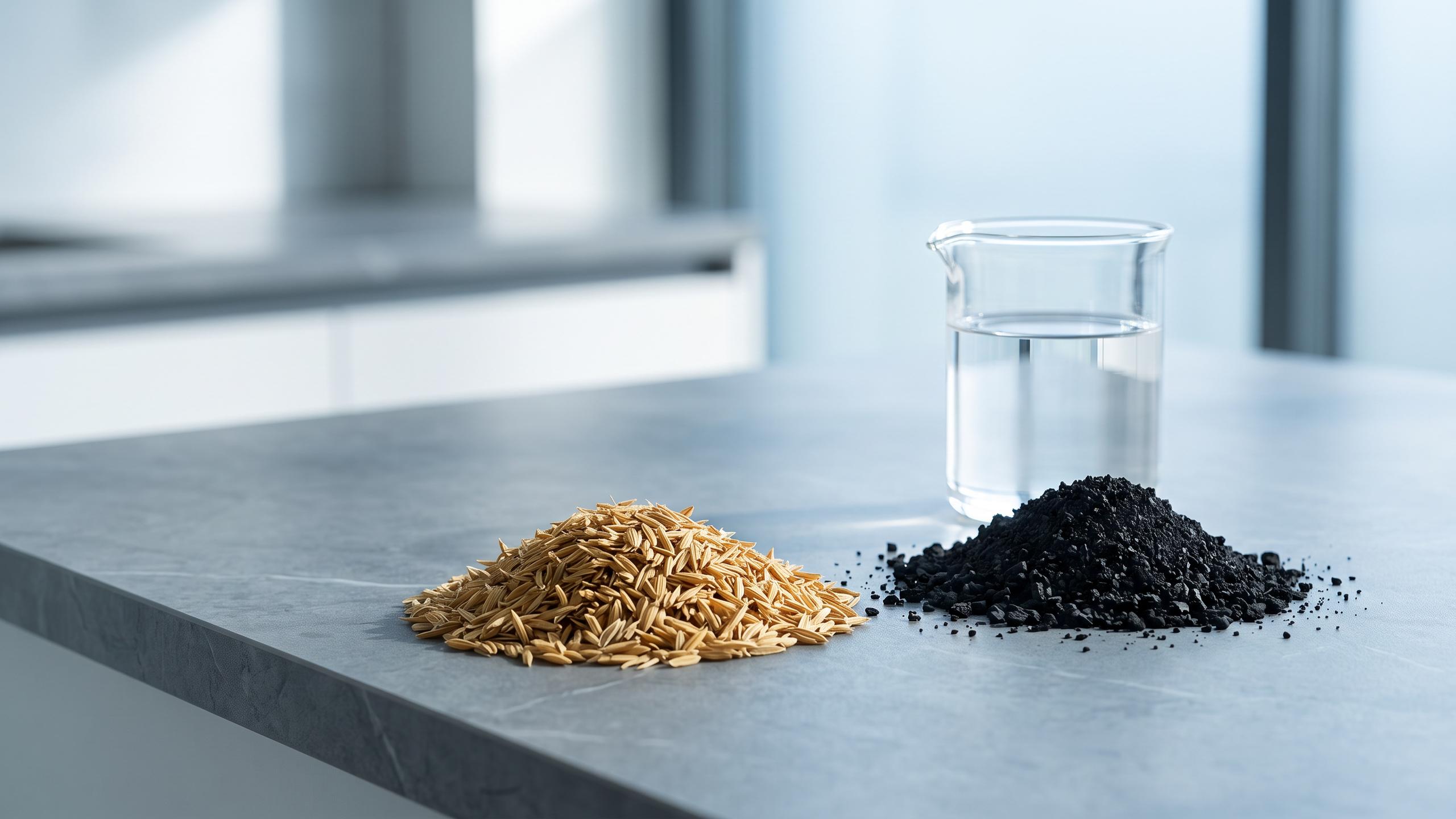
Every year, India produces millions of tonnes of rice, and with it, about 24 million tonnes of rice husks. This outer layer of the paddy grain is often seen as a waste product, sometimes burned for low-grade fuel or simply dumped. However, scientists
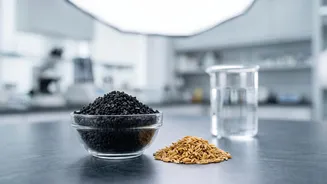
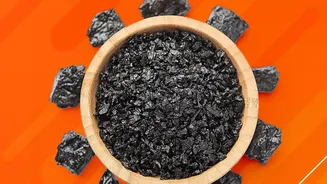
have found a way to transform this agricultural residue into something far more valuable: bio-char. Bio-char is a charcoal-like substance created by heating organic materials like rice husks in a low-oxygen environment, a process called pyrolysis. This process converts the bulky husks into a lightweight, stable, and highly porous material. By giving this common waste product a high-value purpose, it creates a circular economy model—turning a disposal problem into an environmental solution.
The Science of a Microscopic Trap
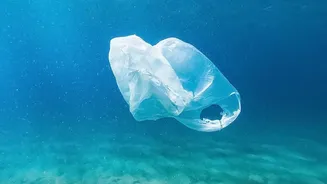
The magic of bio-char in filtering microplastics lies in its unique physical and chemical properties. During pyrolysis, the rice husk develops a vast network of pores, dramatically increasing its surface area. This porous structure acts like a microscopic labyrinth, physically trapping tiny plastic particles as water passes through it. But it’s not just a simple sieve. The surface of the bio-char also has chemical properties that attract microplastics. Mechanisms like electrostatic interactions and hydrophobic attraction cause the plastic particles, which are often water-repellent, to stick to the bio-char surface. This combination of physical entrapment and chemical adhesion makes bio-char exceptionally effective at capturing a wide range of microplastics that are otherwise difficult to remove.
Why It’s a ‘Game-Changer’
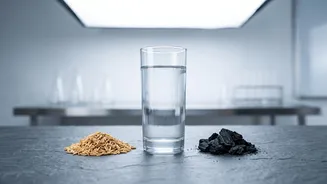
While other materials like activated carbon are used for water filtration, rice husk bio-char presents several game-changing advantages. The most significant is cost. Activated carbon requires a high-temperature 'activation' step that is energy-intensive, making it more expensive. Bio-char production is a simpler, lower-temperature process, making it a more affordable alternative, especially for large-scale use. Furthermore, it is highly sustainable. It's made from a readily available agricultural waste, which helps reduce waste burning and provides an additional revenue stream for farmers. Research shows that in some applications, bio-char can achieve impressive removal rates, with studies reporting over 90% efficiency in capturing microplastics under certain conditions. This combination of low cost, high efficiency, and sustainability is what truly sets it apart.
An Ideal Solution for India
The potential for rice husk bio-char in India is immense. The country faces the twin challenges of managing massive amounts of agricultural waste and tackling growing water pollution from sources like industrial effluents and urban runoff. Our freshwater ecosystems, including major rivers, are increasingly contaminated with microplastics. Rice husk bio-char offers a localised, 'Make in India' solution. The raw material is abundant in key agricultural states like West Bengal, Uttar Pradesh, and Punjab. Developing decentralised, low-cost water filtration units using this technology could provide cleaner drinking water to communities in both rural and urban areas, reducing public health risks and reliance on expensive, centralised treatment plants.
Challenges on the Road Ahead
Despite its great promise, taking rice husk bio-char from the laboratory to widespread field use has its hurdles. One of the main challenges is standardisation. The quality and effectiveness of bio-char can vary greatly depending on the feedstock and the pyrolysis temperature and conditions. Ensuring a consistent and effective product is crucial for reliable water filtration. Scaling up production from small batches to an industrial level requires significant investment and overcoming logistical hurdles. Furthermore, while lab results are highly encouraging, performance can sometimes differ in real-world conditions where water contains a complex mix of other contaminants that can compete for space on the bio-char's surface. More field studies and pilot projects are needed to optimise the technology for practical, long-term use.