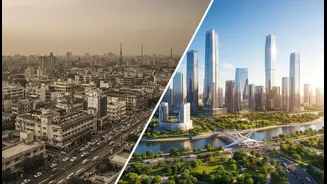









The Great Migration Reverses
The traditional career trajectory for a young Indian professional was a one-way ticket to a metropolis like Mumbai, Delhi, or Bengaluru. These cities were the undisputed engines of commerce and opportunity, attracting talent from every corner of the country.
However, this decades-old pattern is being rewritten. A quiet but powerful reverse migration is underway, not of failure, but of choice. Fresh graduates and early-career professionals are increasingly finding compelling reasons to start their careers in Tier-2 and Tier-3 cities. This shift is not just a temporary blip caused by the pandemic-era work-from-home phenomenon; it's a structural change in India's employment landscape, fuelled by economic logic and a re-evaluation of what a successful life looks like.
Why Companies Are Looking Beyond Metros
The move towards smaller cities is a strategic one for businesses. A primary driver is cost. Companies can significantly reduce operational expenses, with real estate rentals up to 50% cheaper and salaries often 25-30% lower than in major metros. But it's not just about saving money. Expanding into non-metro areas gives companies access to a vast, untapped talent pool of skilled professionals who prefer to work closer to home. This leads to lower employee attrition rates and more stable, dedicated teams. Furthermore, government incentives at the state level and the development of specialized economic zones, like GIFT City in Ahmedabad or IT SEZs in Jaipur, are making these locations more attractive for large-scale investment.
The New Hubs of Opportunity
This isn't a generic trend; it's happening in specific, rapidly growing hubs across the nation. Cities like Jaipur, Indore, Coimbatore, and Lucknow are emerging as major centres for hiring. The growth is sector-specific, creating unique economic identities for these cities. Visakhapatnam is booming as a tech and pharmaceutical hub, while Coimbatore excels in manufacturing and engineering, particularly for the Electric Vehicle (EV) sector. Indore and Jaipur are becoming hotspots for IT services and Global Capability Centres (GCCs), handling back-end operations and tech support for multinational corporations. Meanwhile, cities like Ranchi and Vadodara are benefiting from infrastructure and smart city projects, creating a diverse range of roles.
A Better Deal for Young Professionals?
For the first-time job seeker, the appeal of a smaller city is multifaceted. The most significant advantage is the lower cost of living, which means a starting salary goes much further than in an expensive metro. This financial relief is coupled with a better quality of life, including shorter commutes, less pollution, and the ability to live closer to family and support networks. The normalisation of hybrid work models means that employees in these cities can still work for major national and international companies, gaining valuable experience without the personal and financial sacrifices of metro life. While concerns about a potential career ceiling once existed, the increasing presence of large corporations and a burgeoning startup culture are creating more robust and long-term career trajectories within these emerging hubs.
The Digital and Physical Enablers
This decentralisation of opportunity would be impossible without two key developments: digital and physical infrastructure. The widespread rollout of high-speed internet and 5G connectivity has made remote and hybrid work seamless and reliable, allowing companies to operate distributed teams effectively. Simultaneously, massive government investment in physical infrastructure—from new highways and airports to improved urban transport—has made these cities more connected and accessible than ever before. This has not only made it easier for businesses to set up shop but has also spurred growth in related sectors like logistics, e-commerce, and retail, further diversifying the job market in these regions.