






The Monsoon's Market Power
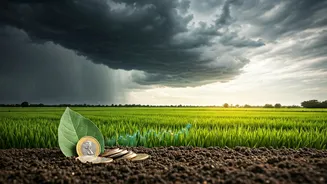
The Indian economy is deeply intertwined with the annual monsoon. These seasonal rains are the lifeblood for the country's vast agricultural sector, which supports a large portion of the population. A good monsoon generally leads to a strong harvest,
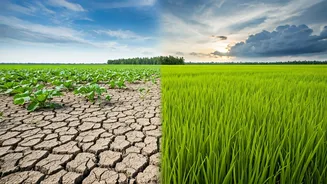
which boosts rural incomes. This increased purchasing power doesn't just stay on the farm; it fuels demand for a wide range of goods and services. Companies in the Fast-Moving Consumer Goods (FMCG) sector, like those selling soaps, snacks, and other daily essentials, see a significant uptick in sales. Similarly, sectors like automobiles (especially two-wheelers and tractors), fertilizers, and rural-focused financial institutions often perform well following a healthy monsoon. A strong monsoon can also help keep food inflation in check, which is a positive signal for the broader economy and market sentiment.
Not Just a Rain Game
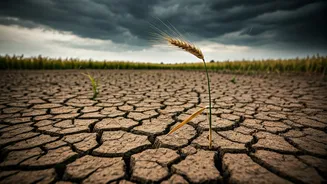
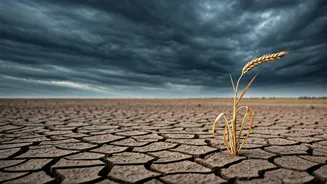
While the monsoon is a major headline, it's not the only weather event investors should track. Increasingly frequent and intense heatwaves and floods also have a profound economic impact. Extreme heat can lead to a surge in power demand as air conditioner usage spikes, benefiting power generation companies but also straining the grid. However, it also reduces labour productivity, especially in outdoor sectors like construction and agriculture, and can damage crop yields, leading to potential losses and inflation. On the other hand, floods and cyclones can cause massive damage to infrastructure, disrupt supply chains, and lead to significant losses for insurance companies due to a spike in claims. A 2026 study highlighted that over 90% of small and medium enterprises in flood-hit areas experienced operational disruptions, impacting the entire manufacturing ecosystem.
Reading the Economic Climate
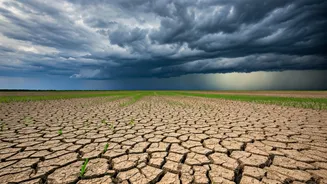
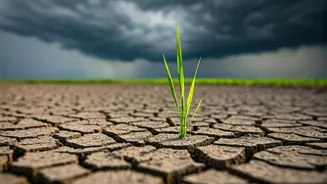
For a young investor, this doesn't mean you need to become a meteorologist. It's about understanding the ripple effects. Pay attention to forecasts from the India Meteorological Department (IMD), as professional traders do. Notice which sectors are mentioned when analysts discuss the monsoon. Is the rainfall distribution even, or are some agricultural heartlands facing a deficit? Events like El Niño can disrupt normal monsoon patterns, leading to drier conditions and potential economic stress, which has been flagged as a risk for India. Understanding these connections helps you grasp the underlying fundamentals of the companies you're interested in. A company with a diverse, nationwide presence might be better insulated from a regional drought than one with concentrated operations. This broader awareness moves you from just picking stocks to making informed investment decisions based on macroeconomic trends.
Long-Term Forecast: Climate Risk
Shifting from short-term weather to long-term climate change is crucial for the next generation of investors. Climate risk is no longer a distant concept; it's a financial reality that affects company valuations. Companies are now being evaluated on their resilience to climate change. How is a manufacturing firm managing its water resources in a drought-prone area? Does a real estate project account for rising sea levels or flood risks? This has given rise to a focus on ESG (Environmental, Social, and Governance) principles. Investors are increasingly looking at how companies are adapting their business models to be more sustainable and resilient. Those that invest in climate-proofing their operations and are transparent about their risks are likely to attract more capital and achieve better long-term value.
Practical Steps for Your Portfolio
So, how can you apply this knowledge? First, focus on diversification. A well-diversified portfolio is your best defence against the sector-specific shocks that weather events can cause. Second, do your homework. When researching a company, especially in exposed sectors like agriculture, FMCG, or insurance, look for discussions of weather-related risks in their annual reports or investor presentations. Third, think long-term. Don't make hasty decisions based on a single weather report. Instead, use this knowledge to build a deeper understanding of the factors that drive the Indian economy. By understanding how the climate impacts business, you are better equipped to build a resilient investment portfolio for the future.