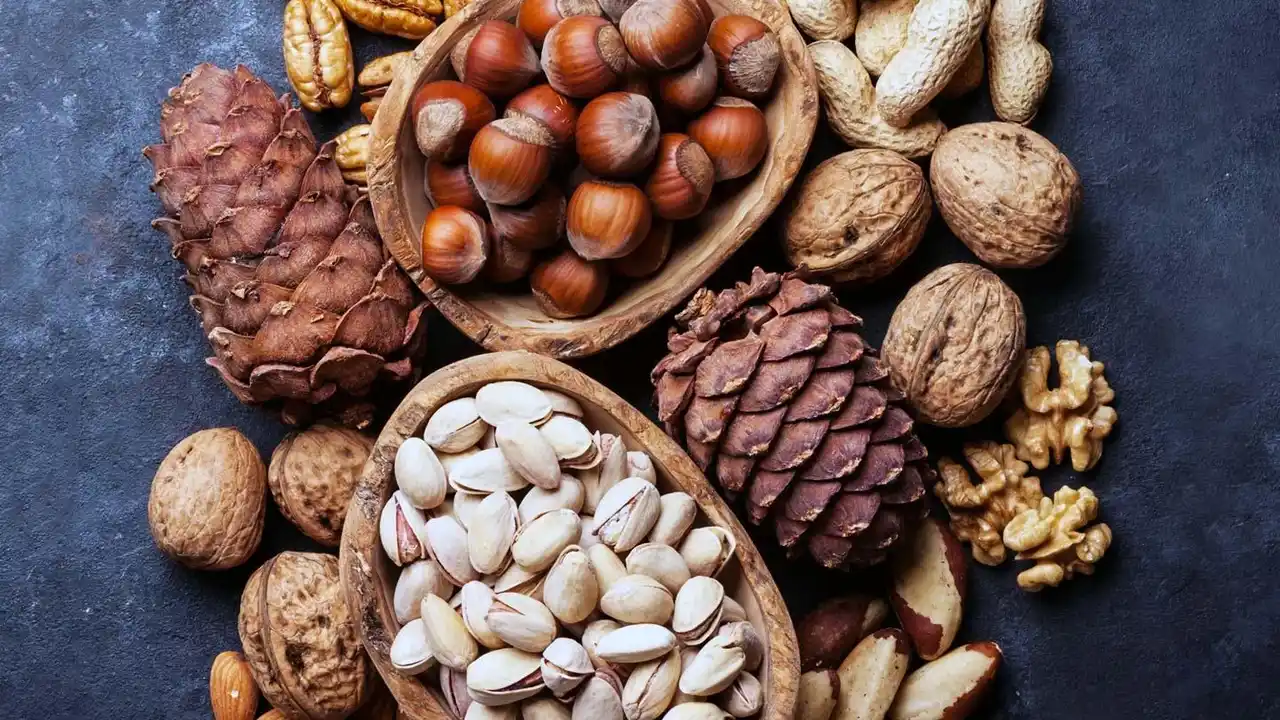







Nuts are a beloved snack, packed with protein, healthy fats, and fibre. But what if a simple, overnight step could make them even better? Soaking raw nuts in water may be the key to unlocking their full nutritional potential and making them gentler on your
digestive system.
The 'Anti-Nutrient' Armor in Raw Nuts
To understand the benefits of soaking, we first need to look at how nuts protect themselves in nature. Raw nuts, seeds, and grains contain natural compounds designed to keep them dormant until conditions are right for sprouting. The main players are phytic acid and enzyme inhibitors. Phytic acid can bind to minerals like iron, zinc, and calcium in your gut, which may reduce your body's ability to absorb them from the food you're eating. Enzyme inhibitors, meanwhile, can interfere with your own digestive enzymes, which for some people can lead to a feeling of heaviness or bloating after eating raw nuts. These natural defences are brilliant for the plant's survival but can sometimes be a hurdle for our digestion.
How Soaking Unlocks Their Potential
The process of soaking, sometimes called 'activating', essentially mimics nature. Submerging nuts in water signals to them that it's time to germinate, or start growing. In response, the nut begins to neutralize the enzyme inhibitors and break down some of the phytic acid. This pre-digestion step is believed to make the nuts easier for our bodies to process and may increase the bioavailability of their vitamins and minerals. While some research suggests the reduction in phytic acid in nuts is minimal, many people report feeling a noticeable difference in digestibility. Beyond the science, soaking also softens the texture of nuts, making them creamier and more pleasant to eat, especially in recipes.
A Simple Guide to Soaking Nuts
Ready to try it for yourself? The process is incredibly simple. All you need are raw, unsalted nuts, water, and a pinch of salt. It's important to use raw nuts, as roasted ones have been heat-treated, which destroys the enzymes needed for this process to work. Here’s the basic method: 1. Place your raw nuts in a glass bowl or jar. 2. Cover them completely with warm, filtered water. Add about one teaspoon of sea salt for every two cups of nuts, as the salt helps activate enzymes that neutralize the inhibitors. 3. Let them sit on the counter, covered with a breathable cloth, for the recommended time. 4. After soaking, drain the cloudy water and give the nuts a thorough rinse. You’ll be surprised at the residue that comes off.
Soaking Times for Common Nuts
Different nuts have different densities and compositions, so they require different soaking times. Harder nuts need a longer soak, while softer, more oily nuts need less time. Overstoking can make them slimy, so it's good to stick to a schedule. Here are some general guidelines: - Almonds: 12–24 hours. - Walnuts & Pecans: 4–8 hours. - Cashews: 2–4 hours (any longer and they can become slimy). - Hazelnuts: 8 hours. - Pumpkin & Sunflower Seeds: 7 hours. Remember to use these as a starting point. If you’re unsure, a standard 12–hour overnight soak works well for most harder nuts.
What to Do After the Soak
Once your nuts are soaked and rinsed, you have a few options. You can use them immediately in smoothies or for making creamy nut milks and sauces. Their softer texture is perfect for blending. However, soaked nuts are wet and will not last long. To preserve them and restore their satisfying crunch, you'll need to dehydrate them. You can do this in a food dehydrator at a low temperature (around 115–150°F) for 12 to 24 hours, until they are completely dry and crisp. Alternatively, you can use your oven on its lowest possible temperature setting, stirring them every few hours to ensure they dry out evenly. Once thoroughly dried, store them in an airtight container in the fridge to prevent mould.