


The Heart of the Proposal
Leading health experts in India, including those from organisations like The George Institute for Global Health, have put forward a significant recommendation to tackle a nationwide health crisis. The proposal suggests promoting the use of potassium-enriched,
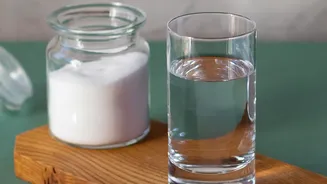
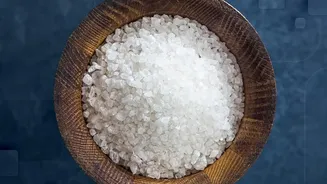
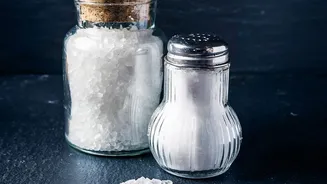
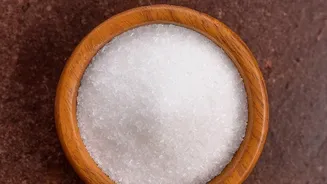
low-sodium salt substitutes (LSSS). This means replacing a portion of the sodium chloride (the chemical name for regular table salt) with potassium chloride. The most commonly discussed composition involves a blend of about 70-75% sodium chloride and 25-30% potassium chloride. This isn't just a minor tweak; it's a population-level strategy aimed at reducing high blood pressure and its severe consequences, like heart attacks and strokes.
India's Alarming Sodium Problem
The push for this change is rooted in stark numbers. The average Indian consumes about 8 to 11 grams of salt daily, which is nearly double the World Health Organization's (WHO) recommended limit of 5 grams per day. This excessive sodium intake is a primary driver of hypertension, or high blood pressure, which affects an estimated 220 million people in the country. High blood pressure is a silent killer, contributing to a significant number of deaths from cardiovascular diseases annually. Unlike in many Western countries where processed food is the main culprit, in India, nearly 80% of salt intake comes from salt added during home cooking, making household-level changes particularly impactful.
What Exactly Is Potassium Chloride?
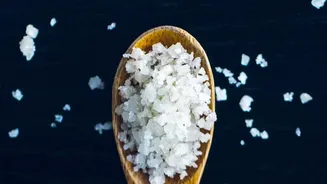
Potassium chloride is a naturally occurring mineral salt. It has a salty taste, similar to regular table salt, which makes it a viable substitute. However, chemically, it provides the body with potassium and chloride, instead of sodium and chloride. Potassium is an essential mineral and electrolyte that our bodies need to function correctly, playing a key role in nerve function, muscle contractions, and, crucially, managing blood pressure. While many people get too much sodium, most don't get enough potassium, and this proposal aims to tackle both problems at once.
The Two-Fold Health Benefit
The magic of this proposal lies in its dual action. First, by replacing some of the sodium chloride, it automatically reduces a person's intake of harmful sodium. Second, it increases the intake of beneficial potassium. Potassium helps the body get rid of sodium and eases tension in blood vessel walls, both of which help to lower blood pressure. Large-scale international studies, like the Salt Substitute and Stroke Study (SSaSS), have shown that this switch can lead to significant reductions in strokes (by 14%), major cardiovascular events (by 13%), and overall mortality (by 12%). Experts believe a nationwide adoption in India could prevent a substantial number of cardiovascular deaths each year.
Are There Any Risks or Downsides?
While potassium-enriched salt is safe for the vast majority of the population, it is not for everyone. The primary concern is for individuals with conditions that impair the body's ability to excrete potassium, which can lead to dangerously high levels in the blood (a condition called hyperkalemia). This includes people with advanced chronic kidney disease, those on certain medications like potassium-sparing diuretics or some blood pressure drugs (ACE inhibitors and ARBs), or anyone who has been specifically told by a doctor to limit potassium. For this reason, any public health push would need to be accompanied by clear labelling and public awareness campaigns advising these specific groups to consult their doctor before making the switch. Some people also report a slightly bitter or metallic aftertaste with higher concentrations of potassium chloride, though blends in the 25-30% range are generally well-tolerated.
What This Means for Your Roti and Dal
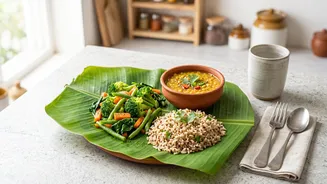
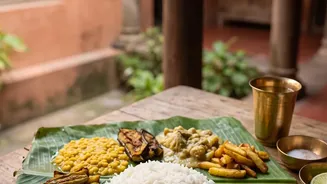
If this proposal is adopted, you might start seeing 'low-sodium, potassium-enriched' salt options become more common in stores. For most households, the switch would be seamless. It looks, cooks, and tastes very similar to regular salt, meaning your daily meals wouldn't require major changes in preparation. The idea is that this 'dietary vaccine', as one expert called it, would work quietly in the background to improve public health without asking people to overhaul their eating habits. The focus would be on making the healthy choice the easy choice, right from the salt you use to make your dough to the pinch you add to your sabzi.