







When thick smog blankets the city, your home should be a safe haven with clean air. But how do you actually keep pollution out? And can that snake plant in the corner really help? Let's clear the air on what truly works.
Seal Your Home: The First Line of Defence
The most effective way to improve
indoor air is to stop outdoor pollution from getting in. Smog particles are tiny and can easily enter through small gaps and cracks. Start by sealing leaks around windows and doors using weatherstripping tape or caulk. Even a rolled-up towel at the base of a door can make a noticeable difference. Check for gaps around pipes, electrical outlets, and exhaust fan vents. Sealing these entry points creates a barrier, reducing the amount of polluted air that infiltrates your living space. During periods of heavy smog, keep all windows and doors shut as much as possible.
Invest in an Air Purifier with a HEPA Filter
While sealing helps, some pollutants will inevitably get inside. A good air purifier is your most powerful tool for cleaning the air that's already in your home. Look for a model with a True HEPA (High-Efficiency Particulate Air) filter. These are designed to capture 99.97% of tiny particles like PM2.5, which are the most dangerous components of smog. Many purifiers also include an activated carbon filter, which is essential for removing odours and harmful gases known as Volatile Organic Compounds (VOCs). When choosing a purifier, consider its CADR (Clean Air Delivery Rate), which indicates how quickly it can clean a room. Ensure the CADR is appropriate for your room size, and for areas with severe pollution like Delhi-NCR, it's wise to choose a model with a higher CADR than you think you need.
Strategic Ventilation and Other Tips
A completely sealed home isn't healthy either, as indoor pollutants from cooking or cleaning can build up. Ventilation is a tricky balance during smog season. Monitor the outdoor air quality index (AQI) and try to air out your home for a short period during the time of day when pollution is typically lowest, often in the early afternoon. Avoid activities that create more indoor pollution, such as burning candles, incense, or frying food. If you have a central HVAC system, set it to 'recirculate' mode and consider upgrading to a filter with a MERV 13 rating or higher to capture more smoke particles.
The Houseplant Myth: The NASA Study Explained
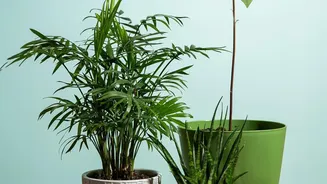
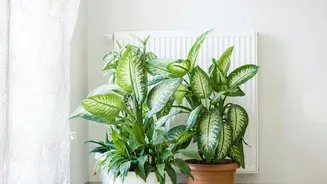
Many people believe that houseplants are natural air purifiers, a claim that stems from a famous NASA study from 1989. This study found that, in small, sealed chambers, certain plants could remove harmful VOCs from the air. The results were promising and led to the widespread idea that plants like the Snake Plant and Peace Lily could clean our homes. However, the key phrase is 'small, sealed chambers'. A typical home or apartment has natural air exchange from drafts, open doors, and ventilation systems, which dilutes pollutants far more quickly than a few plants can absorb them.
Hope vs. Reality: The Numbers Don't Add Up
Subsequent research has put the NASA findings into a real_world context. A 2019 review of decades of studies concluded that you would need a huge number of plants to make a meaningful difference. Estimates suggest it would take anywhere from 10 to 1,000 plants per square metre of floor space to match the air_cleaning capacity of a building's standard ventilation system or a couple of open windows. To put it another way, one analysis calculated you would need about 680 plants in a typical house to replicate the lab results. The verdict from scientists is now clear: potted plants alone do not significantly improve indoor air quality.
So, Should You Ditch Your Plants?
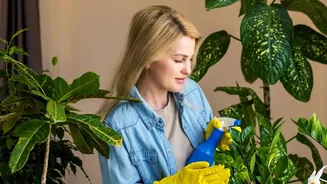
Absolutely not. While they may not be the air_purifying powerhouses we once thought, houseplants offer many other proven benefits. They are known to boost mood, increase focus, and reduce stress. Caring for plants can be a therapeutic activity, and they add natural beauty to any space. Just don't rely on them as your primary defence against severe smog. Enjoy your green companions for the joy and aesthetic they bring, but for clean air, stick to sealing your home and using a high_quality air purifier.