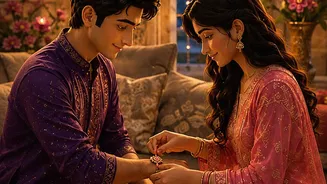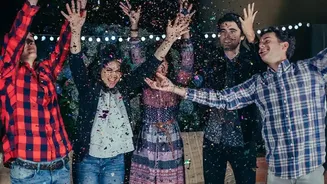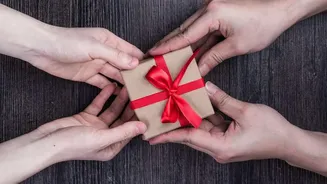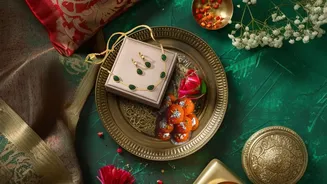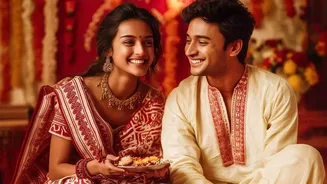




Not long ago, a milestone birthday or anniversary called for a predictable gift: a new watch, a silk sari, or the latest gadget. Today, that gift is just as likely to be a weekend wine-tasting tour, a scuba diving course, or a gourmet cooking class.
The New Currency of Connection
Across
India, a significant cultural shift is reshaping the art of giving. The long-held tradition of gifting physical objects is making way for a new preference: experiential gifts. This isn't just a fleeting trend; it reflects a deeper change in what urban Indians, particularly younger generations, value. Instead of owning more 'stuff', many are choosing to 'do' more, creating a rich tapestry of memories that last longer than any material possession. Industry reports from 2026 highlight this growing 'experience economy', which is projected to nearly double from $32.2 billion in 2024 to $59.2 billion by 2030. One survey noted that a remarkable 78% of Indian consumers would rather spend money on experiences than on physical products. This evolution in consumer behaviour suggests that the ultimate status symbol is no longer what you have, but what you have done.
Why Experiences Trump Possessions
Several factors are driving this move from materialism to memories. A primary driver is rising disposable income, which has empowered a growing middle and upper-middle class to spend more on discretionary activities. The post-pandemic world has also played a crucial role. After periods of isolation, there's a collective craving for connection and real-world activities. Gifting an experience—a concert, a trip, or a workshop—is a way to facilitate shared moments with loved ones. Furthermore, social media has transformed experiences into a new form of social currency. A stunning photo from a Himalayan trek or a video of a pottery class is highly 'shareable', offering a different kind of gratification than a picture of a new handbag. For many Gen Z and Millennial consumers, these moments help define their identity and work-life balance in a way that possessions cannot.
What's on the Experiential Menu?
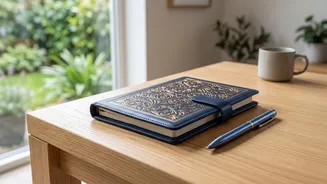
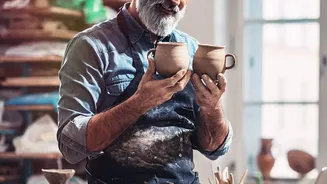
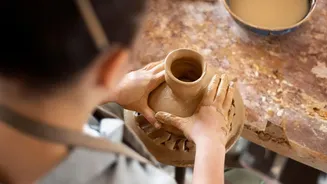
The market for experiential gifts in India is diverse and expanding rapidly. For the adventurous, options include everything from paragliding in Bir Billing to scuba diving in the Andamans. For the culturally inclined, there are heritage walks, pottery workshops, and bespoke culinary tours that offer deep dives into local traditions. Wellness is another booming category, with wellness retreats, spa vouchers, and subscriptions to meditation apps becoming popular, thoughtful gifts. Even corporate gifting is moving in this direction, with companies offering employees unique workshops or team-building adventure days instead of the usual diaries and pens. These gifts are seen as more meaningful and personal, creating a stronger emotional connection between the giver and the recipient.
The Future of Gifting is a Memory
As this trend solidifies, businesses are quickly adapting. A new ecosystem of startups and established companies is emerging, dedicated to curating and selling experiences. From online portals that offer everything from a chef's table dinner to a weekend getaway, to travel companies crafting niche, interest-based tours, the 'experience economy' is creating new opportunities for entrepreneurs. This shift also extends to a desire for more sustainable and mindful consumption. Rather than contributing to clutter, many consumers feel that gifting an experience is a more eco-conscious choice. This move away from mass-produced items and towards unique, personal moments indicates that the boom in experiential gifting is more than a trend—it's a reflection of evolving Indian values.