




Master Your Drinking Water
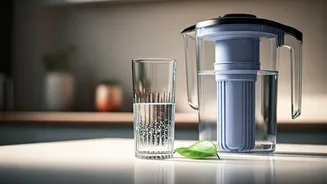
The single most important rule during monsoon is to ensure your drinking water is pure. Municipal water supplies can get contaminated due to overflowing sewers and pipe leakages. Never assume tap water is safe to drink directly. The most reliable method
is to boil water for at least 1-3 minutes. Once it cools, store it in clean, covered containers. If boiling isn't feasible, a good quality water filter (RO, UV, or UF) is your next best bet. Regularly service your filter, as its efficiency can drop during high-usage periods. Also, avoid drinking water from outside sources, including restaurants, unless you are certain it's filtered or bottled. When buying bottled water, always check for an intact seal.
Food Safety is Water Safety
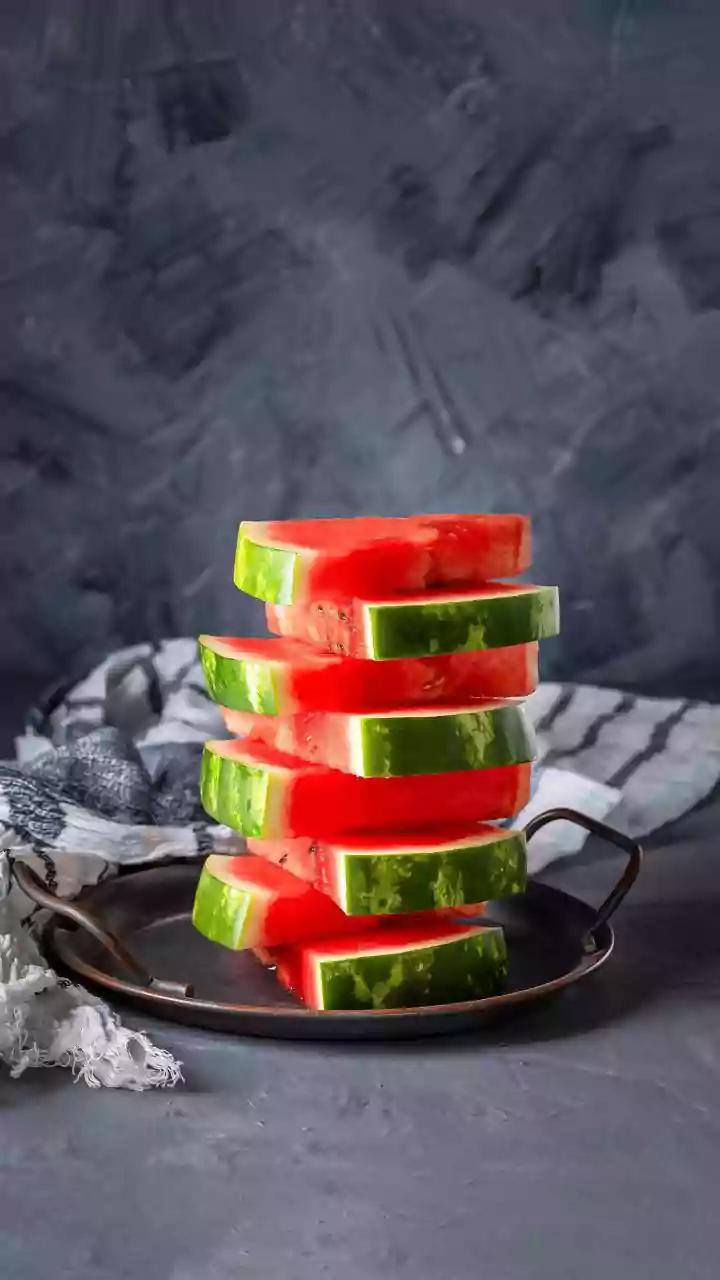
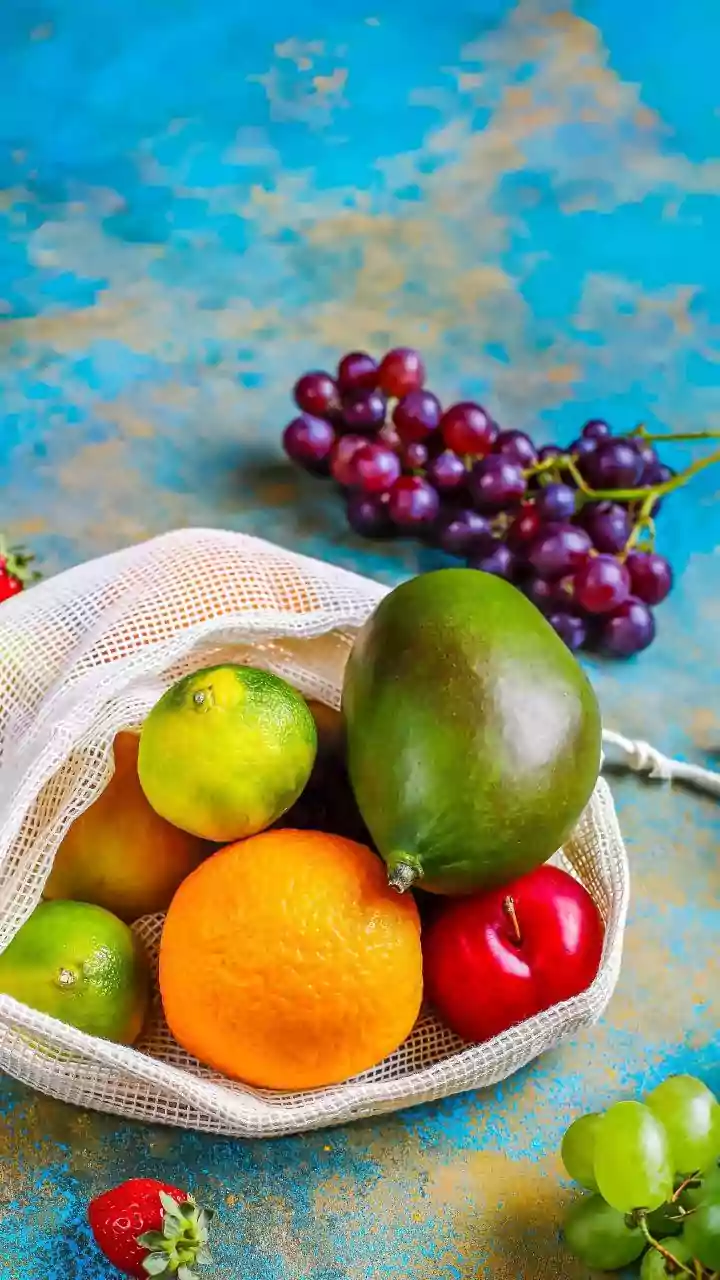
Water-borne diseases don't just come from what you drink; they come from what you eat. Raw vegetables and fruits can be carriers of harmful microbes. Wash all produce thoroughly with clean, filtered water. For extra safety, you can soak vegetables in a solution of potable water with a pinch of potassium permanganate or vinegar for about 15 minutes before rinsing again with clean water. Be especially wary of leafy greens like spinach and cabbage, where dirt and germs can hide easily. This is also the season to be cautious with street food, particularly items like golgappas, chutneys, and fresh juices that use unverified water sources. Opt for freshly cooked, hot meals instead.
Hygiene: Your Strongest Shield
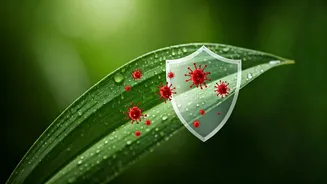
Your personal hygiene habits act as a crucial barrier against infection. Wash your hands frequently with soap and water, especially before eating, after using the washroom, and after coming in from outside. The monsoon humidity provides a fertile ground for germs to thrive. If soap and water aren't available, use an alcohol-based hand sanitizer. Keep your fingernails short and clean, as they can accumulate dirt and bacteria. Also, ensure your home is clean and dry. Prevent water from stagnating in and around your house in coolers, pots, or containers, as this creates a breeding ground for mosquitoes that transmit diseases like dengue and malaria, which also spike during this season.
Navigating Puddles and Floods
Wading through waterlogged streets is sometimes unavoidable, but it poses significant health risks. Floodwater is often mixed with sewage, garbage, and animal waste, making it a cocktail of dangerous bacteria and viruses. It can cause skin infections, fungal issues (athlete's foot), and more serious diseases like leptospirosis, which is transmitted through animal urine in contaminated water. If you must walk through stagnant water, wear waterproof footwear like rubber boots. As soon as you get home, wash your feet and legs thoroughly with soap and warm water. Pay special attention to any cuts or wounds, cleaning them with an antiseptic to prevent infection.
Know the Warning Signs
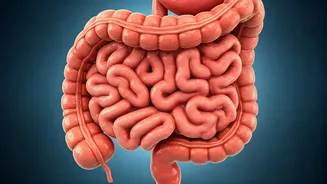
Despite taking precautions, it’s important to recognise the early symptoms of common water-borne diseases. These include diarrhoea, vomiting, stomach cramps, fever, jaundice (yellowing of eyes and skin), and prolonged fatigue. Typhoid often presents with a high, sustained fever. Cholera is marked by severe, watery diarrhoea. If you or a family member experience any of these symptoms, do not self-medicate. Dehydration is a major risk, so keep sipping on oral rehydration solution (ORS) and consult a doctor immediately. Early diagnosis and treatment are key to a swift recovery and preventing complications. Don't dismiss 'a small stomach bug' during the monsoon; it could be something more.