







A Fundamental Shift in Thinking
For decades, the approach to health in India was straightforward: if you felt unwell, you visited a doctor. This reactive, or curative, model focused on treating symptoms after they appeared. However, this approach is becoming unsustainable due to rising
healthcare costs and the increasing prevalence of chronic, lifestyle-related diseases. Non-communicable diseases like diabetes, heart disease, and hypertension now account for a majority of deaths in India, and many of these conditions are preventable. As a result, there's a growing recognition that waiting for illness to strike is both medically and economically inefficient. The new focus is on preventive healthcare—a proactive strategy designed to stop disease before it starts, catch it early, or slow its progression.
The Role of Regular Health Checks
A cornerstone of this preventive shift is the regular health screening. These check-ups are no longer just for when something feels wrong; they are a vital tool for early detection when you feel perfectly fine. Screenings can identify potential medical problems before you notice any symptoms, which is crucial because many serious conditions, like certain cancers or high blood pressure, often show no early signs. Early detection through regular tests can lead to more treatment options, better outcomes, and a longer, healthier life. This proactive monitoring allows individuals and their doctors to manage risk factors, make necessary lifestyle adjustments, and ultimately avoid the high costs and complications associated with advanced diseases.
Movement as Modern Medicine
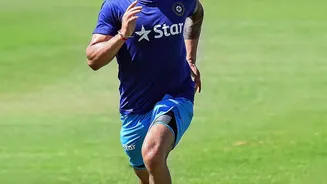
Alongside medical screenings, physical activity is being recognised as a fundamental pillar of preventive health. Regular exercise is one of the most effective tools for reducing the risk of chronic illnesses. Engaging in at least 150 minutes of moderate-intensity activity per week can lower blood pressure, improve cholesterol levels, and significantly decrease the chances of developing conditions like heart disease and type 2 diabetes. Beyond disease prevention, physical activity boosts mental well-being by relieving stress and anxiety, improves sleep quality, and helps maintain healthy bones, muscles, and joints. In essence, staying active is no longer just about fitness; it's a critical component of a long-term strategy to maintain quality of life and independence as we age.
Wellness in the Workplace
This preventive mindset is also transforming workplaces across India. Companies are moving beyond basic health insurance and implementing comprehensive corporate wellness programs. These initiatives are designed to support the physical, mental, and even financial health of employees through offerings like on-site health screenings, mental health counselling, and fitness challenges. Employers are recognising that a healthy workforce is a productive one. By investing in preventive care, companies can reduce absenteeism, control healthcare costs, and combat rising rates of workplace stress and burnout. These programs have shifted from a 'nice-to-have' perk to an essential part of modern corporate strategy.
A Holistic View of Health
Ultimately, this trend is about broadening the definition of health itself. It's not merely the absence of disease but a state of complete physical, mental, and social well-being. This holistic approach integrates various pillars of a healthy lifestyle: regular check-ups and physical activity are combined with a focus on nutrition, stress management, and adequate sleep. Technology is playing a key role, with wearable devices and health apps making it easier for individuals to track their metrics and take control of their health. The goal is to empower people with the knowledge and tools they need to make informed choices that safeguard their health for years to come.