




More Than Just a Paddle
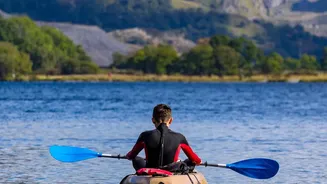
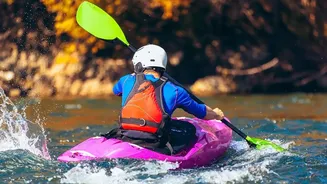
In Meghalaya, the ‘Abode of Clouds’, adventure tourism is taking on a profound new meaning. It’s no longer just about the adrenaline rush of navigating a kayak through stunning gorges, but about creating a deeper connection with the environment. Pioneering
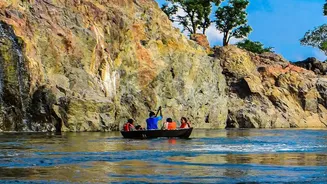
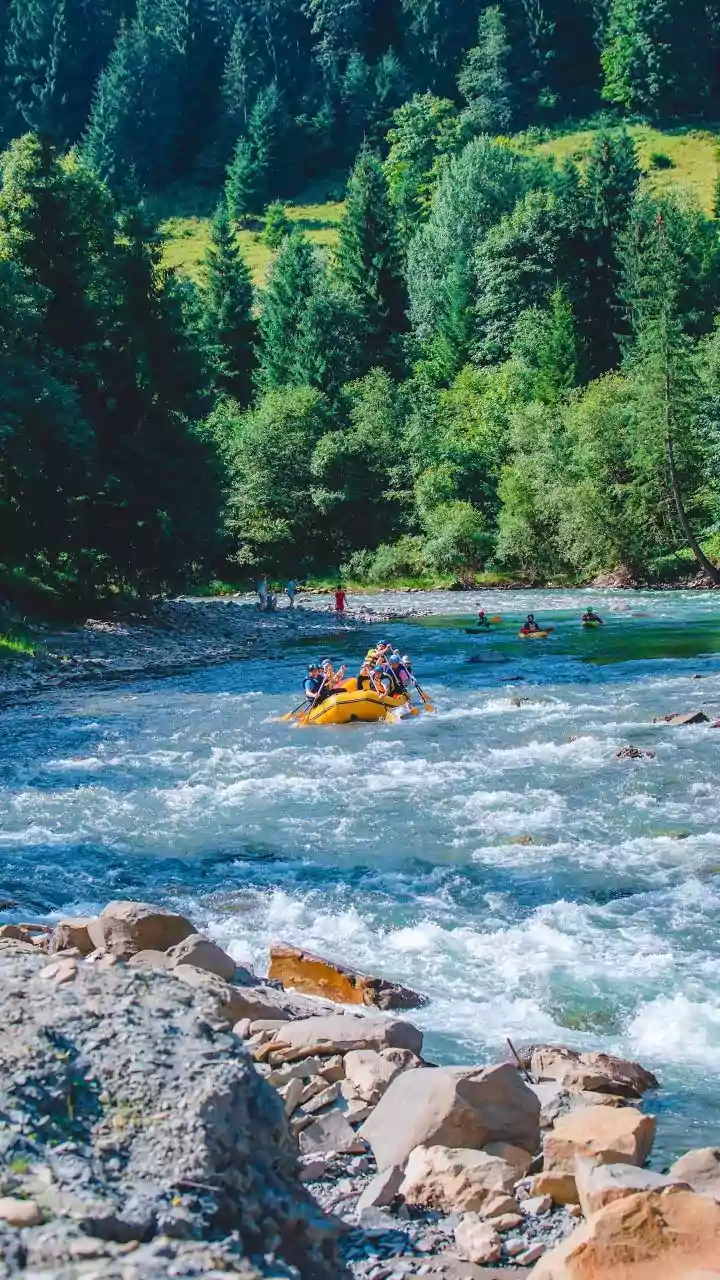
local tour operators and community-led cooperatives are redesigning the adventure experience. Instead of simply offering a scenic paddle, these tours integrate environmental education and hands-on conservation activities, turning a simple holiday into a mission. Travelers are invited not just to see the beauty of rivers like the Umngot and Umtrew, but to actively participate in preserving them. This model of tourism moves beyond passive sightseeing, fostering a sense of responsibility and ownership among visitors.
The Crystal-Clear Challenge
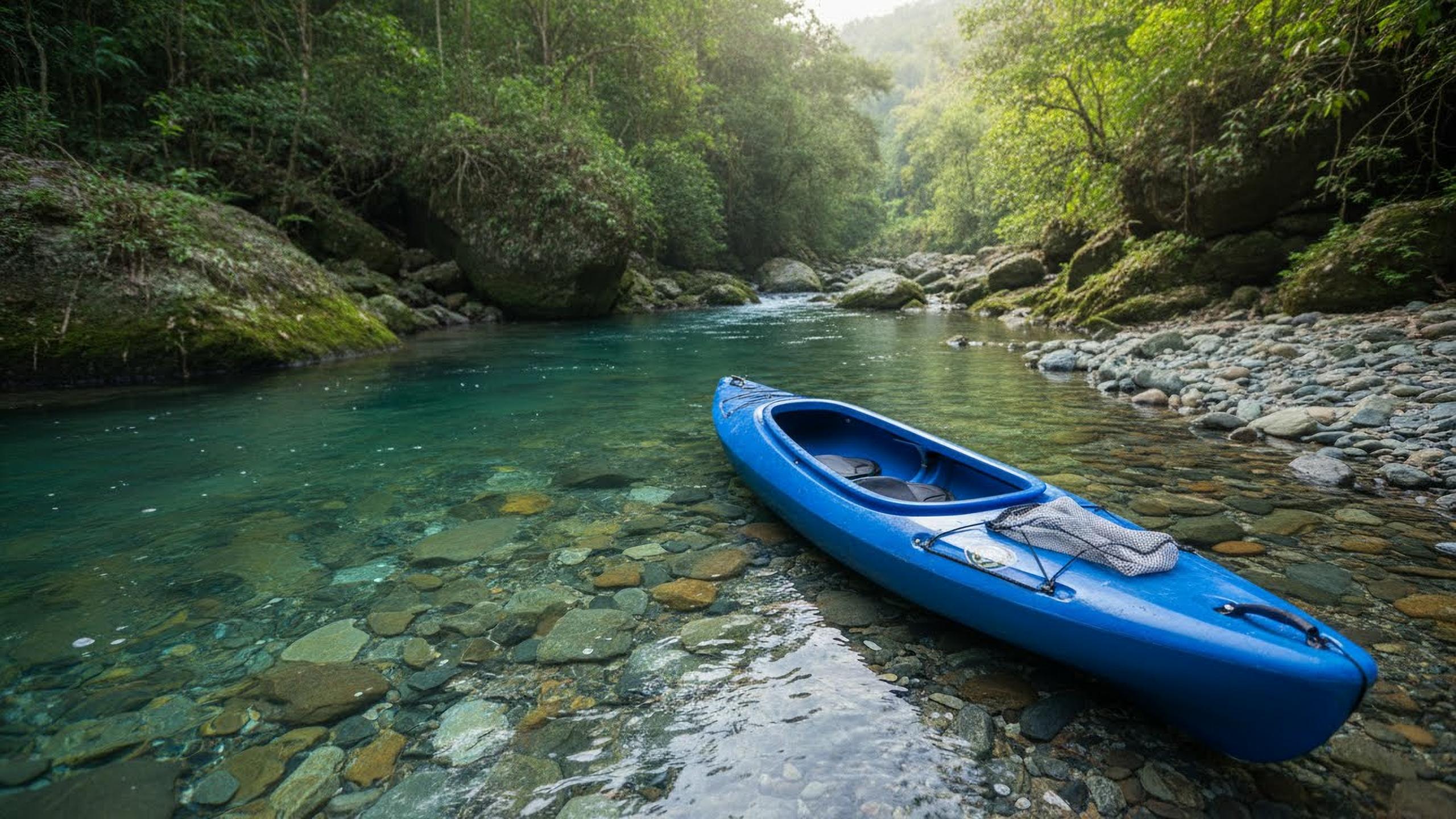
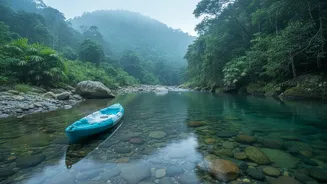
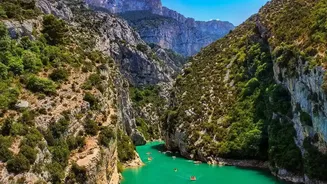
The rivers of Meghalaya, particularly the Umngot in the Dawki and Shnongpdeng region, are famous for their almost transparent waters, where boats seem to float in mid-air. This extraordinary clarity makes them a massive draw for tourists from across the globe. However, this pristine beauty is fragile. Unregulated tourism, coupled with infrastructure projects like highway construction, has at times led to pollution and sedimentation that threaten the delicate aquatic ecosystems. The murkiness that has occasionally clouded the Umngot serves as a stark reminder of the urgent need for sustainable practices. This threat has galvanized local communities and eco-entrepreneurs to act, recognizing that the state's greatest natural asset requires active protection.
From Tourist to Guardian
The transformation from tourist to guardian is a carefully curated process. It begins the moment a traveler books a tour with a responsible operator. These trips, often organized by local cooperatives, ensure that revenue directly benefits village development and conservation efforts. The experience typically involves more than just kayaking. Guides, who are often local residents deeply familiar with the river's ecology, educate visitors about the unique flora and fauna and the cultural significance of the waterways. Many tours now incorporate activities like mini clean-up drives, where kayakers collect floating plastic waste, or participate in planting native vegetation along riverbanks. This direct engagement fosters a powerful psychological shift. When a traveler physically removes litter from a river, their relationship with that environment changes from one of consumption to one of caretaking.
The Ripple Effect of Conscious Travel
The impact of this model extends far beyond cleaner riverbeds. By choosing community-run homestays and tours, travelers ensure their spending supports local economies, providing sustainable livelihoods that are directly linked to the health of the environment. This creates a virtuous cycle: when communities see a direct economic benefit from conservation, they become its most staunch defenders. For the travelers, the experience often sparks a lasting change in perspective. The lessons learned on the rivers of Meghalaya—about minimizing waste, respecting local ecosystems, and the power of individual action—are carried home, influencing their behavior long after the vacation ends. This educational component is crucial, transforming a single trip into a catalyst for broader environmental awareness.
Paddling Into a Sustainable Future
The eco-conscious kayaking movement in Meghalaya serves as a powerful blueprint for the future of tourism in ecologically sensitive regions across India. It demonstrates that adventure and environmentalism are not mutually exclusive but can be powerful allies. By empowering local communities and engaging tourists as active participants in conservation, this model offers a path to growth that doesn't sacrifice the natural resources on which it depends. As more travelers seek meaningful experiences over mass-market tourism, the demand for such responsible adventures is set to grow. The clear, flowing rivers of Meghalaya are more than just a beautiful sight; they are a classroom and a cause, proving that the best way to keep a place pristine is to make everyone who visits a part of its protection.