



The Dawn of the Night Economy
The numbers paint a clear picture of this after-dark shift. According to recent data, payment volumes for orders placed between 10 p.m. and 4 a.m. have seen a staggering 60% increase over the past year. This isn't just a handful of night owls; it's millions
of consumers across the country transforming what was once a retail dead zone into a bustling digital marketplace. The number of transactions during these hours has also jumped by nearly 30%. This trend is driven by a convergence of factors: legislative changes in several states allowing 24/7 retail operations, the relentless rise of quick commerce, and profound shifts in lifestyle.
Meet the Midnight Shopper
Who is driving this nocturnal surge? The culprits are varied. There are the young professionals in IT and BPO sectors in cities like Bengaluru and Hyderabad, whose work schedules align with international time zones. There are students pulling all-nighters, and Gen Z and millennial consumers whose social lives, often involving in-house parties or late-night streaming, now extend into the early morning. Hectic work schedules and a growing desire for convenience mean that for many, the quiet hours of the night are the first real opportunity to unwind, plan for the next day, or simply indulge a craving. This behaviour is no longer confined to metros, with strong adoption now spreading to smaller cities as well.
The Quick Commerce Catalyst
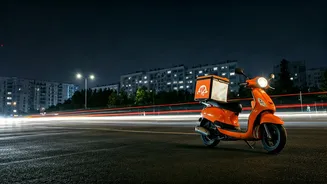
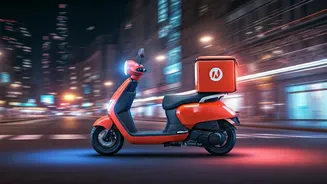
The explosion in late-night ordering is inseparable from the rise of quick commerce platforms like Zepto, Blinkit, and Swiggy Instamart. The promise of delivery in minutes has fundamentally altered consumer expectations. An unplanned craving for ice cream, a last-minute need for a phone charger, or the sudden realisation that you're out of baby supplies can now be solved with a few taps. These platforms have effectively created a new form of instant gratification, making impulse buying more tempting than ever. Some operators now have up to 80% of their 'dark stores'—the local warehouses that power these deliveries—running 24/7 to meet the demand.
From Cravings to Commerce Signals
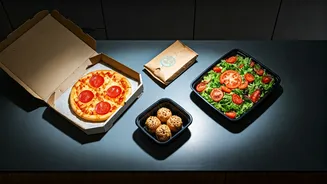
While food and beverages predictably dominate the late-night order charts, with pizzas and burgers being top contenders, the shopping basket reveals much more. Categories like personal care, cosmetics, sexual wellness products, and even fashion are seeing significant nocturnal activity. This data is a goldmine for businesses. It provides a real-time pulse on consumer needs, moods, and impulses. A spike in orders for comfort food might signal a response to a stressful workday, while an increase in beauty product sales could be tied to weekend socialising. For brands, these patterns are no longer just noise; they are critical signals for inventory management, targeted marketing, and understanding the deeper psychological drivers of their customers. Late-night orders often show higher purchase intent, with a significant drop in Cash on Delivery (COD) usage in favour of digital payments like UPI, signaling a confident buyer.
A Mirror to Modern India
Ultimately, the rise of the midnight order is a reflection of a changing India. It points to an urban workforce with increasingly fluid schedules and a society that values convenience and immediacy above all else. The traditional 9-to-5 is giving way to a 24/7 cycle, and retail is adapting in response. This “night-time economy” is not just about delivery apps; it creates a ripple effect, boosting employment in logistics, security, and food preparation. While challenges around logistics and labour remain, the trend shows a clear economic opportunity for businesses willing to operate beyond conventional hours.