


As a cool mist settles over grasslands and forests, winter transforms India's landscapes, offering a magical window for wildlife enthusiasts. This season brings pleasant weather and unique animal behaviours, making it the perfect time to explore.
Ranthambore National Park, Rajasthan
Famous
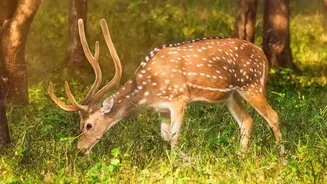
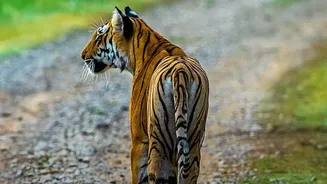
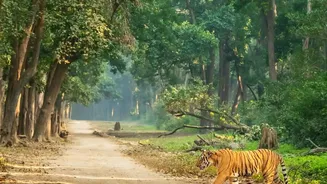
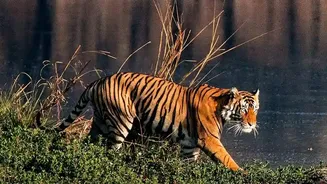
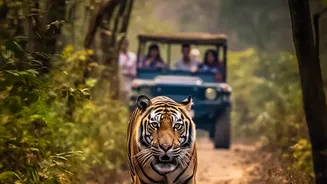
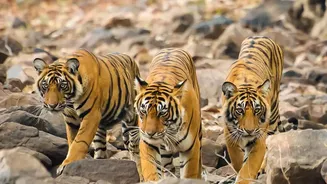
for its population of Royal Bengal tigers, Ranthambore becomes particularly rewarding in winter. The cooler temperatures between November and February make safari conditions comfortable, and the tigers are often more active during the day. With deciduous trees shedding their leaves, visibility into the dry forests improves, increasing the chances of spotting these majestic predators, sometimes against the backdrop of ancient ruins and the historic Ranthambore Fort. Beyond tigers, the park is a habitat for leopards, sloth bears, sambar deer, and a variety of birds. The blend of history and wildlife makes it a truly unique destination, where a safari feels like a journey through time.
Kaziranga National Park, Assam
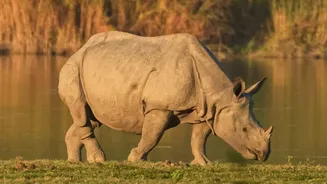
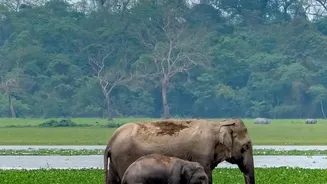
A UNESCO World Heritage Site, Kaziranga is globally renowned for its success in conserving the great one-horned rhinoceros. Winter, from November to February, is considered the prime season to visit. The weather is cool and dry, encouraging animals to emerge from the tall elephant grass to bask in the sun. This greatly improves sighting opportunities for rhinos, as well as elephants, wild water buffalo, and even the elusive Bengal tiger. Furthermore, winter is a paradise for birdwatchers, as a host of migratory birds arrive from Central Asia, adding to the park's already rich avian diversity. The misty mornings on a jeep or elephant safari provide a surreal experience of this vibrant ecosystem.
Jim Corbett National Park, Uttarakhand
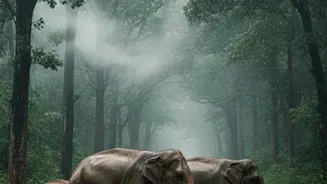
As India's oldest national park, Jim Corbett offers a diverse terrain of hills, riverine belts, grasslands, and a large lake. The winter months are ideal for exploring this varied landscape, with pleasant daytime temperatures perfect for safaris. While the park is famous for its Bengal tigers, it's also a crucial habitat for large herds of Asian elephants. The Dhikala zone, which opens in mid-November, is particularly noted for its vast grasslands and stunning views of wildlife against the Ramganga reservoir. Birdwatching is another major draw in winter, with hundreds of resident and migratory species present. The cool, crisp air and quieter forest make it an immersive experience for nature lovers.
Kanha National Park, Madhya Pradesh
Often described as one of India's most beautiful national parks, Kanha's landscape of sal forests and expansive meadows is captivating in winter. This season, from November to February, offers comfortable safari conditions with misty mornings and pleasant afternoons. Kanha is a stronghold for the Royal Bengal tiger and is also the only place where the rare hard-ground barasingha (swamp deer) can be found. Animals are often seen in the open grasslands enjoying the gentle winter sun, which makes for excellent sighting and photography opportunities. The park's serene atmosphere and rich biodiversity, which also includes leopards, sloth bears, and Indian wild dogs, make it a top choice for a peaceful yet thrilling wildlife getaway.
Keoladeo National Park, Rajasthan
For birdwatching enthusiasts, there is no place quite like Keoladeo National Park, also known as Bharatpur Bird Sanctuary, during winter. This UNESCO World Heritage Site transforms into a bustling avian metropolis as thousands of migratory birds arrive. From October to February, the wetlands host species from as far as Siberia and Central Asia, including various geese, ducks, eagles, and waders. Unlike other parks, Keoladeo is best explored on foot, by bicycle, or on a cycle-rickshaw, allowing for a quiet, up-close experience. The rickshaw pullers are often trained guides who can help identify the hundreds of species, making a visit both educational and awe-inspiring. It's a true paradise for anyone interested in ornithology.