



Understanding the Monsoon Menace
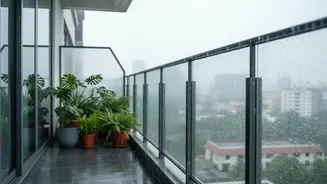
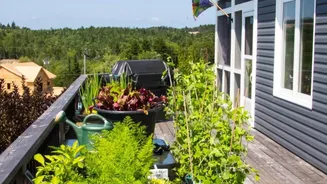
The Indian monsoon is a welcome relief from summer heat, but for balcony plants, it can be a season of stress. Unlike plants in the ground, potted plants have limited drainage. A sudden, heavy downpour can quickly saturate the soil, leaving roots sitting
in water. This waterlogging is a primary cause of root rot, a fungal disease that can quickly kill a healthy plant. Furthermore, the sheer force of heavy raindrops can physically damage delicate leaves, break tender stems, and wash away essential topsoil and nutrients from the pots, leaving your plant corner looking battered and bare.
What Are Vertical Shields?
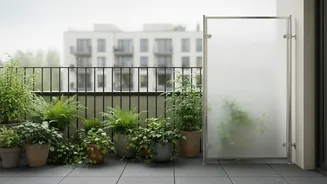
Enter the vertical shield, a simple yet highly effective solution. The term doesn't refer to a single product but rather a concept: creating a vertical barrier to deflect the majority of rain before it can flood your plant containers. These shields are not meant to create a completely waterproof bubble, which would block necessary light and air. Instead, they act as a buffer, turning a torrential downpour into a more manageable shower for your plants. They are typically installed along the outer railings of the balcony, angled slightly to guide water away.
Choosing Your Shield Material
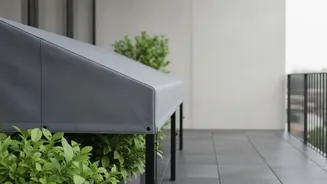
The effectiveness of a vertical shield largely depends on the material. Polycarbonate sheets are a popular and highly recommended choice. They are lightweight, incredibly impact-resistant, and can come with UV protection, which also helps shield plants from harsh afternoon sun. Clear polycarbonate allows maximum light through, ensuring your plants don't suffer from lack of sunlight. Another option is acrylic, which offers glass-like clarity but can be more brittle. For a more budget-friendly or temporary solution, transparent PVC blinds or heavy-duty tarpaulins can be effective. These are often retractable, giving you the flexibility to roll them up on sunny days.
Installation in Compact Spaces
In a compact apartment balcony, every inch matters. The key to installing vertical shields is ensuring they are secure without being obstructive. For rigid materials like polycarbonate, you'll need a frame. This can be a simple wooden or metal structure fixed securely to your balcony railing and perhaps the ceiling. It is crucial that the installation can withstand strong monsoon winds. Ensure the shield is angled to drain water away from your balcony and not onto your neighbour’s below. For flexible options like PVC blinds, they can be mounted from the balcony ceiling and secured at the bottom to prevent them from flapping wildly in the wind.
DIY vs. Professional Solutions
Creating a DIY vertical shield is certainly possible. Using a sturdy frame and attaching a sheet of polycarbonate or a waterproof tarp can be a weekend project for the handy gardener. There are many guides online for creating simple frames from PVC pipes or wood. However, if you are unsure about structural integrity, especially in a high-rise building, seeking professional help is the safer bet. Professionals can ensure the frame is securely anchored and the materials are appropriate for your specific weather conditions, offering a more durable and worry-free solution.
Beyond Rain Protection
While the primary purpose is to prevent rain overload, vertical shields offer secondary benefits. They can act as a windbreak, protecting plants from being toppled or damaged by strong gusts. Tinted or frosted shields can also provide privacy and diffuse harsh sunlight, preventing leaf scorch during the hotter parts of the day. This multi-functionality makes them a valuable addition to any urban balcony garden, turning it into a more controlled and protected environment for your plants to thrive in.