






Understanding the Gut-Brain Axis
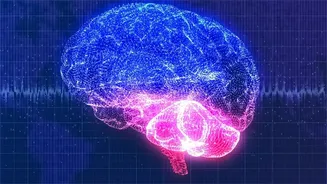
The gut-brain axis is a complex, two-way communication network connecting your brain and your gastrointestinal tract. Think of it as a constant conversation happening inside your body. This dialogue involves the nervous system, particularly the vagus
nerve, as well as hormones and the immune system. Trillions of microorganisms, collectively known as your gut microbiome, live in your digestive tract and are key players in this conversation. They help produce neurotransmitters—chemical messengers that regulate mood—including about 90% of the body's serotonin and 50% of its dopamine. When your gut microbiome is balanced and healthy, this communication network functions smoothly. However, an imbalance can send distress signals to the brain, potentially influencing your emotional state.
Fermentable Fiber: Fuel for a Healthy Gut
Fermentable fibers, also known as prebiotics, are types of carbohydrates that your body cannot digest. Instead, they travel to the colon where they become food for your beneficial gut bacteria. When these microbes feast on fiber, they produce beneficial compounds called short-chain fatty acids (SCFAs), like butyrate. These SCFAs are crucial for a healthy gut lining, but their benefits don't stop there. They can also cross the blood-brain barrier, where they help reduce inflammation and support the production of brain-derived neurotrophic factor (BDNF), a protein that promotes the growth of new neurons and is vital for learning and memory. Essentially, by eating fermentable fiber, you are feeding the 'good' bacteria that help maintain both gut and brain health.
Your Guide to Fermentable Fiber Foods
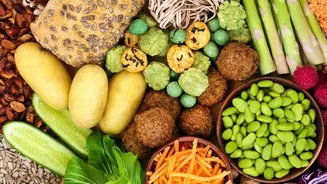
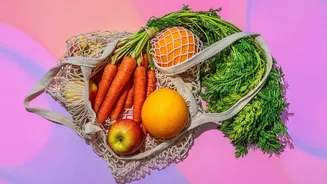
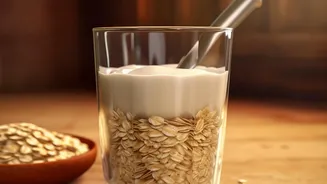
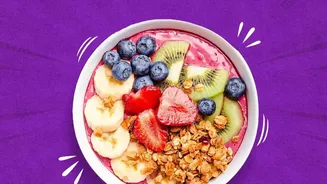
Incorporating more prebiotic-rich foods into your diet doesn't have to be complicated. Many common and delicious foods are packed with the fermentable fiber your gut microbes love. Great sources include onions, garlic, leeks, and asparagus. Fruits like apples, bananas, and berries are also excellent choices. For whole grains, consider adding oats, barley, and rye to your meals. Legumes such as beans, peas, and lentils are fiber powerhouses. Even nuts and seeds, like almonds and flaxseed, contribute to your intake. Starting small by adding a side of garlicky green beans or having oatmeal for breakfast can make a significant difference over time.
Probiotics: Adding Reinforcements to Your Gut
If prebiotics are the food, probiotics are the beneficial live microorganisms themselves. Consuming probiotics can help reinforce the populations of good bacteria in your gut, contributing to a healthier and more balanced microbiome. These are often found in fermented foods, where bacteria or yeast have been used in the production process. Some of the most well-known probiotic sources include yogurt and kefir. Other fantastic options are fermented vegetables like sauerkraut, kimchi, and pickles. Fermented soy products such as miso and tempeh, as well as the popular fermented tea drink kombucha, are also rich in probiotics. Different probiotic strains may offer different benefits; for example, strains like Lactobacillus and Bifidobacterium are frequently studied for their potential role in supporting mood and reducing stress.
Connecting Diet to a Sharper, Happier Mind
So, how does eating an apple or a bowl of yogurt translate to better mood and focus? A well-fed and balanced microbiome helps regulate inflammation, a factor that can negatively impact brain function. By producing SCFAs and influencing neurotransmitter levels like serotonin, your gut bacteria directly contribute to the chemical environment of your brain. Research has linked higher fiber intake with a lower risk of depressive symptoms, and some studies suggest that specific probiotics can help reduce feelings of anxiety and stress. While diet is not a cure-all, nourishing your gut provides your body with the tools it needs to support the intricate systems that govern both physical and mental wellness.