






4. The Miracle of '83: Kapil's Devils
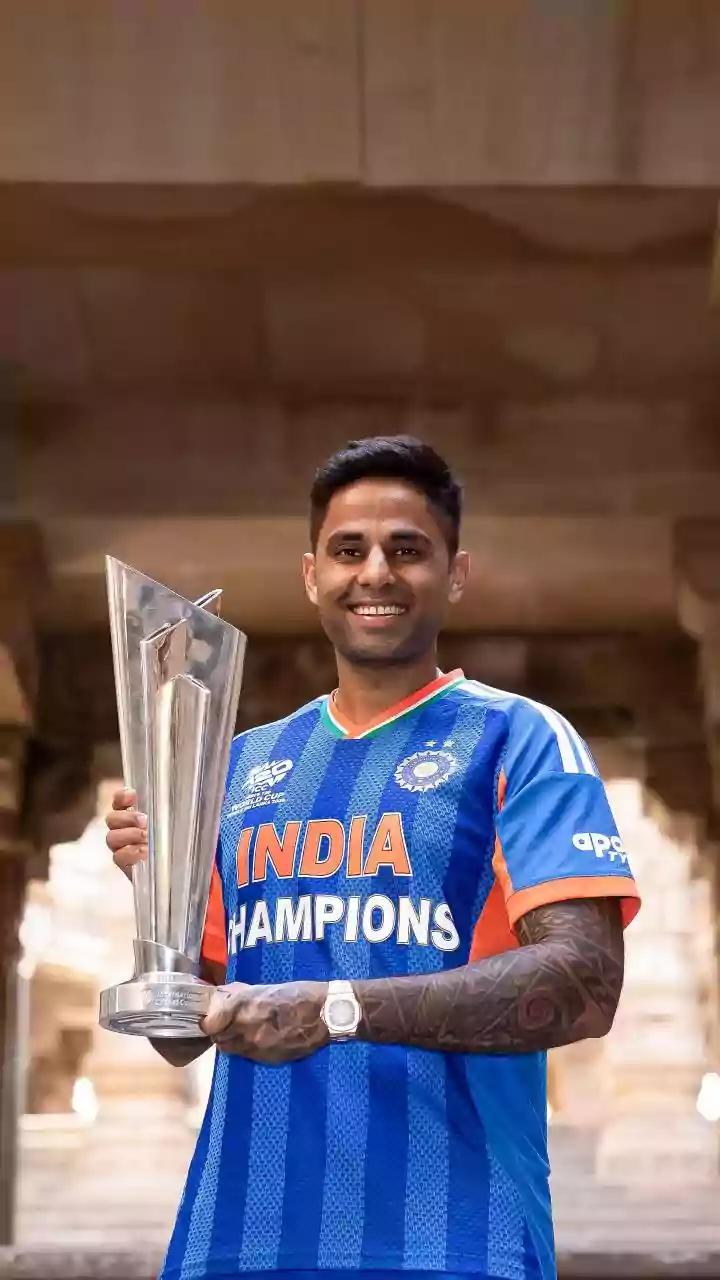
It was the moment that changed everything. When Kapil Dev's underdog Indian team arrived in England for the 1983 World Cup, no one gave them a chance. Yet, on June 25, they stood on the Lord's balcony, having defeated the invincible West Indies to lift
the trophy. This victory was more than just a title; it was a seismic shift that transformed cricket from a sport into a national obsession in India. The image of Kapil Dev holding the cup became a symbol of hope and self-belief for a nation, proving that India could compete with and beat the world's best. Before this, India was a minor cricketing nation; after, it was on the path to becoming a superpower. The win sparked a revolution, inspiring a generation of future cricketers and laying the financial and cultural groundwork for the powerhouse the Board of Control for Cricket in India (BCCI) would become.
3. The New Millennium: Ganguly's 'Dadagiri'
Sourav Ganguly took over the captaincy in the early 2000s when Indian cricket was in turmoil. He didn't just rebuild a team; he forged a new identity. Known for his aggressive 'Dadagiri' style, Ganguly instilled a fearless attitude, convincing his players they could win anywhere, especially overseas. This era is remembered for landmark victories like the iconic 2001 Kolkata Test against Australia, where India won after following on, snapping the Aussies' 16-match winning streak. He also led India to a shared 2002 Champions Trophy and the final of the 2003 World Cup. More importantly, Ganguly nurtured a crop of young talent including Virender Sehwag, Yuvraj Singh, Harbhajan Singh, and Zaheer Khan, who would become the backbone of India's future success. While the trophy cabinet wasn't overflowing, Ganguly's legacy lies in transforming India into a tough, competitive unit that no longer settled for being gracious losers.
2. The Age of Dominance: Virat Kohli's Reign
If Ganguly taught India to fight, Virat Kohli taught them to dominate. Under Kohli's captaincy, particularly from 2015 to 2021, India became the undisputed kings of Test cricket. Holding the number one Test ranking for five consecutive years, Kohli's team was virtually unbeatable at home. His tenure was defined by a ruthless fitness culture and the development of a world-class fast-bowling attack that could take 20 wickets in any conditions. This led to historic achievements, most notably India's first-ever Test series victory in Australia in 2018-19. Kohli ended his tenure as India's most successful Test captain, with 40 wins in 68 matches. While a major ICC trophy remained elusive during his captaincy, the Kohli era will be remembered for establishing a period of sustained red-ball excellence and an aggressive, win-at-all-costs mentality that made India a formidable force across the globe.
1. The Golden Era: MS Dhoni's Trophy Haul
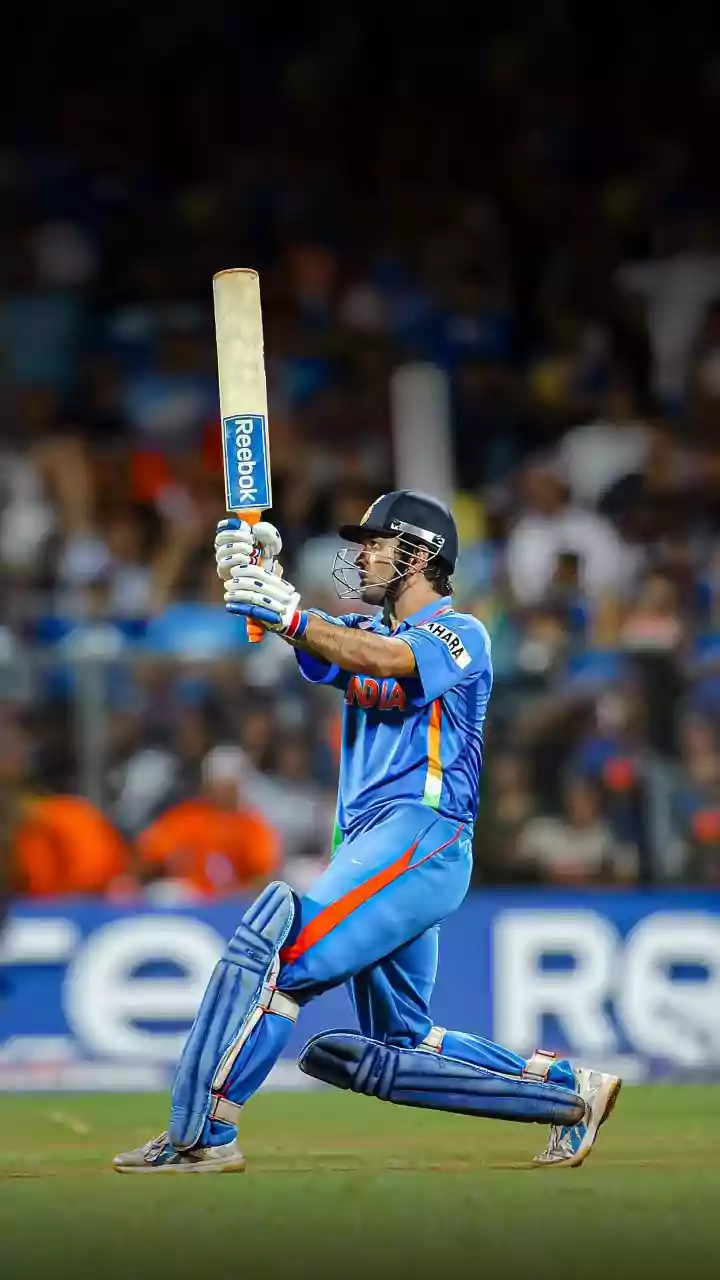
No captain in Indian history has a resume as decorated as Mahendra Singh Dhoni. In a golden period between 2007 and 2013, he led India to an unprecedented treble of ICC trophies. It started with a young team winning the inaugural T20 World Cup in 2007. This was followed by the crowning glory: the 2011 ODI World Cup victory on home soil, ending a 28-year wait, with Dhoni himself hitting the winning six. He completed the set with the 2013 Champions Trophy, making him the only captain in history to win all three major ICC white-ball tournaments. Beyond the trophies, Dhoni's calm and calculated leadership, 'Captain Cool', took India to the number one ranking in Test cricket for the first time. His era was marked by incredible consistency, the successful transition of the team from seniors to juniors, and an unmatched ability to win crucial moments. For its sheer volume of silverware and success across all formats, the Dhoni era stands as India's most unforgettable.