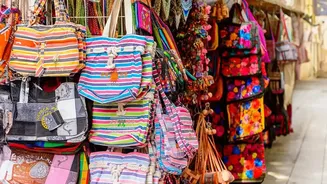







Do Your Homework First
Spontaneity is a travel joy, but a little planning goes a long way. Before you even pack your bags, do a quick online search for local markets at your destination. Look beyond the main tourist hubs; often, the most authentic experiences are found in residential
neighborhoods. Check for opening days and hours, as many markets are only open on specific days of the week. Use online maps to see which markets are located near other sights on your itinerary. Grouping your market visit with a nearby museum or landmark saves valuable travel time. This strategic research means you’re not scrambling for information upon arrival but can instead head straight for your chosen spot with a clear plan.
Go Early, Leave Early
The golden rule for visiting most popular attractions also applies to markets: beat the crowds by arriving early. Being there within the first hour of opening gives you a more relaxed atmosphere to browse. You’ll get the freshest selection of goods, especially at farmers markets, and have a better chance to interact with vendors before they get overwhelmed. An early start also means you can accomplish your market mission and be on your way to the next activity before the midday rush hits, keeping your schedule on track. The ideal visit isn't about spending hours; it's about having a high-quality experience. Aim to sell out your time there in the last hour, not the first.
Set a Clear Mission
Wandering aimlessly is a recipe for a time sink. Instead, go in with a purpose. Are you looking for unique, handmade souvenirs, wanting to sample local street food, or just hoping to take some great photos? Having a clear goal helps you focus your energy. It's also wise to set a budget. Many vendors at smaller, traditional markets operate on a cash-only basis, so having local currency on hand is essential. Knowing what you’re looking for and how much you’re willing to spend prevents both wasted time and unintentional overspending, turning a potentially overwhelming experience into a targeted and successful mission.
Master the Art of the Quick Scan
You don’t need to inspect every single item at every stall. Learn to perform a quick visual scan as you walk the aisles. Let your eyes drift over the displays, looking for things that genuinely catch your interest. If a stall has a long line of locals, it's often a good sign that the products or food are worth a closer look. Trust your instincts. If a stall doesn't vibe with your mission, move on without guilt. This technique allows you to cover more ground efficiently, ensuring you see a wide variety of what the market has to offer without getting bogged down in sections that aren't relevant to your goals.
Engage, Don't Just Browse
A market visit shouldn't feel like a transaction at a supermarket. The real value comes from the human connection. Even if you're short on time, take a moment to engage with the vendors. A simple smile and a greeting in the local language can go a long way. Ask a question about their craft or produce. These brief interactions are what transform a simple shopping trip into a memorable cultural experience. You’ll gain a deeper appreciation for your purchases and create a positive connection. Often, vendors are happy to share a story or a recommendation, adding immense value to your quick visit.
Pack Smart for Market Finds
The final piece of the puzzle is being prepared to carry your treasures. The most important item to bring is a reusable shopping bag. It's sustainable and far more reliable than flimsy plastic bags. If you plan on buying fragile items, a small, sturdy box or some bubble wrap tucked into your daypack can be a lifesaver. For food purchases, having a small cooler bag can be useful, especially in warm climates. Thinking ahead about logistics ensures you can comfortably and safely transport your finds, freeing you up to enjoy the rest of your travel day without being weighed down.