





The Secret's Out: It's Rice Water
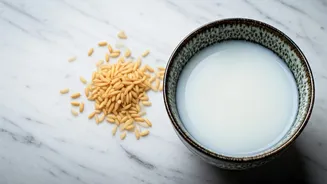
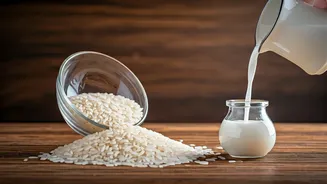
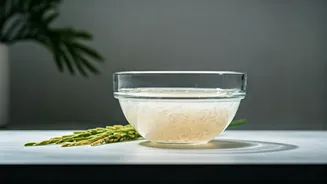
The ingredient causing all the buzz is rice water—the starchy liquid left over after rinsing or boiling rice. A staple in Indian households, this humble byproduct is now being hailed on TikTok and Instagram as a powerhouse for skin and hair. Influencers
are showing off brighter skin and shinier hair, all supposedly thanks to this simple, cost-effective liquid. While it might seem like a new trend, the practice is deeply rooted in history, particularly in Asian cultures where it has been used for generations as a traditional beauty treatment.
History and Science in a Bowl
The use of rice water for beauty isn't a social media invention. For centuries, the Yao women of China, famous for their incredibly long and healthy hair, have credited their hair-rinsing rituals with fermented rice water. Similarly, court ladies in Japan during the Heian Period were known to bathe in it for soft, supple skin. So, what’s the science behind the tradition? Rice water is rich in nutrients, including amino acids, antioxidants like ferulic acid, and minerals. The star component is often cited as inositol, a carbohydrate that some studies suggest can help repair damaged hair and improve skin elasticity. While robust clinical trials are still lacking, the chemical composition provides a plausible explanation for its reported benefits.
The Purported Skin and Hair Benefits
Users of rice water claim a wide range of benefits. For skin, it's said to brighten the complexion, soothe irritation and inflammation (making it popular for acne and eczema), tighten pores, and improve the skin barrier. The starchy content can create a temporary smoothing effect, giving the skin a softer finish. For hair, it’s praised as a strengthening treatment. The proteins are believed to help fortify the hair shaft, reduce breakage, increase shine, and detangle knots. Many people use it as a final rinse after shampooing and conditioning, leaving it in for 15-20 minutes before washing it out.
Your Simple DIY Guide
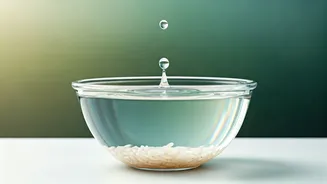
Making your own rice water is incredibly simple. There are a few popular methods: 1. **The Soaking Method:** Take half a cup of uncooked rice (any kind will do, but many prefer white or jasmine) and rinse it once to remove impurities. Then, add 2-3 cups of water and let it soak for at least 30 minutes, or up to a few hours. Swirl it around until the water becomes cloudy. Strain the water into a clean jar or spray bottle. 2. **The Boiling Method:** Simply use the water left over after you’ve boiled rice for a meal. Let it cool completely before using it. This version will be more concentrated. 3. **The Fermented Method:** Many proponents believe fermented rice water is the most potent. Follow the soaking method, but let the strained rice water sit at room temperature for 24-48 hours. Once it starts to smell slightly sour, it's ready. Store your rice water in the refrigerator for up to a week to prevent bacterial growth.
A Word of Caution from Experts
While rice water is generally considered safe, it’s not a one-size-fits-all miracle. Dermatologists advise caution. For one, homemade concoctions can harbour bacteria if not stored properly in the fridge and used quickly. Secondly, for those with dry skin or hair, the high starch and protein content can sometimes lead to dryness or a stiff feeling, a phenomenon known as 'protein overload' in hair care circles. It's always best to do a patch test on a small area of your skin or a few strands of hair to see how you react. If you have sensitive skin, eczema, or persistent acne, it’s wise to consult a dermatologist before jumping on the trend. They can help you determine if it’s right for your specific needs.