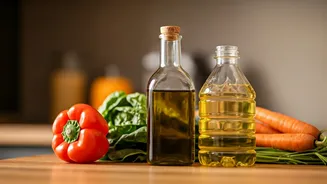









The Great Kitchen Swap
A clear trend is emerging, particularly among younger, health-aware Indians. The once-dominant, industrially processed vegetable oils—often marketed for their supposed lightness and 'heart-healthy' benefits—are being viewed with growing suspicion. This
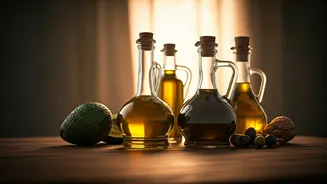
isn't just a niche movement; it's a mainstream shift in pantries and on social media feeds. In their place, traditional fats are making a powerful comeback. We're seeing a return to 'kacchi ghani' (cold-pressed) mustard oil, coconut oil, groundnut oil, sesame oil, and of course, ghee. This generation is asking more questions: What am I eating? How was it made? Is 'refined' really better? The answers are leading them back to the wisdom of their grandparents' kitchens.
Why the Sudden Change of Heart?
This culinary pivot is driven by several converging factors. Firstly, there's a surge in health and wellness literacy. The internet and wellness influencers have made complex nutritional information accessible, leading many to scrutinise food labels like never before. The post-pandemic era amplified this, creating a heightened focus on immunity and natural, unprocessed foods. Secondly, there's a cultural reclamation at play. Many young Indians are seeking to connect with their roots, and food is a primary vehicle for that connection. Choosing traditional oils is seen as an authentic, sustainable practice, a rejection of the industrial food system that dominated for decades. Finally, influential nutritionists and dietitians in India have been vocal advocates for returning to indigenous fats, arguing that they are better suited to Indian genetics and cooking methods.
Refined vs. Cold-Pressed: The Real Difference
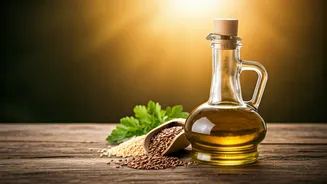
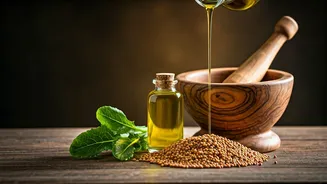
So, what’s the big deal about how an oil is made? It turns out, a lot. 'Refined' oils undergo an intense industrial process. They are extracted using chemical solvents, then bleached, deodorised, and heated to extremely high temperatures. This process strips the oil of its natural colour, flavour, aroma, and, critically, many of its beneficial nutrients like antioxidants and vitamins. The result is a neutral, stable oil with a high smoke point, but one that is nutritionally depleted. In contrast, 'cold-pressed' or 'wood-pressed' (ghani) oils are extracted through mechanical pressure at low temperatures, without chemicals. This gentle process preserves the oil’s natural nutrient profile, flavour, and aroma. While they may have lower smoke points, they deliver more of the good stuff the original seed, nut, or fruit had to offer.
The Stars of the Traditional Pantry
The oils making a comeback are regional powerhouses. In North and East India, cold-pressed mustard oil, with its pungent aroma and high antioxidant content, is being celebrated for everything from sabzis to pickles. In the South, coconut oil, rich in medium-chain triglycerides (MCTs), remains a staple, praised for its unique flavour and health properties. Ghee, or clarified butter, has transcended regional boundaries to become a pan-Indian wellness superstar, lauded in both Ayurvedic tradition and modern nutrition for its healthy fats and gut-friendly properties. Similarly, groundnut and sesame oils are being rediscovered for their distinct nutty flavours and suitability for specific regional cuisines. This isn't about one 'super-oil' but about embracing a diversity of traditional fats for different culinary purposes.
Things to Keep in Mind
While the shift towards unrefined oils is overwhelmingly positive, it’s not without its nuances. Cost is a significant factor; cold-pressed oils are generally more expensive than their refined counterparts due to lower yield and more laborious extraction processes. It’s also crucial to understand smoke points. An oil's smoke point is the temperature at which it starts to break down and smoke, producing harmful compounds. While ghee and mustard oil have relatively high smoke points suitable for most Indian cooking, some delicate cold-pressed oils are best used for drizzling or light sautéing. The key is not to demonise one type of oil but to choose the right oil for the right job, prioritising less processed options whenever possible.