



1. Ilish Bhapa from Bengal
For Bengalis, the monsoon is synonymous with Ilish, or Hilsa fish. This period marks the upstream migration of the fish from the sea to rivers for spawning, making them fattier, oilier, and incredibly flavourful. While there are countless preparations,
Ilish Bhapa (steamed Hilsa) is a classic. The fish is marinated in a pungent paste of mustard, green chillies, and mustard oil, then steamed to perfection. This method locks in the fish's natural oils and delicate flavour, creating a dish that is both a seasonal ritual and a cultural obsession. Enjoyed with a plate of simple steamed rice, it is the taste of the Bengali monsoon.
2. Pazham Pori from Kerala
Step into any tea stall in Kerala on a rainy afternoon, and you'll likely find golden, crispy Pazham Pori. These beloved banana fritters are a quintessential monsoon snack. They are made using a specific variety of plantain called Nendran Pazham, which is prized for its firm texture and subtle sweetness when ripe. The plantain is sliced, dipped in a simple batter of flour, a pinch of turmeric for colour, and a hint of sugar, then deep-fried until golden. The result is a snack that’s delightfully crispy on the outside while being soft and sweet within, making it the perfect companion for a hot cup of chai as the rain falls.
3. Patrode from Karnataka & Maharashtra
A true monsoon delicacy from the western coast, Patrode (or Patra in Gujarat and Alu Vadi in Maharashtra) is a testament to seasonal cooking. It is made using colocasia (taro) leaves, which grow abundantly during the rains. The leaves are smeared with a thick, tangy, and spicy batter made from gram flour or a rice-lentil paste, then rolled up and steamed. The steamed rolls are sliced into rounds and can be eaten as is or shallow-fried for a crispy texture. This dish beautifully combines earthy, spicy, and tangy notes, turning a humble seasonal leaf into a celebrated snack.
4. Ghevar from Rajasthan
While much of India craves savoury and fried foods during the monsoon, Rajasthan celebrates the season with a unique, intricate sweet called Ghevar. This disc-shaped dessert, with its characteristic honeycomb texture, is traditionally associated with monsoon festivals like Teej and Raksha Bandhan. It is made by deep-frying a batter of flour in pure ghee and then soaking it in sugar syrup. The moisture in the monsoon air is considered essential for achieving its perfectly spongy texture, which is why it is primarily available during this season. Topped with rabri, nuts, and saffron, Ghevar is a rich, royal treat.
5. Aloo ke Gutke from Uttarakhand
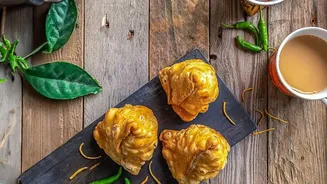
From the cool hills of Uttarakhand comes a simple yet incredibly flavourful potato dish called Aloo ke Gutke. A staple in Kumaoni cuisine, it is especially comforting during the cool, rainy weather of the mountains. The dish consists of boiled potato cubes stir-fried in mustard oil with spices. What makes it unique is the traditional tempering with jakhiya, a wild mustard seed that imparts a distinct nutty, pungent flavour, alongside dry red chillies and coriander powder. Often enjoyed as a snack with tea or as part of a meal with puris, it’s a soul-warming dish that perfectly captures the essence of the hills.
6. Bhutte ka Kees from Madhya Pradesh
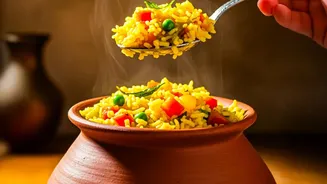
A specialty from Indore, a city famous for its street food, Bhutte ka Kees is a savoury corn dish perfect for the monsoon when corn is freshly harvested. Unlike roasted corn on the cob, this dish involves grating fresh corn and cooking it with milk, ghee, and spices like mustard seeds, cumin, and green chillies until it becomes a thick, creamy preparation. Garnished with fresh coriander, grated coconut, and a squeeze of lime juice, it offers a beautiful balance of sweet, tangy, and spicy flavours. It is a warm, comforting, and uniquely delicious way to enjoy the season's corn.
7. Ambade Udamethi from Goa
Goan cuisine shines during the monsoon with its use of seasonal ingredients, and Ambade Udamethi is a prime example. This traditional curry features ambade, or hog plums, which are tangy, seasonal fruits available during the rains. The curry is a delightful blend of sweet, sour, and spicy flavours, made with a coconut-based gravy that is seasoned with roasted fenugreek (methi) and urad dal. The sourness of the hog plum is balanced with jaggery, creating a complex and comforting dish that is typically enjoyed with steamed rice. It's a true taste of the Goan monsoon.