







The Gut-Brain Superhighway
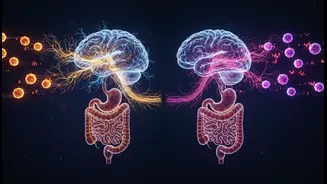
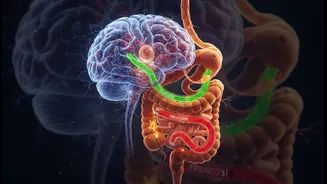
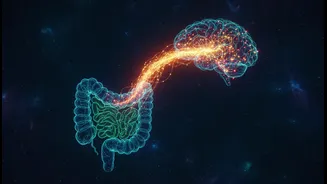
Your gut and brain are in constant communication through a complex network of nerves and hormones known as the gut-brain axis. Think of it as a biological superhighway, where information about what you've eaten travels from your digestive system to the control
centre in your head. This conversation is crucial for regulating everything from mood to, most importantly, hunger and satiety—the feeling of being full. When you consume food, your gut releases hormones that signal to the brain that you've received energy. In response, your brain is supposed to turn down the activity of hunger-promoting neurons, making you feel satisfied and telling you to stop eating. For years, it was assumed that a calorie was a calorie in this process. But recent findings are showing that this is not the case, especially when it comes to sugar.
A Tale of Two Sugars: Glucose vs. Fructose
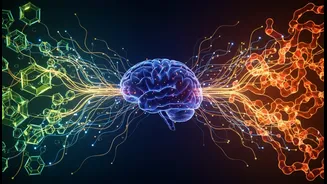
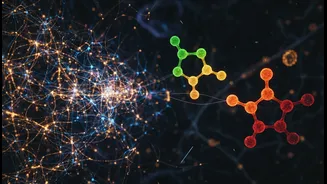
Not all sugars are created equal. The two most common simple sugars in our diet are glucose and fructose. While they have the same number of calories, our bodies and brains treat them very differently. Glucose is the body's primary fuel source, found in starchy foods like bread and pasta, and our cells use it directly for energy. Fructose, often called 'fruit sugar', is naturally found in fruits but is also a major component of added sweeteners like high-fructose corn syrup (HFCS), which is prevalent in processed foods and sugary drinks. While both are sweet, their journey after you consume them diverges significantly, leading to different instructions being sent up that gut-brain highway.
What the New Science Reveals
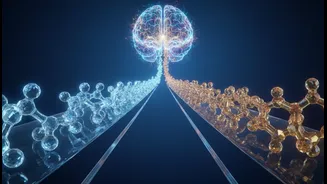
Recent research, including a notable study from the Monell Chemical Senses Center, has shed new light on this process. In studies conducted on mice, scientists found that glucose and fructose communicate with the brain through entirely separate pathways. When glucose is consumed, it sends a strong signal to the brain that powerfully suppresses the activity of hunger-promoting cells called AgRP neurons. This effectively tells your brain, "We're full, you can stop eating now." Fructose, on the other hand, tells a different story. It uses a separate pathway involving a gut hormone called PYY and the vagus nerve to communicate with the brain. However, the signal it sends is much weaker. Researchers observed that fructose was significantly less effective at quieting those same hunger neurons. In essence, even with the same caloric intake, a dose of fructose barely registers as 'satiating' in the brain's hunger control centre compared to glucose.
The 'Hungry Brain' Phenomenon
This difference in signalling helps explain the common experience of feeling unsatisfied after consuming something high in fructose. When your brain doesn't receive a strong 'fullness' signal, it continues to operate as if you're still hungry, which can drive you to eat more. This is particularly relevant in the context of modern diets, which are often high in processed foods and drinks sweetened with high-fructose corn syrup. The research also found that while fructose on its own was a weak satiety signal, a mixture of fructose and glucose (like in HFCS) was more appealing to the mice and suppressed hunger neurons more than fructose alone, which may help explain why these foods can be particularly hard to stop eating.
Making Smarter, Not Sugar-Free, Choices
Understanding this science doesn't mean you have to eliminate all sugar from your diet. The key is mindfulness about its source. Fructose found in whole fruits, for instance, comes packaged with fibre, water, and nutrients. This combination slows down digestion and promotes a feeling of fullness through physical means, mitigating the weak hormonal signal. The issue largely stems from concentrated doses of fructose found in sweeteners added to sodas, sweets, and processed meals. By being more aware of food labels and prioritizing whole foods over highly processed alternatives, you can make choices that work with your body’s natural hunger signals, not against them. Choosing foods that are higher in glucose or complex carbohydrates may leave you feeling more satisfied and in better control of your appetite.