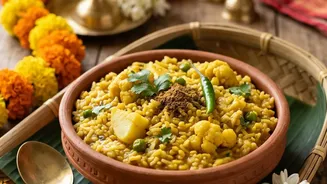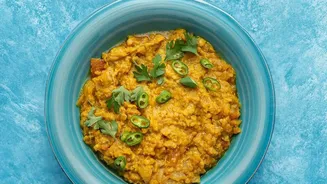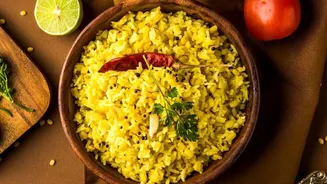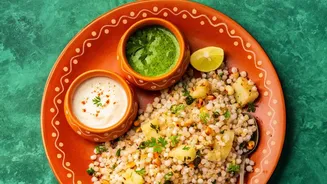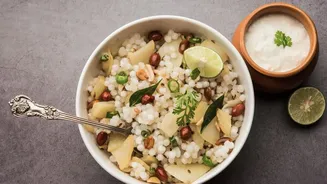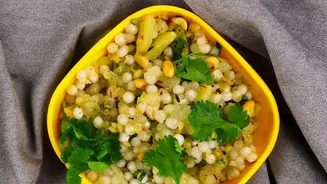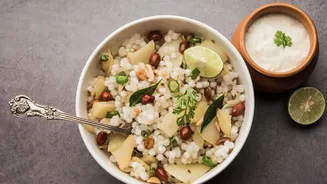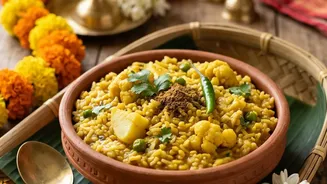


In the world of Indian comfort food, Dalia and Khichdi reign supreme. Both are hailed as wholesome, easy-to-digest meals, perfect for recovery and everyday health. But when it comes to nutrition, how do they actually stack up against each other?
The Fundamental Ingredients
The primary
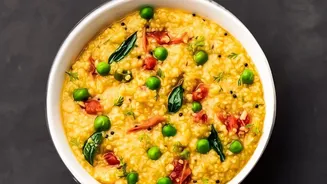
difference lies in their core components. Dalia is simply cracked or broken wheat. It is a single-ingredient whole grain, retaining its bran and germ, which are packed with nutrients. Khichdi, on the other hand, is a composite dish. Its foundation is a combination of rice, which provides carbohydrates, and lentils (most commonly moong dal), which add protein. This combination is what makes Khichdi a cornerstone of Ayurvedic diets.
Protein and Macronutrient Profile
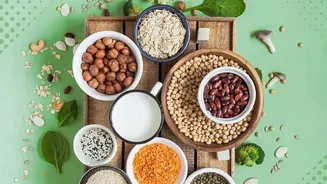
Khichdi has a unique advantage here. The pairing of rice and lentils creates a 'complete protein', meaning it contains all nine essential amino acids required by the body. This is a significant benefit, especially for vegetarian diets. Raw Dalia is also a good source of protein, with about 12 grams per 100g serving. However, it is a wheat-based protein. A basic moong dal khichdi provides a balanced mix of carbohydrates and protein in one pot. A 100g serving of dal khichdi can contain around 3-6g of protein, though this can be much higher depending on the lentil-to-rice ratio.
Fibre Content and Digestive Health
When it comes to fibre, Dalia is a clear powerhouse. As a whole grain, 100g of raw dalia packs an impressive 10-12g of dietary fibre. This high fibre content aids digestion, prevents constipation, and promotes a feeling of fullness, which is excellent for weight management. Khichdi's fibre content comes mainly from the lentils. Moong dal, known for being easy to digest, also contributes valuable fibre. However, because khichdi is often made with white rice, which has very little fibre, its total fibre content is generally lower than that of dalia unless brown rice is used.
Glycemic Index and Blood Sugar Control
The Glycemic Index (GI) measures how quickly a food raises blood sugar. Dalia shines in this category, with a low GI of around 41. This means it releases energy slowly, providing a sustained fuel source and preventing the sharp spikes and crashes associated with high-GI foods. This makes it a fantastic choice for individuals managing diabetes. The GI of khichdi is more complex. While white rice has a high GI, the addition of moong dal (which has a low GI of around 38) significantly lowers the overall GI of the meal to a moderate level. This combination slows down the absorption of sugar from the rice.
Micronutrients: Vitamins and Minerals
Both meals offer a good range of micronutrients. Dalia, being made from whole wheat, is a great source of iron, magnesium, phosphorus, and B-'vitamins like thiamine and niacin. These are crucial for energy production and overall cell function. Khichdi, thanks to its lentil component, is also rich in iron, potassium, and magnesium. Moong dal is particularly noted for being a powerhouse of nutrients that are vital for maintaining energy levels and muscle function.
The Verdict: Which One Is for You?
There is no single winner; the best choice depends entirely on your personal health goals. For Weight Management and Diabetes Control: Dalia is likely the superior option due to its higher fibre content and very low glycemic index, which promotes satiety and stable blood sugar. For Muscle Repair and a Complete Meal: Khichdi's combination of rice and dal offers a complete protein profile, making it excellent for post-workout recovery or as a balanced meal for vegetarians and vegans. For Digestive Ease and Recovery: Both are gentle on the stomach, but Khichdi, especially made with moong dal, is traditionally recommended in Ayurveda for recovery from illness due to its easy digestibility and tridoshic properties.