




From Forgotten Reels to Prime-Time Clicks
For decades, the vast majority of Bollywood's immense film library lay dormant. Beyond television reruns or special screenings, accessing films from the 1970s, '80s, or '90s was a challenge. Now, with the rise of Over-the-Top (OTT) platforms like Netflix,
Amazon Prime Video, Disney+ Hotstar, and ZEE5, that entire history is available at our fingertips. These services have moved beyond just hosting recent blockbusters. They are actively acquiring and showcasing films from past decades, effectively turning a dusty archive into a dynamic, living catalogue. This shift gives viewers unprecedented access to thousands of films, from the blockbusters of yesteryear to forgotten gems, fundamentally changing our relationship with Indian cinema's heritage.
The New Economics of Nostalgia
This cinematic revival is driven by a powerful new economic reality. For production houses, their film libraries have transformed from passive assets into a lucrative source of revenue. Multi-year licensing deals with streaming giants are now a significant part of their business strategy. Platforms, in turn, use these extensive catalogues to attract and retain subscribers. In a fiercely competitive market, a deep library of classic films offers a unique value proposition. It caters not only to older audiences seeking nostalgia but also to younger viewers curious about the foundations of modern Bollywood. This creates a win-win scenario: producers monetize their historical content, and platforms bolster their offerings to stand out in a crowded field.
Curation: The Human and Algorithmic Touch
Simply dumping thousands of films onto a service isn't enough. The magic lies in curation. OTT platforms employ a hybrid approach of sophisticated algorithms and human-led programming to guide viewers toward older content. Machine learning suggests titles based on your viewing history with 'Because you watched...' recommendations, connecting contemporary hits with their classic predecessors. At the same time, human curators create themed collections like 'Classic Comedies,' 'The Angry Young Man: Amitabh Bachchan's Best,' or 'Timeless Romances,' providing context and a pathway for discovery. This curated approach helps audiences navigate the vast library, preventing older films from getting lost and instead actively promoting their rediscovery.
A Second Life for Classic Cinema
The results of this new accessibility are already clear. A new generation of viewers is discovering the storytelling, music, and stars of previous eras. Driven by viral clips or fashion trends on social media, a young person might see a scene from a '90s film and then immediately seek out the full movie on a streaming service. Classics like 'Pyaasa' (1957) and 'Rangeela' (1995) are finding renewed traction among younger audiences. This exposure gives a second life to films that might have otherwise faded from cultural memory, introducing Gen Z to the work of legendary directors and actors. It breaks down generational barriers, allowing families to share the movies they grew up with and creating a new, shared cultural language around cinema.
Preserving and Globalizing Bollywood's Legacy
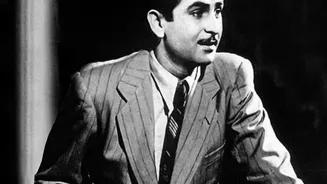
Beyond entertainment, this trend represents a crucial act of cultural preservation. By digitizing and hosting these films, OTT platforms ensure that Bollywood's history is not only saved but also made accessible on a global scale. With subtitles and dubbing, these platforms are taking regional and classic Indian cinema to an international audience that was previously unreachable. A viewer in Brazil or Japan can now explore the filmography of Raj Kapoor as easily as someone in Mumbai. This not only secures the legacy of these films but also expands the global footprint of Indian storytelling, showcasing the depth and diversity of its cinematic history to the world.