






Brakes: Your First Line of Defence
On a hill drive, your brakes work much harder than usual, especially during long downhill stretches. Constant braking can cause them to overheat and become less effective, a dangerous situation known as brake fade. Before you go, check your brake fluid
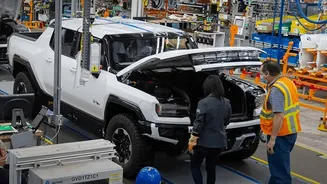
level and listen for any squealing or grinding noises when you press the pedal. If you notice any vibrations, a spongy feel, or if the car pulls to one side when braking, it's crucial to have them inspected by a professional. A mechanic can check the thickness of your brake pads and the condition of the rotors, ensuring they have enough life left for the demanding journey ahead. This is one check you cannot afford to skip.
Tyres: The Only Thing Connecting You to the Road
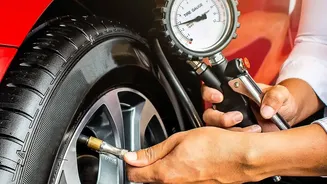
Your tyres are your single point of contact with the road, and their condition is critical for grip and stability on winding routes. Before your trip, inspect all four tyres for adequate tread depth. Worn tyres can seriously compromise traction on wet or loose surfaces. Also, check the tyre pressure when the tyres are cool. Properly inflated tyres are essential for handling, fuel efficiency, and safety. You can find the manufacturer's recommended pressure on a sticker inside the driver's side door frame. Don't forget to inspect the spare tyre to ensure it's properly inflated and ready in case of an emergency.
Engine Oil and Coolant: Beating the Heat
Climbing steep hills puts significant strain on your engine, causing it to work harder and generate more heat. A healthy cooling system is vital to prevent overheating. Check your engine coolant level and top it up if necessary. Also, inspect the hoses for any cracks or leaks. Fresh engine oil is equally important for engine performance, especially under demanding conditions. Check your oil level using the dipstick and ensure it's clean and at the correct level. If you're close to your next scheduled oil change, it's wise to get it done before you leave.
Lights and Wipers: For Clear Views
Weather in the hills can be unpredictable. You might encounter fog, sudden rain, or find yourself driving after dusk. Ensure all your vehicle's lights are working correctly – headlights, taillights, brake lights, and turn signals. Good visibility is non-negotiable. Similarly, check the condition of your wiper blades. If they are cracked, brittle, or leave streaks on the windshield, replace them. Top up your windshield washer fluid so you can easily clear away any dust or grime that might obstruct your view during the drive.
Battery and Belts: The Heart of Your Vehicle
A dead battery can leave you stranded in a remote location with no easy way to get help. Check that the battery terminals are clean, tight, and free of corrosion. If your battery is more than a couple of years old or has been showing signs of weakness, like slow starts, it's a good idea to have it tested by a professional before your trip. Also, take a moment to visually inspect the engine belts and hoses. These rubber components can become brittle and crack under stress and heat, and a failure can disable your vehicle's essential systems.
The Emergency Kit: Your Roadside Insurance
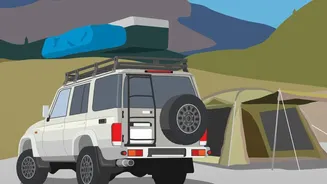
Even the best-maintained car can run into trouble. An emergency kit is a must-have for any road trip, especially in the hills where help might be far away. Your kit should include jumper cables, a first aid kit, a flashlight with extra batteries, and some basic tools. It's also wise to pack extra water, non-perishable snacks, and important documents like your vehicle's registration and insurance card. Ensure you have the tools to change a flat tyre and that you know how to use them. A portable phone charger or power bank is also a crucial addition.