






The Allure of Living Decor
In the bustling chaos of city life, our homes have become our sanctuaries. We crave a connection to nature, a touch of calm, and a sense of life. This is where glass vessel propagation shines. It’s more than just having a houseplant; it's about participating
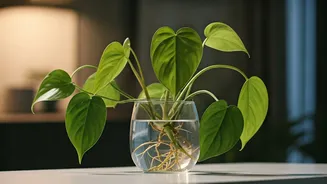
in its growth. Watching the delicate, white roots unfurl in the water is a slow, meditative process. It's a tiny, dynamic sculpture that changes daily, catching the light on a windowsill or adding a pop of green to a bookshelf. This trend, deeply rooted in the principles of biophilic design, suggests that a visual connection with nature can reduce stress and improve well-being. For apartment dwellers in Mumbai, Bengaluru, or Delhi, where private gardens are a luxury, creating these miniature water gardens is an accessible way to embrace greenery.
Why the Philodendron Is Your Perfect Partner
While many plants can be propagated in water, the philodendron is arguably the star of the show. Why? It is incredibly forgiving, making it perfect for beginners. These plants are not fussy about light and can tolerate a bit of neglect. Their vining nature means a single cutting can quickly produce a beautiful, trailing stem that looks stunning cascading from a shelf. Most importantly, they root with impressive speed and reliability in water. In India, several varieties are cheap and widely available. The classic Heartleaf Philodendron (Philodendron hederaceum) with its perfect heart-shaped leaves is a go-to. For a splash of colour, look for the Philodendron Brasil, which has strokes of yellow and lime green on its leaves. Even the common Money Plant (Epipremnum aureum), often mistaken for a philodendron, works beautifully and follows the exact same principles.
Your Step-by-Step Propagation Guide
Ready to create your own? It’s simpler than you think. First, you need a cutting. Look for a healthy vine on a mother plant and find a “node”— a small bump on the stem where a leaf grows. This is where new roots will emerge. Using clean scissors or shears, snip about a centimetre below a node, ensuring your cutting has at least one or two leaves. Remove any leaf that would be submerged in water to prevent it from rotting. Next, find your vessel. Old jam jars, glass bottles, or simple test tubes work perfectly. The clearer the glass, the better you can watch the root development. Fill the vessel with room-temperature water (filtered or tap water left out for 24 hours is ideal) and place your cutting inside. Make sure the node is submerged but the leaves are not.
Caring for Your New Green Friend
Your job is mostly to wait and watch. Place your glass vessel in a spot that receives bright, indirect sunlight. A north or east-facing window is perfect. Direct, harsh sunlight can scorch the leaves and promote algae growth in the water. Speaking of water, it’s important to keep it fresh. Change the water every 3-5 days, or whenever it looks cloudy. This provides oxygen to the developing roots and prevents bacterial growth. In a week or two, you should see tiny white nubs emerging from the node. These will slowly lengthen into a beautiful, intricate root system. This is the magic of propagation—witnessing new life emerge from something so simple. There's no rush; just enjoy the process.
Styling Your Propagation Station
The final step is turning your science experiment into a design statement. The beauty of this aesthetic lies in its versatility. A single cutting in a minimalist bottle on your work desk adds a touch of life to your daily grind. Group several jars of varying heights and shapes on a floating shelf or a windowsill to create a stunning “propagation station.” Weave the vines around a picture frame or let them trail down the side of a bookshelf. You can mix and match different philodendron varieties for a richer texture. The transparency of the glass keeps the look light and airy, making it ideal for small spaces. It’s a sustainable, ever-evolving, and deeply personal way to decorate, proving that the most beautiful things in our homes don't have to be bought—they can be grown.