




The Magic of Melon Seeds (Magaz)
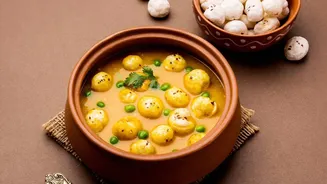
Often sold as 'magaz', shelled seeds from watermelons, muskmelons, and cantaloupes are a traditional powerhouse for creating creamy, neutral-flavoured bases. This blend, sometimes called 'char magaz' (four seeds), is a cornerstone of Mughlai cuisine,
prized for its ability to thicken gravies without overpowering them. To use them, soak the seeds in warm water for at least 30 minutes, then drain and blend them with a little fresh water until you have a smooth, fine paste. This paste can be stirred into your curry base of onions and tomatoes, where it cooks down to create a velvety texture. Because its flavour is so mild, it's a versatile choice that works well in both vegetable kormas and chicken curries, providing body and richness that beautifully mimics dairy cream.
The Ever-Reliable Cashew Paste
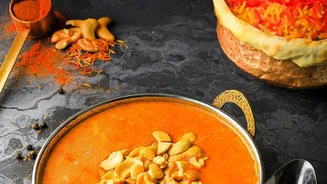
Cashew paste is perhaps the most popular dairy-free creamer in modern Indian cooking, beloved for its rich, buttery texture and subtly sweet flavour. Raw cashews, when soaked and blended, create a paste that is remarkably similar to heavy cream. The process is simple: soak raw, unsalted cashews in hot water for at least 30 minutes (or overnight in cold water), drain, and blend with a small amount of fresh water until completely smooth. This paste is incredibly versatile and forms the base for many restaurant-style dishes, from a creamy Tikka Masala to a rich Navratan Korma. Its neutral yet rich profile allows the spices to shine while providing a luxurious mouthfeel.
Creamy Coconut, A Coastal Classic
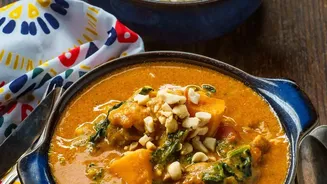
For dishes from South India, particularly from Kerala and coastal regions, coconut is the undisputed king of creaminess. Both coconut milk and freshly ground coconut paste lend a lush, slightly sweet character to curries. Full-fat coconut milk adds instant body and a soothing flavour that pairs wonderfully with spicy and tangy notes from ingredients like tamarind and black pepper. For an even thicker, richer texture, you can use coconut cream, which is the dense layer that rises to the top of a can of full-fat coconut milk. Coconut-based curries, such as vegetable stews (ishtew), fish moilee, and many Thai-inspired Indian dishes, rely on this ingredient for their signature silky finish.
The Earthy Depth of Poppy Seeds
White poppy seeds, known as 'khus khus' in Hindi or 'posto' in Bengali, are another traditional thickener. They impart a unique, nutty, and earthy flavour to gravies along with a thick, creamy consistency. To prepare poppy seeds, you must soak them in warm water for at least a few hours to soften their tough outer layer. After soaking, they are ground into a fine paste, often with green chillies or other spices. This paste is a star ingredient in Bengali cuisine and is also used in certain Mughlai dishes like chicken curries. The resulting gravy is dense and flavourful, with a distinctive character that is both rich and aromatic.
The Subtle Richness of Almonds
Similar to cashews, almonds can be transformed into a creamy paste that adds body and richness to curries. For the smoothest, palest cream, it's best to use blanched almonds (almonds with the skin removed). Soak them in water, then blend into a fine paste. Almond cream has a slightly more pronounced nutty flavour than cashew cream, but it works beautifully in rich, royal dishes like Shahi Paneer or other Mughlai preparations. In many recipes, almonds and cashews can be used interchangeably or together to create a complex, layered creaminess.
A Modern Twist with Silken Tofu or Soy Cream
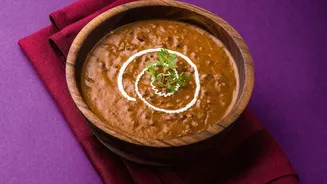
For a less traditional but highly effective option, silken tofu provides a fantastic source of plant-based creaminess. Blended until smooth, it creates a neutral, high-protein base that can be stirred into sauces at the end of cooking. It’s an excellent way to add a creamy texture without the fat content of nuts or coconut milk. Soy cream, a vegan alternative made from soy milk, can also be used as a direct replacement for dairy cream in any curry. It works particularly well in robustly spiced dishes like Chana Masala or Dal Makhani, where its primary role is to add a smooth finish and balance the heat.