


The Great Indian Cloud Cover
For amateur astronomers across India, the period from June to September can feel like a cosmic waiting game. The southwest monsoon blankets most of the country in cloud, making it the most challenging season for stargazing. While that expensive new telescope
or high-end camera might seem like the next big step for your hobby, the reality is that clear skies are the most precious commodity. The post-monsoon months of October and November are often considered the golden window for observation, as the rains wash dust and pollutants from the atmosphere, leaving behind exceptionally clear air. Similarly, the dry winter months from December to February offer excellent conditions, though fog can be an issue in the Indo-Gangetic plain. This recurring cycle of cloudy skies forces enthusiasts to find creative ways to keep their passion burning.
Turn Your Gaze Inwards: The Digital Cosmos
When the sky outside is unavailable, the universe on your screen is always open. The monsoon is the perfect time to master new skills. Free software like Stellarium can turn your laptop or phone into a powerful planetarium, allowing you to learn constellations, track planetary movements, and plan future observation sessions for when the skies clear. You can simulate the night sky from any location on Earth at any time, making it a powerful learning tool. Many amateur astronomers use this downtime to process images captured during clearer seasons, experimenting with software to bring out the faint details of a nebula or galaxy. It’s a different kind of stargazing, one that hones your technical skills and deepens your understanding of celestial objects.
Join the Virtual Star Party
You're not alone in your cloud-induced frustration. Astronomy clubs across India are highly active during the monsoon, shifting their focus from field trips to online engagement. Organizations like the Bangalore Astronomical Society and others frequently host free webinars, workshops, and lectures on a range of topics, from astrophotography techniques to deep dives into astrophysics. These virtual gatherings are a fantastic way to connect with a community of like-minded individuals, ask questions, and learn from experienced astronomers without leaving your home. Many clubs have active online forums and chat groups that provide a platform for discussion and knowledge sharing year-round, regardless of the weather.
Plan Your Astro-Tourism Escape
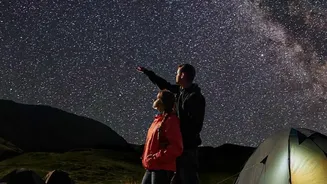
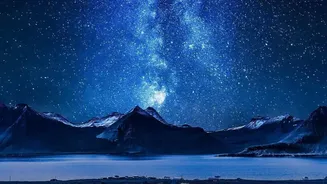
The monsoon doesn’t have to mean a complete halt to observation; it can be a time for strategic planning. Use the rainy months to research and plan a trip to one of India's incredible dark-sky locations for the peak season. While most of the country is cloudy, rain-shadow regions like Spiti Valley and Ladakh offer clearer skies even in July and August. For the post-monsoon and winter seasons, consider destinations like the Rann of Kutch in Gujarat, Hanle in Ladakh (India’s first certified Dark Sky Reserve), or sites in the Western Ghats like Coorg. Planning your trip around a new moon phase will ensure the darkest possible skies, maximizing your chances of a breathtaking view of the Milky Way.
Rethink Your Gear
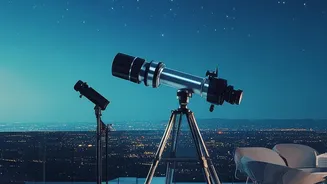
The headline is right: you probably don't need that bigger, more expensive telescope right now. Instead, think about what gear serves you best during the brief, unpredictable clear patches that can occur during the monsoon. A good pair of binoculars is often more practical for a quick look at the Moon or planets than a large telescope that takes time to set up. This is also a great time to master the basics of astrophotography with a simple DSLR and tripod. You can practice techniques on cityscapes or during brief clearings, learning about exposures and settings. The goal during the monsoon isn't necessarily deep-sky observation, but staying connected to the hobby and being ready for those fleeting moments of clarity.