




A Kingdom of Infinite Variety
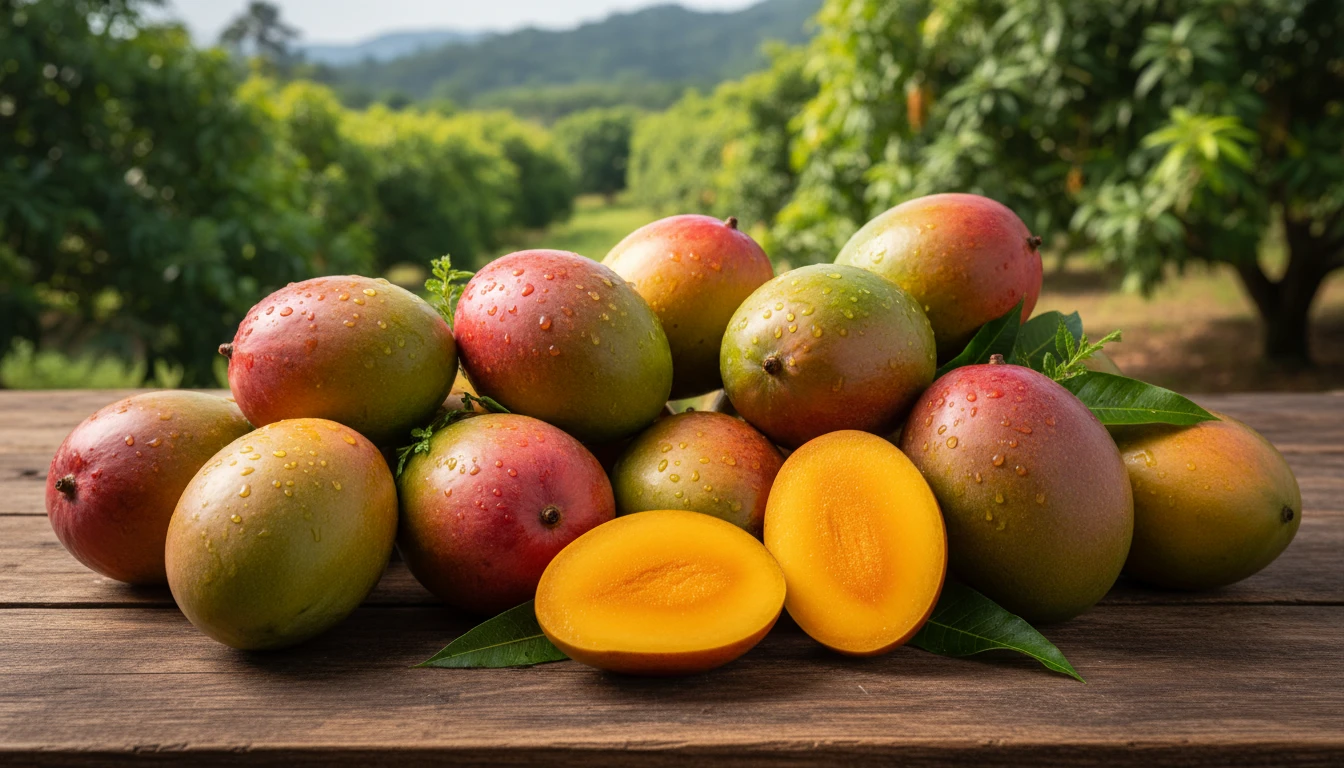
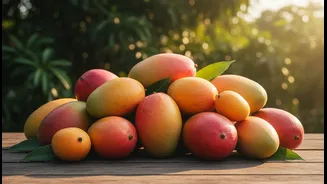
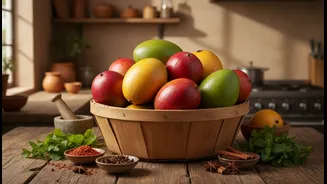
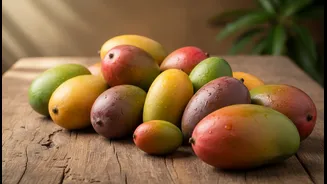
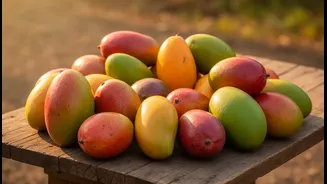
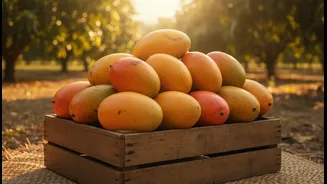
India is the undisputed heartland of the mango, boasting an astonishing number of varieties, with estimates ranging from 1,000 to over 1,500. While commercial varieties like the world-famous Alphonso, the sweet Kesar, and the fibreless Dasheri dominate
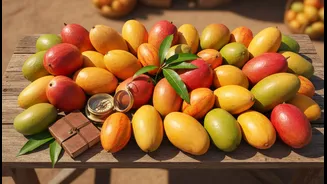
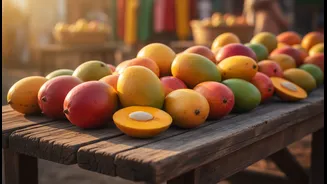
the national conversation, they represent only a fraction of the country's mango wealth. Each region nurtures its own heirlooms, from the tangy Langra of Uttar Pradesh that stays green when ripe, to the large, golden Banganapalli of Andhra Pradesh, and the distinctly shaped Totapuri, which resembles a parrot's beak. Beyond these are hyper-local gems, sometimes known only to a single district or village, with evocative names like Samar-e-Behisht (Fruit of Heaven) from Lucknow or the gigantic Fazli from West Bengal. This incredible biodiversity is a living library of flavours, textures, and aromas cultivated over millennia.
More Than Just a Fruit
The mango's significance in India transcends the culinary. It is deeply woven into the cultural and spiritual fabric of the nation. Ancient Vedic texts mention the fruit, and it appears in Hindu and Buddhist mythology as a symbol of love, prosperity, and wisdom. Mango leaves are considered auspicious and are often strung across doorways during festivals and weddings to usher in good fortune. For centuries, the fruit has been celebrated in art, literature, and poetry, praised by emperors and commoners alike for its divine sweetness. This deep-rooted connection explains why the mango is revered not just as a crop, but as a cherished part of India's identity and heritage.
The Festival as a Living Archive
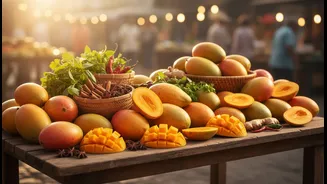
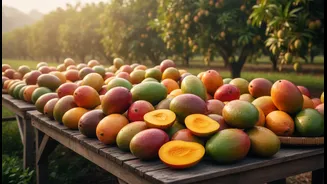
This is where mango festivals play a vital role. Far from being mere food fairs, these events, held across the country from Delhi to Lucknow, are crucial platforms for conservation and education. Festivals provide a rare opportunity for the public to see, taste, and learn about dozens, sometimes hundreds, of varieties they would never encounter in a supermarket. They serve as a meeting ground for farmers, horticulturists, scientists, and mango enthusiasts to exchange knowledge, discuss cultivation techniques, and celebrate their shared passion. For farmers, especially those cultivating rare or non-commercial types, these festivals offer a direct market and invaluable visibility, encouraging them to continue growing these unique heirloom varieties.
A Sweet Defence Against Extinction
The need for such preservation efforts has never been more urgent. India's incredible mango diversity faces threats from multiple directions. Climate change, with its erratic weather patterns, unseasonal rains, and rising temperatures, disrupts the delicate flowering and fruiting cycles of mango trees, affecting both yield and quality. Furthermore, market pressures often favour a handful of commercially viable varieties, leading farmers to abandon traditional, less productive, or less-known types. Insect pests also pose a significant and growing threat to production. Mango festivals act as a powerful counter-narrative, generating public interest and creating economic incentives that help keep this genetic diversity alive. By showcasing everything from pickle-specific 'appemidi' varieties to obscure local specialities, they remind us of what we stand to lose.