



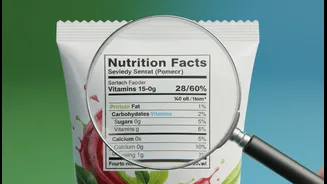


The 'Natural' Promise: What Does It Really Mean?
The word ‘natural’ evokes images of sun-drenched fields and wholesome ingredients. Marketers know this, and they use the term liberally. However, in India, ‘natural’ is largely an unregulated marketing term. The Food Safety and Standards Authority of India (FSSAI)
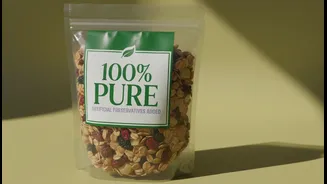
has guidelines, but they are not as strict as those for terms like ‘organic’. A product labelled ‘natural’ can still contain processed ingredients, preservatives, and artificial flavours. In fact, FSSAI has had to issue notices to companies for making misleading “100% Natural” claims on products that contained synthetic additives. The presence of the word 'natural' on the front of a package is not a guarantee of purity; it is an invitation to read the ingredients list on the back.
Decoding the 'Premium' Price Tag
If ‘natural’ is about purity, ‘premium’ is about perceived value. A product might be labelled ‘premium’ because of its imported origin, sophisticated packaging, or branding that suggests luxury and exclusivity. For a growing number of aspirational Indian consumers, especially young shoppers, paying more for better quality is a rising trend. However, ‘premium’ does not automatically mean healthier or superior in nutritional value. A premium biscuit may come in a fancy box but could have the same or even more refined sugar and fat than its standard counterpart. The premiumisation trend is real, with many willing to pay more for what they believe is better, but it's crucial to determine if the extra cost is for better ingredients or just better marketing.
Why This Distinction Matters for You
For young shoppers on a budget, the price difference between a ‘premium’ and a standard item can add up significantly over a month’s worth of groceries. Paying extra for fancier packaging instead of better nutrition is a poor investment. For everyday grocery buyers responsible for their family’s health, the stakes are even higher. Choosing a ‘natural’ snack loaded with hidden sugars and preservatives over a simpler, truly healthier alternative can have long-term health consequences. The goal is to get the best value for both your wallet and your well-being, which requires looking beyond the marketing claims that dominate the front of the pack.
Your Guide to Smarter Shopping
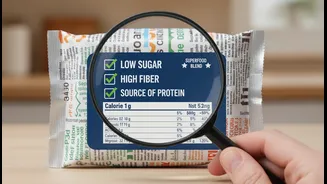
Becoming a savvy shopper is a skill. It’s not about distrusting every brand, but about verifying claims. Here are four simple rules to follow: 1. Ignore the Front, Read the Back: The front of the package is advertising. The ingredients list and the nutritional information panel are the facts. Ingredients are listed by weight, so the first few items make up most of the product. 2. Question Buzzwords: Be skeptical of vague terms like ‘wholesome’, ‘real’, and ‘genuine’. These words have little to no regulatory meaning. Instead, look for concrete certifications, like the FSSAI’s ‘Jaivik Bharat’ logo for organic products, which is strictly regulated. 3. Compare Unit Prices: Don’t just compare the total price. Look at the price per 100g or per piece to see which product is truly more affordable. A larger, non-premium pack is often cheaper than a smaller, fancier one. 4. Understand 'Organic': Unlike ‘natural’, the term ‘organic’ is legally defined and regulated in India. If a product claims to be organic, it must have a certification logo to prove it. This is a much stronger guarantee of its production standards.