





What Exactly Is a Cool Roof?
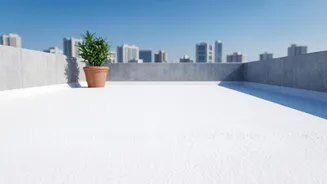
Think of it like choosing your clothes on a hot day. A black shirt absorbs sunlight and makes you feel warmer, while a white shirt reflects it and keeps you cooler. A cool roof works on the same principle. Unlike traditional dark roofs that absorb the sun's
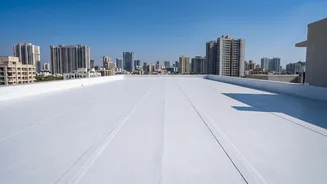
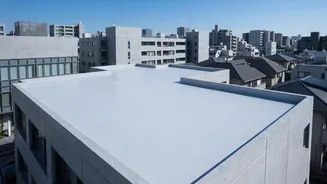
radiation and transfer heat into the building, a cool roof uses reflective materials—like special paints, tiles, or membranes—to bounce sunlight back into the atmosphere. These materials are measured by two key properties: high solar reflectance (reflecting sunlight) and high thermal emittance (releasing any absorbed heat efficiently). The combination makes the roof surface, and consequently the building below, significantly cooler.
The Science of Lower Electricity Bills
The primary benefit for any homeowner or business is the direct impact on energy costs. By preventing a large amount of solar heat from entering the building, cool roofs drastically reduce the need for air conditioning. Studies show that this can lower cooling energy consumption by 7% to 15%, and in some cases, even more. With less heat getting in, your AC unit doesn't have to work as hard or run as long to maintain a comfortable indoor temperature. This not only leads to lower monthly electricity bills but also reduces the strain on the air conditioning system, potentially extending its lifespan. Over time, the accumulated savings can be substantial.
A Weapon Against the Urban Heat Island
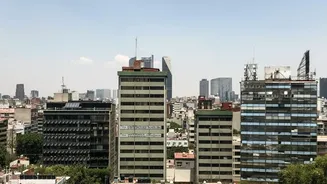
The benefits of cool roofs extend beyond individual buildings to the entire city. India's metros suffer from the 'urban heat island' effect, where dense concentrations of concrete, asphalt, and dark rooftops absorb and trap heat, making cities several degrees hotter than surrounding rural areas. This trapped heat elevates temperatures, worsens air quality by accelerating smog formation, and puts immense pressure on the electrical grid during heatwaves. Widespread adoption of cool roofs can directly combat this. By reflecting sunlight, entire neighbourhoods can become cooler, lowering the ambient air temperature for everyone and reducing the overall energy demand of the city.
Are They Truly Low-Cost and Sustainable?
The headline's claims of being 'low-cost' and 'sustainable' hold up well. The most affordable option is a reflective white coating, which can be applied to many existing roofs. While there is an upfront cost, the long-term energy savings often provide a strong return on investment. The sustainability factor is twofold. Firstly, by cutting energy demand for cooling, cool roofs reduce the greenhouse gas emissions from power plants that burn fossil fuels. Secondly, by reflecting solar radiation, they provide a direct cooling effect that helps mitigate global warming. Many materials used are also durable, extending the life of the roof itself by protecting it from harsh UV radiation.
Cool Roofs Taking Off in India
This is not just a theoretical concept; it's being implemented across India. Cities like Ahmedabad and Hyderabad have pioneered cool roof programmes as part of their Heat Action Plans. In pilot projects in cities like Jodhpur, Bhopal, and Surat, simple reflective coatings on slum housing lowered indoor temperatures by 2°C to 5°C. Taking it a step further, Telangana introduced India's first statewide Cool Roof Policy in 2023, mandating them for new government, commercial, and large residential buildings. Tamil Nadu is also scaling up cool roof initiatives in government schools after successful pilots showed significant temperature reductions in classrooms. These initiatives demonstrate a growing recognition of cool roofs as a critical tool for climate adaptation.