





More Than a Catwalk
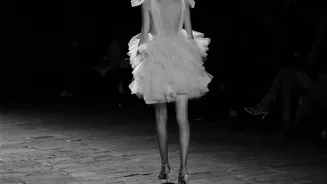
For years, the formula for a couture show has been elegantly simple: a raised platform, a curated audience, and a procession of exquisite garments. But this season, a fundamental shift occurred. Several of India’s leading couturiers decided the story
of their clothes was too grand to be contained by a runway. They chose instead to build worlds. The focus moved from a fleeting glimpse of a model striding past to creating an environment where guests could immerse themselves in the narrative behind the collection, proving that the future of luxury is not just about what you wear, but the story you inhabit.
The Immersive Exhibition Model
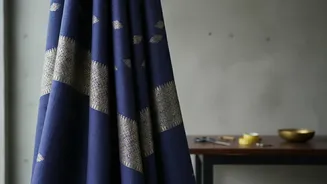
Leading this charge was veteran designer Tarun Tahiliani, who skipped a conventional show altogether. At Bikaner House, he presented 'Navaratna,' an immersive exhibition that transformed the heritage property into a series of curated rooms. Instead of a seven-second walk-by, guests were invited to wander through spaces featuring projection mapping, multimedia storytelling, and digital installations that provided a backdrop for the clothes. This format allowed the craftsmanship to be the hero; attendees could pause, observe the intricate embroidery up close, and truly experience the hours of handwork woven into each piece. Tahiliani himself noted that technology was used not to replace craftsmanship, but to elevate it, providing a new way to honour heritage.
Space as the Storyteller
The use of space to define a collection's narrative was a powerful theme. Anamika Khanna made a historic move by opening couture week not in Delhi, but at the magnificent Taj Falaknuma Palace in Hyderabad. The 19th-century Nizam palace wasn't just a venue; its candlelit corridors and regal architecture became an integral part of her 'Moonlit Palace' collection, anchoring the craft in a site of genuine historical significance. This decision underscored a key trend: the environment is now part of the message, with designers thoughtfully selecting and transforming spaces to reflect their creative vision, from palatial off-site shows to intricately designed sets that journeyed from Rome to Paris.
Tech Meets Tradition
So, why this pivot to experiential showcases now? It reflects a broader shift in luxury. In a world saturated with digital images, designers are seeking deeper ways to connect with their audience. The goal is to create a memory, a feeling that lasts long after the show ends. By using 'Quiet Tech'—seamlessly integrated digital elements—brands can enhance a client's relationship with a garment without overshadowing the human touch. This approach allows Indian couturiers to bridge the gap between their deep-rooted artisanal excellence and a contemporary, global language of luxury, telling stories of heritage, travel, and identity in new and compelling ways.
Beyond the 'Wow' Factor
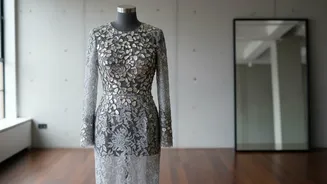
While the spectacle was breathtaking, the most successful presentations ensured the clothes remained the focal point. At Tahiliani's exhibition, digital scenography was used around the garments, but never on them, ensuring the focus stayed on the construction and detail. The challenge for designers is to balance the immersive experience with the primary purpose of showcasing couture. The risk is that the technology can become a gimmick, a 'wow' factor that ultimately distracts from the fashion itself. However, this season proved that when done thoughtfully, using space and projection is not about distraction, but about depth. It gives context, adds emotional resonance, and allows the intricate stories of Indian craftsmanship to be seen and felt more powerfully than ever before.