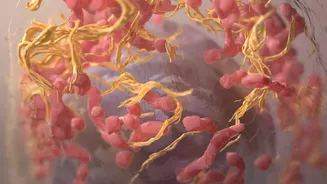







The idea of a 'vaccine for cancer' is moving from science fiction to reality, and a startup in Hyderabad is at the forefront. PopVax is using AI to create personalised mRNA treatments, a major leap for India's biotech industry.
A New Kind of Vaccine
First, it is important to
understand that these are not preventative vaccines like the ones for measles or HPV. Instead, they are therapeutic treatments for people who already have cancer. The technology uses messenger RNA (mRNA), which became a household name during the COVID-19 pandemic. In simple terms, mRNA carries a set of instructions. For a cancer vaccine, these instructions teach your own immune system how to recognise and attack the unique proteins, called neoantigens, found only on your specific cancer cells. Because every person's tumour has a different genetic makeup, the vaccine must be completely personalised.
Hyderabad's High-Tech Hope
Enter PopVax, a biotechnology startup founded in Hyderabad in 2021 by Soham Sankaran. The company is making waves by combining three cutting-edge fields: tumour genetic sequencing, AI, and mRNA technology. To accelerate their work, PopVax recently launched the 'RNA Foundry', a dedicated research and manufacturing facility in the city. This integrated approach, with support from prominent international backers, places the Indian firm in a global race to revolutionise cancer care. PopVax aims to leverage this facility to design and produce numerous personalised vaccine candidates, positioning Hyderabad as an emerging hub for advanced RNA therapeutics.
How AI Is the Secret Sauce
Creating a personalised vaccine is a massive data challenge, and that is where artificial intelligence becomes critical. The process starts by sequencing a sample of a patient's tumour to identify all its unique genetic mutations. The sheer volume of mutations makes it nearly impossible for humans to determine which ones will trigger the strongest immune response. PopVax's AI platform analyses this complex data to predict which neoantigens are the best targets for the vaccine. AI also helps optimize the mRNA instructions for maximum stability and effectiveness. This computational power dramatically speeds up the design phase, making a truly individualised treatment feasible.
The Long Road Ahead
Despite the immense promise, it is crucial to manage expectations. As of late 2026, no personalised mRNA cancer vaccine has been approved for routine use in India or anywhere else in the world. These treatments are still in the experimental phase and are only accessible through clinical trials. PopVax's cancer program is in the preclinical stage, meaning it is still being developed and tested in labs before it can move to human trials. The journey from a promising candidate to an approved treatment is long, complex, and expensive, typically taking many years and facing significant regulatory hurdles. The success of global frontrunners, who are in later-stage trials for cancers like melanoma, offers hope but also highlights the rigorous validation required.
A Game-Changer for Indian Biotech
Regardless of the timeline for a market-ready product, the work being done at PopVax represents a significant milestone. It marks a shift for the Indian pharmaceutical industry, which is globally known for manufacturing prowess, towards pioneering fundamental research and development in highly advanced fields. By building capabilities in AI-driven drug design and mRNA manufacturing, the company is not only contributing to the global fight against cancer but also fostering a domestic ecosystem for innovation. This move into deep-tech R&D could pave the way for future breakthroughs in treating a range of diseases, solidifying India's position on the world's biotechnology map.