



The Post-Monsoon Deception
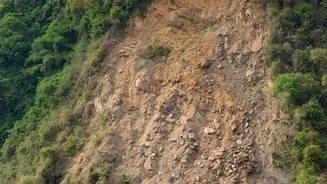
It’s a common misconception that landslide risk vanishes with the last of the monsoon clouds. In reality, the post-monsoon period can be equally hazardous. Months of heavy rainfall saturate the soil and rock, filling every pore and crack with water. This
saturation dramatically reduces the friction that holds slopes together. Even when the weather is sunny, the ground is often still waterlogged, unstable, and heavy. It doesn't take much—a minor tremor, further erosion, or even just gravity—to trigger a collapse. This delayed effect means a perfectly clear day can still see sudden and catastrophic landslides on slopes that appear solid.
Know the High-Risk Zones
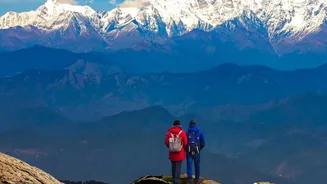
While the entire Himalayan range is geologically active and prone to landslides, certain areas are particularly vulnerable, especially after the monsoon. States like Uttarakhand and Himachal Pradesh, along with the northeastern regions of Sikkim and Darjeeling, are known hotspots. These areas combine steep terrain, fragile geology, and often, the impact of human activity like road construction, which can further destabilise hillsides. Popular tourist and pilgrimage routes in these states frequently pass through landslide-prone zones. According to the Geological Survey of India (GSI), about 12.6% of India's landmass is susceptible to landslides, with the majority concentrated in the Himalayan and northeastern regions.
How to Plan a Safer Trip
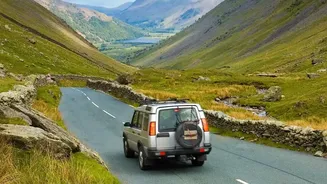
Preparation is your best defence. Before you even pack your bags, make your itinerary flexible. Build in buffer days to account for potential road closures or delays. Check official sources like the India Meteorological Department (IMD) and state disaster management authority websites for weather alerts and advisories. When booking transport, opt for reputable operators and, if possible, travel in daylight hours when visibility is better. Ensure your travel insurance covers trip disruptions and medical emergencies. Finally, download offline maps and save emergency contact numbers, as mobile networks in remote valleys can be unreliable.
On-the-Ground Warning Signs
Once you are on your journey, stay vigilant and learn to spot signs of instability. Look for new cracks appearing in roads or hillsides, leaning trees or utility poles, and small, trickling rockfalls that can precede a larger slide. Another key indicator is a sudden change in water flow; streams that abruptly become muddy or significantly increase or decrease in volume can signal ground movement upstream. Always listen to the advice of local drivers, guides, and residents—they possess invaluable knowledge of the terrain and its behaviour. Never stop or linger in areas directly below steep, exposed slopes or recently cut sections of road.
If You Encounter a Landslide
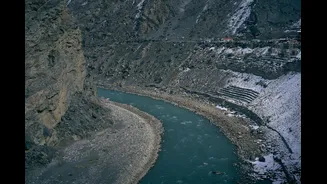
If you are caught near a landslide, your immediate priority is to move away from its path. Do not try to outrun it downhill. Instead, move sideways, away from the flow of debris, and try to get to higher ground as quickly as possible. If you are inside a vehicle, get out immediately and move to a safer location. If you're indoors during a landslide warning or event, move to the highest floor of the building and away from the slope-facing side. Once you are in a safe location, follow the instructions of local authorities and emergency responders. Avoid riverbanks and low-lying areas, as landslides can dam rivers and cause subsequent flash floods.