




Beyond Traditional Vegetarianism
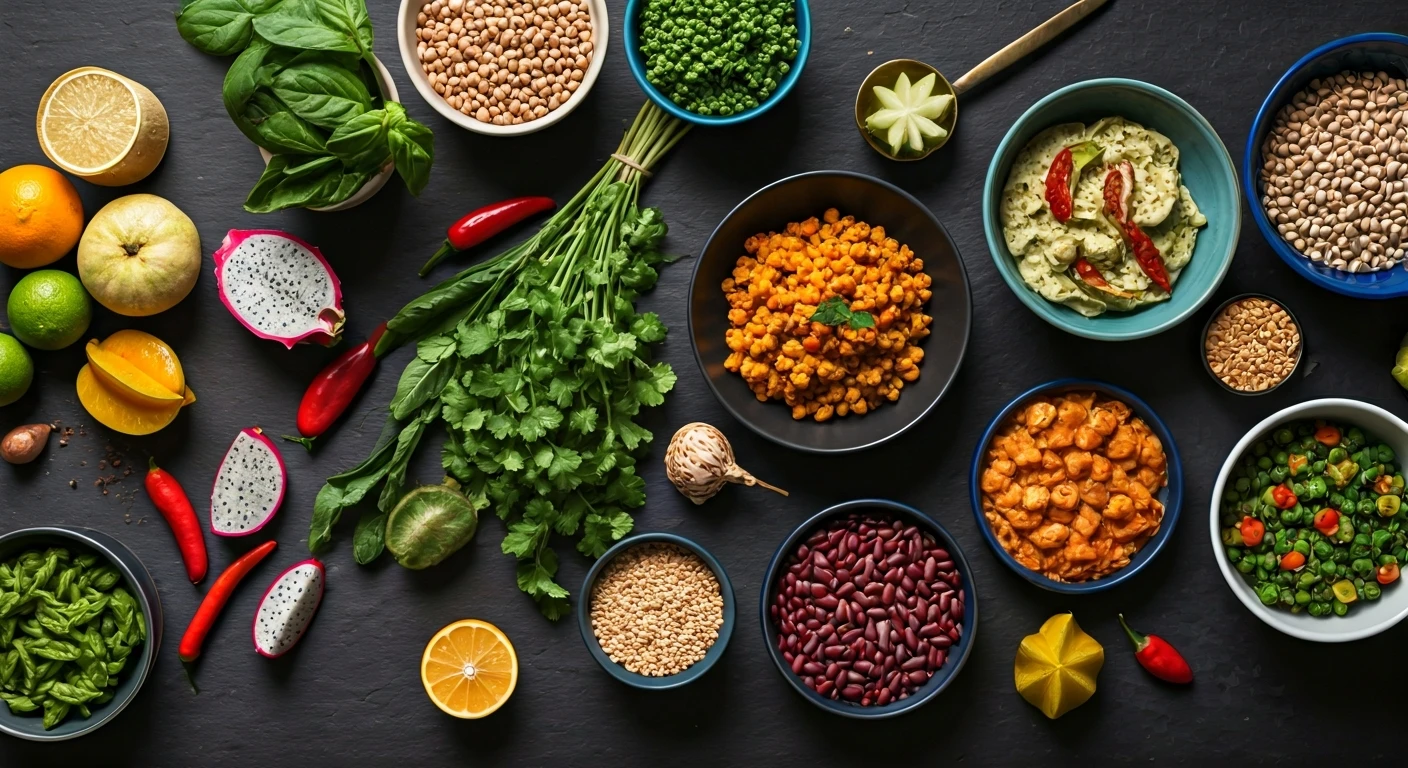
For generations, the Indian diet has been rich with vegetarian options, built around lentils, vegetables, grains, and dairy. But a new wave of food innovation is moving beyond these staples. We are now in the era of plant-based 'meat' — products engineered
from plants like soy, peas, and jackfruit to meticulously replicate the taste, texture, and sizzle of animal meat. This isn't about creating another vegetarian dish; it's about providing a nearly identical alternative for dishes that traditionally require meat, catering to a growing demographic of 'flexitarians' who want to reduce their meat consumption without sacrificing their favourite flavours.
The Science on Your Plate
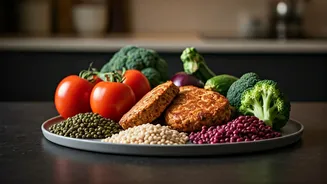
So, how does a plant become 'mutton'? The magic lies in food science and technology. Companies use processes like high-moisture extrusion, where plant proteins are heated, pressurised, and cooled to create the fibrous, chewy texture of muscle tissue. Natural flavourings, binders like methylcellulose, and fats from coconut or sunflower oil are added to mimic the juiciness and mouthfeel of meat. For colour, they might use beetroot extract to give a burger patty a reddish 'rare' look that 'cooks' to brown. Indian startups like GoodDot, Blue Tribe Foods, and Imagine Meats (backed by Riteish and Genelia Deshmukh) are at the forefront, using everything from pea protein to soy to craft everything from sausages to plant-based chicken chunks.
Why the Sudden Boom?
This culinary shift is fuelled by a perfect storm of factors. Firstly, health consciousness is on the rise. Post-pandemic, many consumers are more aware of their dietary choices, seeking to lower cholesterol and reduce their intake of processed meats. Secondly, environmental awareness has grown exponentially. The significant carbon and water footprint of industrial animal farming is a major concern for younger generations, who see plant-based diets as a more sustainable choice. Lastly, there's the ethical dimension, with a growing number of people uncomfortable with animal slaughter. This trifecta of health, environment, and ethics has created massive demand for better, tastier alternatives.
From Startups to Star Menus
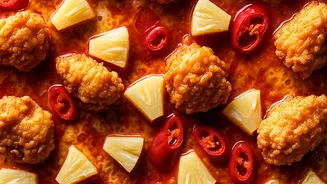
The proof of this revolution is on the menu. Quick-service restaurant (QSR) chains and fine-dining establishments alike are embracing these innovations. You might find a plant-based 'Un-Mutton' Keema Pav at a local cafe, or a pizza topped with plant-based 'chicken' from a major brand. Companies like Shaka Harry have partnered with restaurant chains to bring their products to a wider audience. It's a strategic move for restaurants, allowing them to expand their menu, appeal to a broader customer base, and signal that they are modern and conscious. These partnerships give startups crucial visibility and allow diners to try these new products without committing to a full grocery pack.
The Road Ahead: Taste and Price
Despite the momentum, challenges remain. The first hurdle is taste and texture. While technology has come a long way, winning over die-hard meat lovers requires near-perfect replication, a goal that companies are constantly refining. The second, and perhaps bigger, challenge is price. Currently, many plant-based meat products are more expensive than their conventional counterparts due to the costs of research, development, and scaling production. For these alternatives to become mainstream, they must achieve price parity with animal meat. As production scales up and technology improves, costs are expected to fall, but it remains a key barrier to mass adoption in a price-sensitive market like India.