





Why Pets Overheat So Easily
Unlike humans who sweat to cool down, dogs and cats have very few sweat glands, mostly on their paw pads. Their main cooling method is panting, which circulates air to evaporate moisture from their lungs. This system is far less efficient, especially
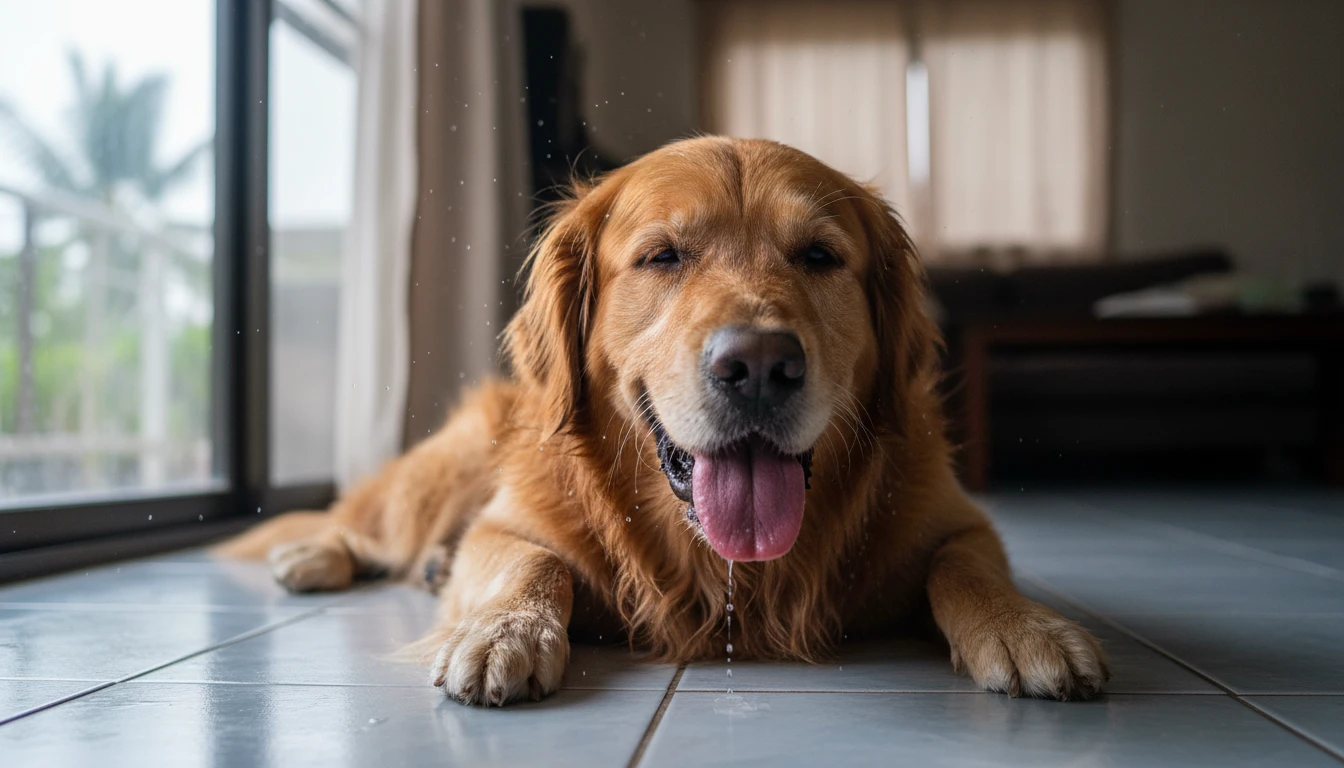
in the high humidity common in many parts of India, which slows evaporation and makes it harder for them to regulate their body temperature. A pet’s normal temperature is around 101-102.5°F; a rise to just 104°F can signal the start of organ damage, making heatstroke a serious risk. Breeds with flat faces, like Pugs and Persian cats, as well as elderly, overweight, or double-coated pets are at an even higher risk.
Designing the Perfect Cool Zone
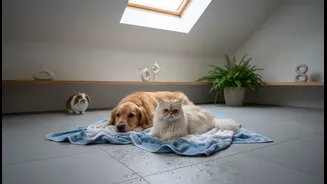
A cool zone is more than just a shady spot. It's a designated area equipped to help your pet manage their body heat. The ideal location is on a lower floor or in a room with tiled flooring, as these surfaces stay naturally cooler. Ensure the area is out of direct sunlight by drawing curtains during the hottest parts of the day. Good air circulation is key, so use a fan or cooler, but avoid pointing it directly at your pet; instead, aim it to circulate air around the room. You can enhance the effect by placing a bowl of ice in front of the fan. Most importantly, the zone must have a large, heavy bowl of fresh, cool water that can't be easily tipped over.
Cooling Strategies for Dogs
For dogs, a cool zone can include a pressure-activated cooling mat, which absorbs body heat without needing electricity or refrigeration. If you don't have one, a simple damp towel placed on the floor works well. Never shave a double-coated dog, as their fur acts as insulation against the heat; daily brushing to remove loose undercoat is more effective. Limit walks to the early morning or late evening. A good rule of thumb is the seven-second test: if the pavement is too hot for the back of your hand for seven seconds, it's too hot for your dog's paws. For a fun and hydrating treat, offer frozen broth ice cubes or a frozen Kong toy.
Comfort for Cats and Small Animals
Cats are masters at finding cool spots but often hide their discomfort until they are seriously overheated. Encourage hydration by placing multiple water bowls throughout the house, and consider a pet water fountain, as many cats prefer running water. You can wipe them down with a damp cloth, focusing on their paws and belly. For smaller pets like rabbits, guinea pigs, or hamsters, heat is even more dangerous. Rabbits regulate heat through their ears, so gently misting their ears with cool water can provide relief. Place a ceramic tile, which you can pre-chill in the freezer, inside their enclosure for them to lie on. A frozen water bottle wrapped securely in a towel and placed in their hutch also acts as a safe, personal cooler they can lean against.
Recognising the Signs of Heatstroke
Even with precautions, it's crucial to know the warning signs of heatstroke. This is a medical emergency that requires immediate veterinary attention. Key symptoms across all pets include excessive panting, thick drool, bright red or pale gums, lethargy, and weakness. In more severe cases, you might see vomiting, stumbling, lack of coordination, or even collapse and seizures. If you suspect heatstroke, move your pet to a cool area immediately. You can apply cool (not ice-cold) water to their body, especially on their paws and belly, while you arrange transport to the nearest vet. Never use ice or very cold water, as this can cause shock and constrict blood vessels, trapping heat inside the body.