






The Concrete Jungle's Fever
Anyone who has walked barefoot on a dark pavement on a sunny day knows that some surfaces get hotter than others. Now, scale that up to the size of a city. This is the essence of the 'Urban Heat Island' (UHI) effect, a phenomenon where metropolitan areas
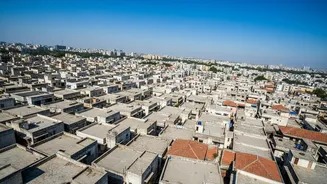
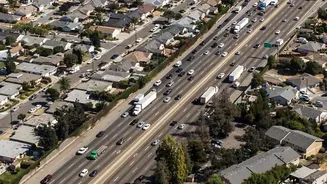
are significantly warmer than their surrounding rural landscapes. Research shows that the dense concentration of concrete buildings, asphalt roads, and other man-made materials absorb and retain solar radiation far more than natural landscapes do. In India, where rapid urbanisation is replacing green spaces with built-up areas, this effect is becoming dangerously pronounced. Studies across major Indian cities like Delhi, Bengaluru, and Hyderabad show a clear link between urban expansion and rising temperatures, often several degrees higher than in nearby non-urban areas. This isn't just a matter of extra sweating; it amplifies the severity and health risks of heatwaves, which are themselves becoming more frequent and intense due to climate change.
Science Maps the Hotspots
The first step in solving a problem is understanding it. Modern urban heat research uses a combination of satellite data, ground sensors, and advanced computer modelling to create detailed maps of a city's thermal landscape. This allows scientists and planners to pinpoint exactly which neighbourhoods are the hottest and why. These studies consistently reveal that areas with less tree cover, dense construction, and dark, non-reflective surfaces are the most vulnerable. For instance, a study of Bengaluru, once known as the 'Garden City', tracked how the loss of vegetation to urban development corresponded with a rise in surface temperatures. A fascinating finding from multi-city studies is that the heat island effect in India is often most noticeable at night. While rural areas cool down after sunset, the heat absorbed by urban infrastructure during the day is slowly released, keeping cities warmer for longer and preventing residents from getting crucial overnight relief from the heat.
A Toolkit for a Cooler City
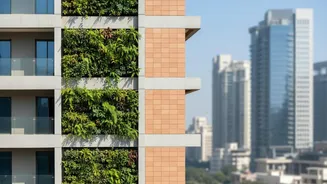
The good news is that this research doesn't just diagnose the problem; it points directly to the solutions. By understanding the physics of urban heat, we can engineer our cities to be cooler. This field of study has produced a powerful toolkit of strategies. One of the most effective and widely discussed is the use of 'cool surfaces'. Painting roofs white or using light-coloured, reflective materials for pavements can dramatically lower surface temperatures—in some cases by over 7°C—and reduce indoor temperatures, cutting down the need for energy-guzzling air conditioning. Another key strategy is expanding green infrastructure. Trees are nature's air conditioners, providing shade that can reduce surface temperatures by as much as 25°C and cooling the air through a process called evapotranspiration. Urban forests, green roofs, and interconnected green corridors can significantly lower a neighbourhood's overall temperature. Even 'blue infrastructure' like fountains and ponds can provide localised cooling relief.
Putting Research into Action
In India, the conversation is shifting from simply acknowledging the problem to actively planning solutions. Several cities have developed Heat Action Plans (HAPs) to prepare for extreme heat events. Initially, many of these plans focused on short-term emergency responses like public awareness campaigns and setting up drinking water kiosks. While essential for saving lives during a heatwave, researchers and policymakers increasingly recognise the need for long-term mitigation. This means integrating urban cooling strategies directly into city planning. The challenge is moving from pilot projects to city-wide implementation. It requires updating building codes to promote cool roofs and better ventilation, investing in large-scale tree planting initiatives, and redesigning public spaces to maximise shade and greenery. It represents a fundamental shift towards building cities that work with nature, not against it, to ensure they remain liveable in a warming world.