



Different Thirst Levels
The golden rule of arranging plants in a single container is that they must share similar needs for light, water, and soil. This is where the first problem arises. Many popular herbs, especially woody, Mediterranean ones like rosemary, thyme, and oregano,
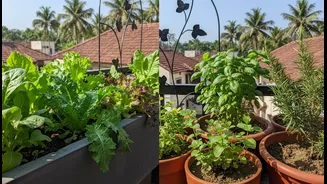
are naturally drought-tolerant. They thrive when their soil dries out a bit between waterings, and overwatering can harm them. In contrast, leafy greens like spinach (palak), lettuce, and amaranth are thirsty. Vegetables can be composed of up to 90% water and require consistent moisture to produce tender, crisp leaves. Lettuce, for instance, may need watering almost daily in warm weather to prevent it from becoming bitter. When you plant these two groups in the same pot, you create a watering dilemma. Either the herbs are perpetually waterlogged, risking root rot, or the leafy greens are constantly stressed from thirst, leading to stunted growth.
A Battle for Food and Soil
Leafy greens are often categorised as 'heavy feeders'. They grow quickly and require a lot of nutrients, particularly nitrogen, to produce lush foliage. If you plant them with less demanding herbs, they can quickly deplete the soil of available food, leaving their neighbours to struggle. Herbs and vegetables also have different preferences for soil. While you should always use a potting mix rather than garden soil for containers, the ideal composition varies. Leafy herbs and greens do best in a rich, moisture-retentive mix. Many woody herbs, however, prefer a lighter, well-draining, almost gritty soil that mimics their native Mediterranean conditions. Putting them together means one plant will always be in a less-than-ideal environment, compromising its health and vitality.
The Fight for Sun and Space
Balcony space is precious, and so is sunlight. This is another area where herbs and greens can clash. Many leafy greens, like spinach and lettuce, grow broad leaves that can easily overshadow smaller, slower-growing herbs planted nearby. This 'swamping' effect blocks sunlight, which is vital for photosynthesis and herb growth. Below the surface, a similar battle is waged by the roots. Vigorous, fast-growing greens can quickly colonize the limited space in a container, crowding out the root systems of more delicate herbs. This competition for space, nutrients, and water means one plant will inevitably dominate, while the other fails to thrive. Giving each plant adequate room to grow without direct competition is crucial for a healthy container garden.
Pests and Other Problems
Companion planting is often used to deter pests, with the aromatic oils in many herbs acting as a natural repellent. However, planting a susceptible vegetable right next to a repellent herb isn't a magical forcefield. Sometimes, it can simply concentrate pests in one area. If aphids, for example, are attracted to your leafy greens, having them in the same pot as your herbs makes for an easy target. Furthermore, grouping plants with different needs can make the entire container more vulnerable. Poor air circulation from overcrowding can make plants more susceptible to fungal diseases, a common issue in humid conditions. Keeping plants with similar vulnerabilities separate can help prevent a small pest problem from wiping out your entire mixed planter.
The Smart Way to Group Your Plants
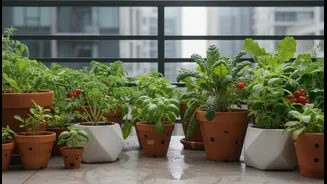
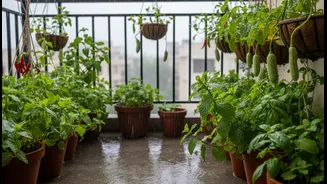
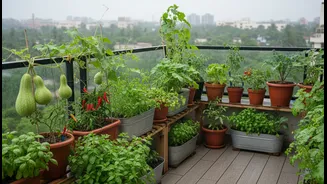
The solution is simple: group plants by their needs. Think in terms of plant families or environments. Keep your water-loving, fast-growing leafy greens like spinach, lettuce, and amaranth together in one large container. They will appreciate the consistent moisture and nutrient-rich soil. Plant your drought-tolerant Mediterranean herbs like rosemary, oregano, and thyme together in a separate pot with grittier, well-draining soil. What about thirsty herbs like mint (pudina), basil (tulsi), and coriander (dhania)? These leafy herbs enjoy more consistent moisture than their woody cousins. Basil, for instance, pairs well with tomatoes, as they share similar water and sun requirements. Aggressive growers like mint are best given their own pot entirely, as their roots can spread rapidly and take over any shared space.